





 Spotlight


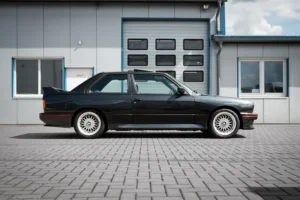
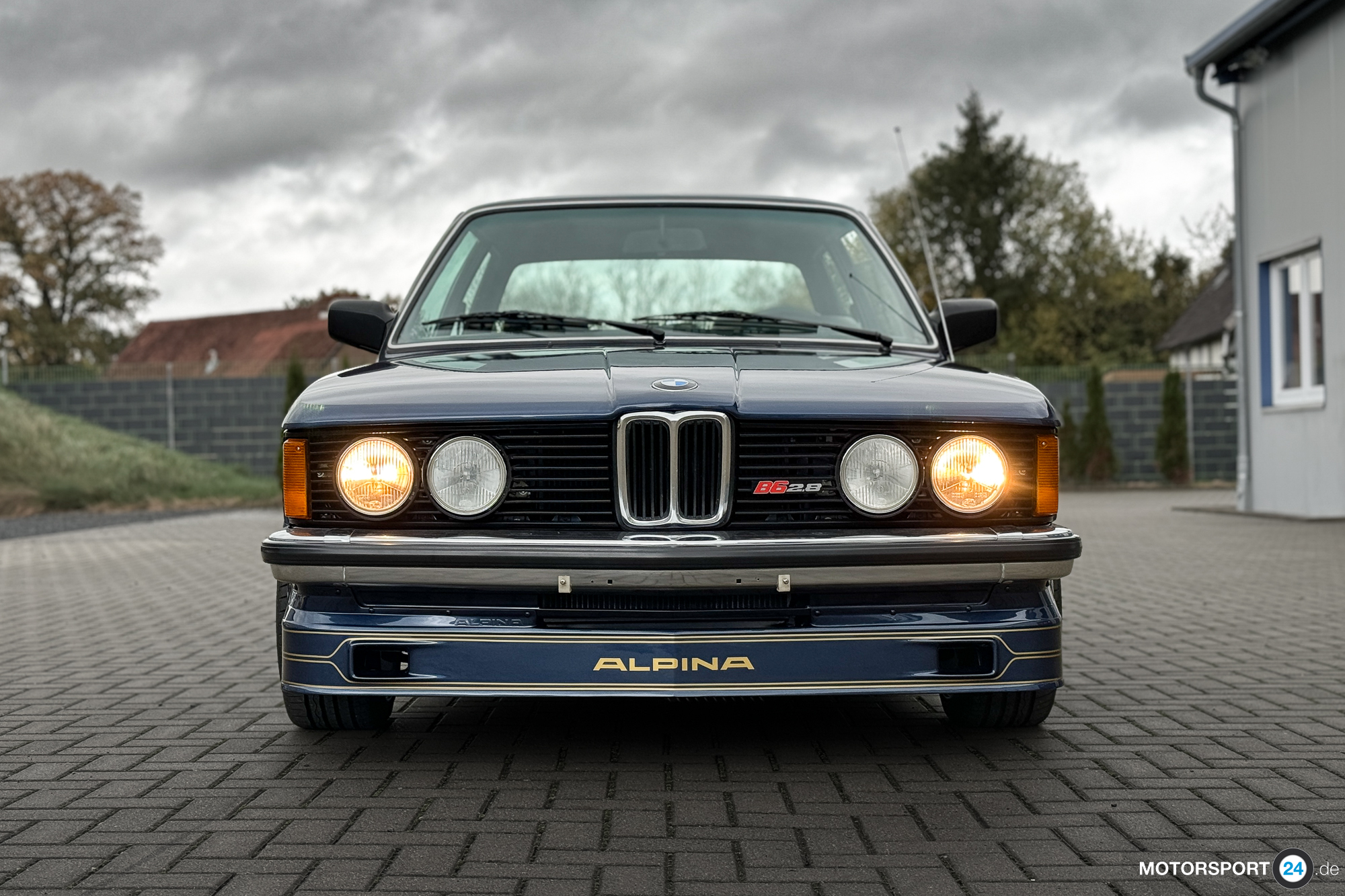
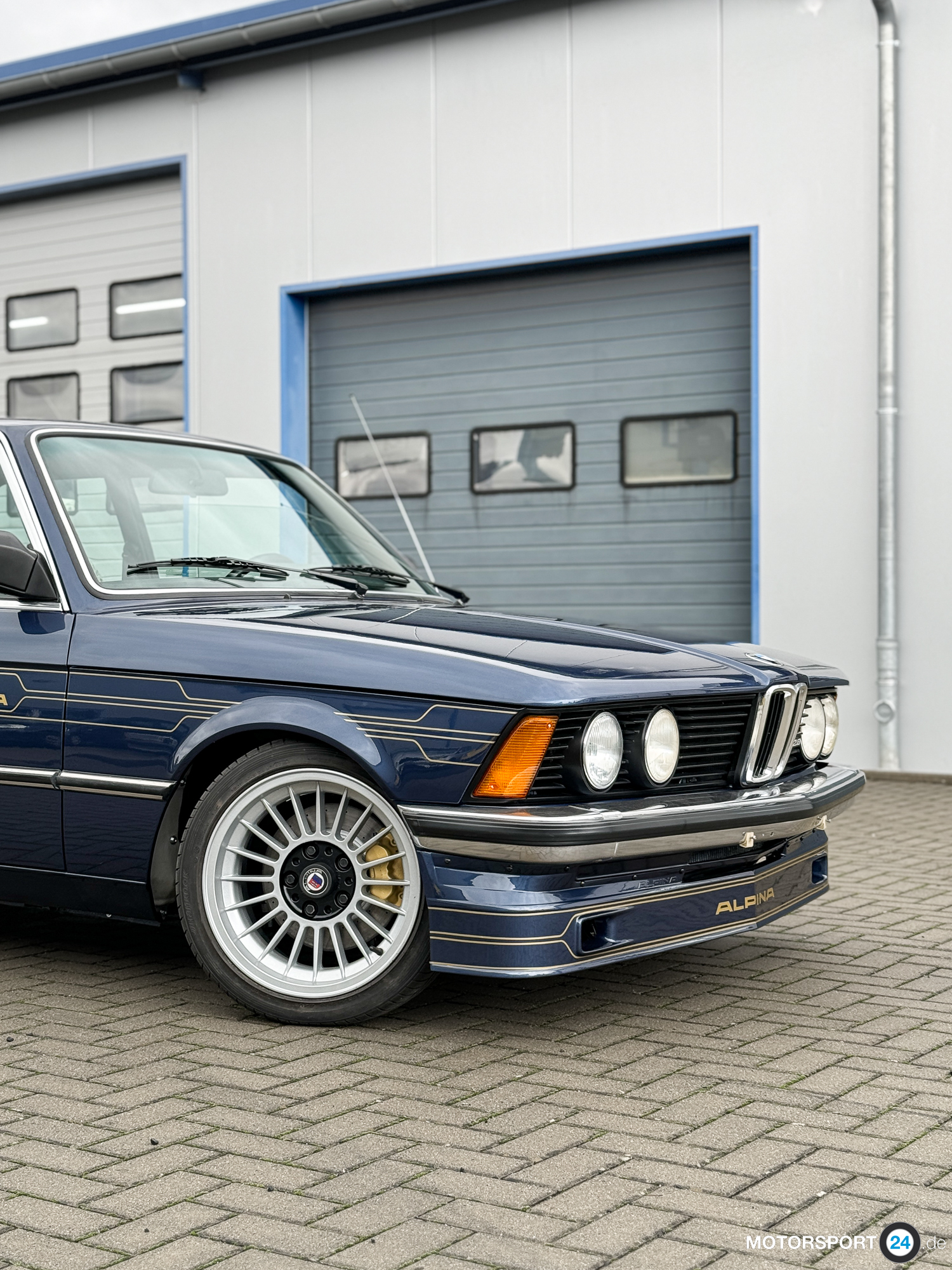
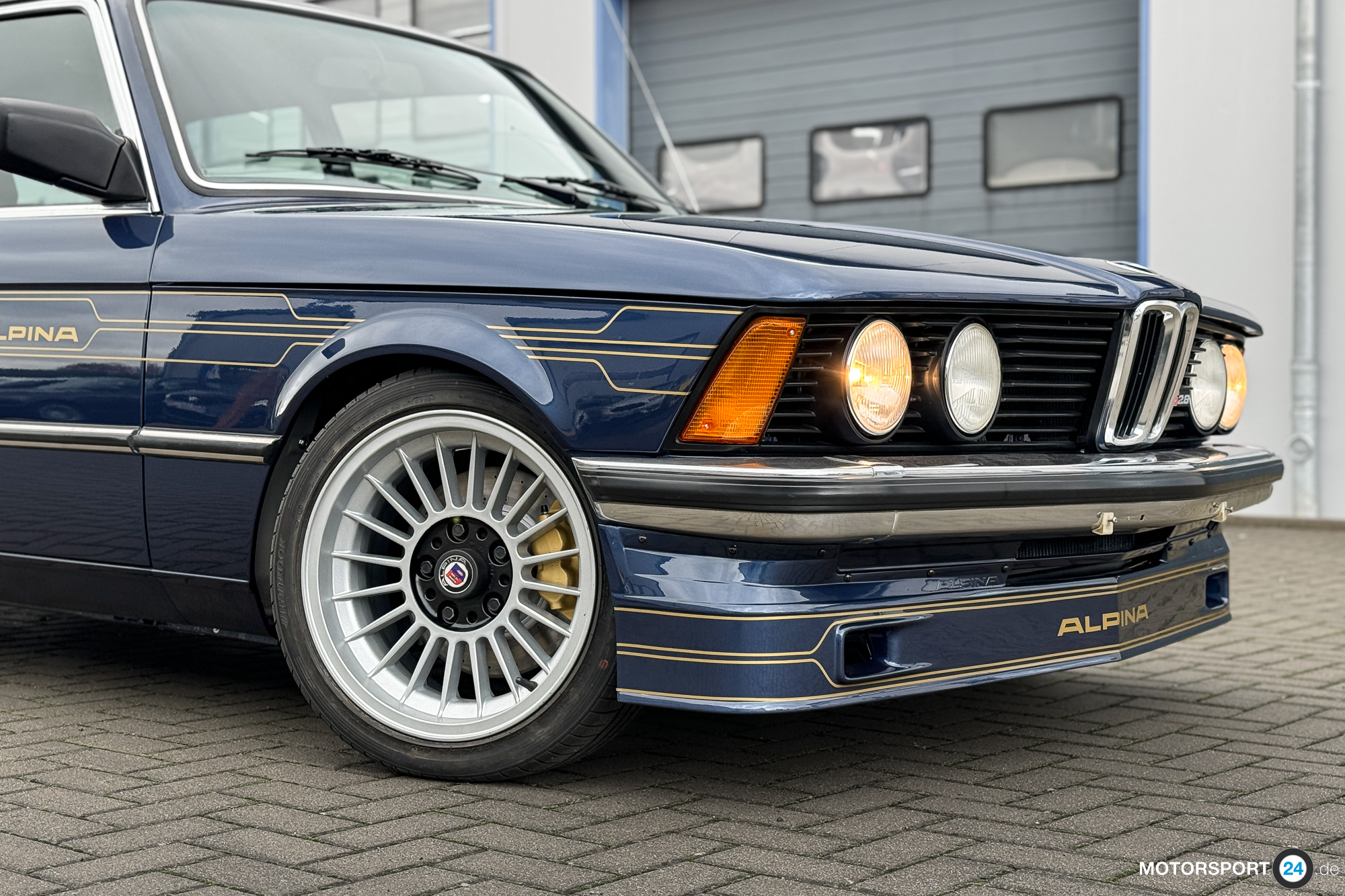
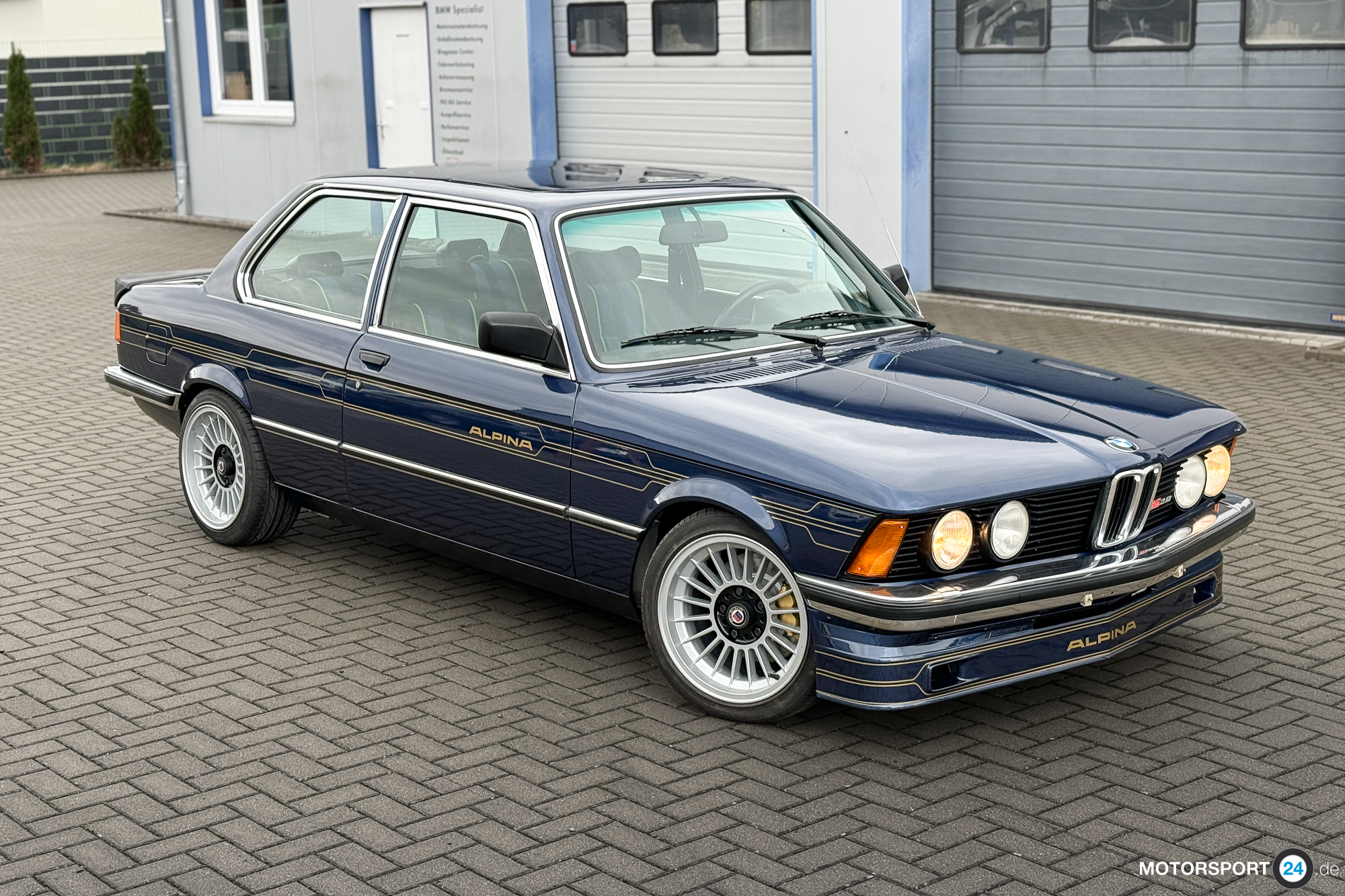
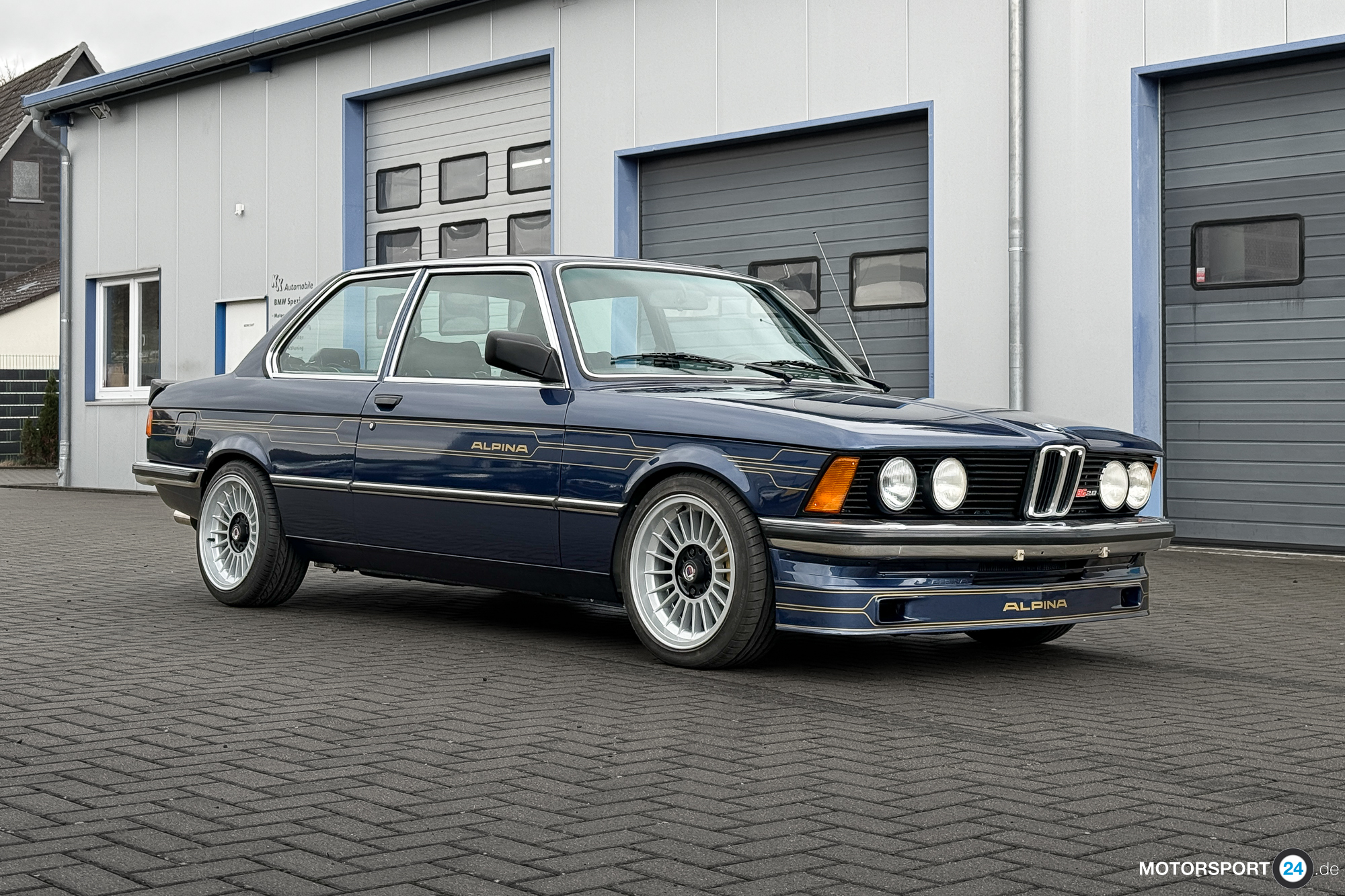
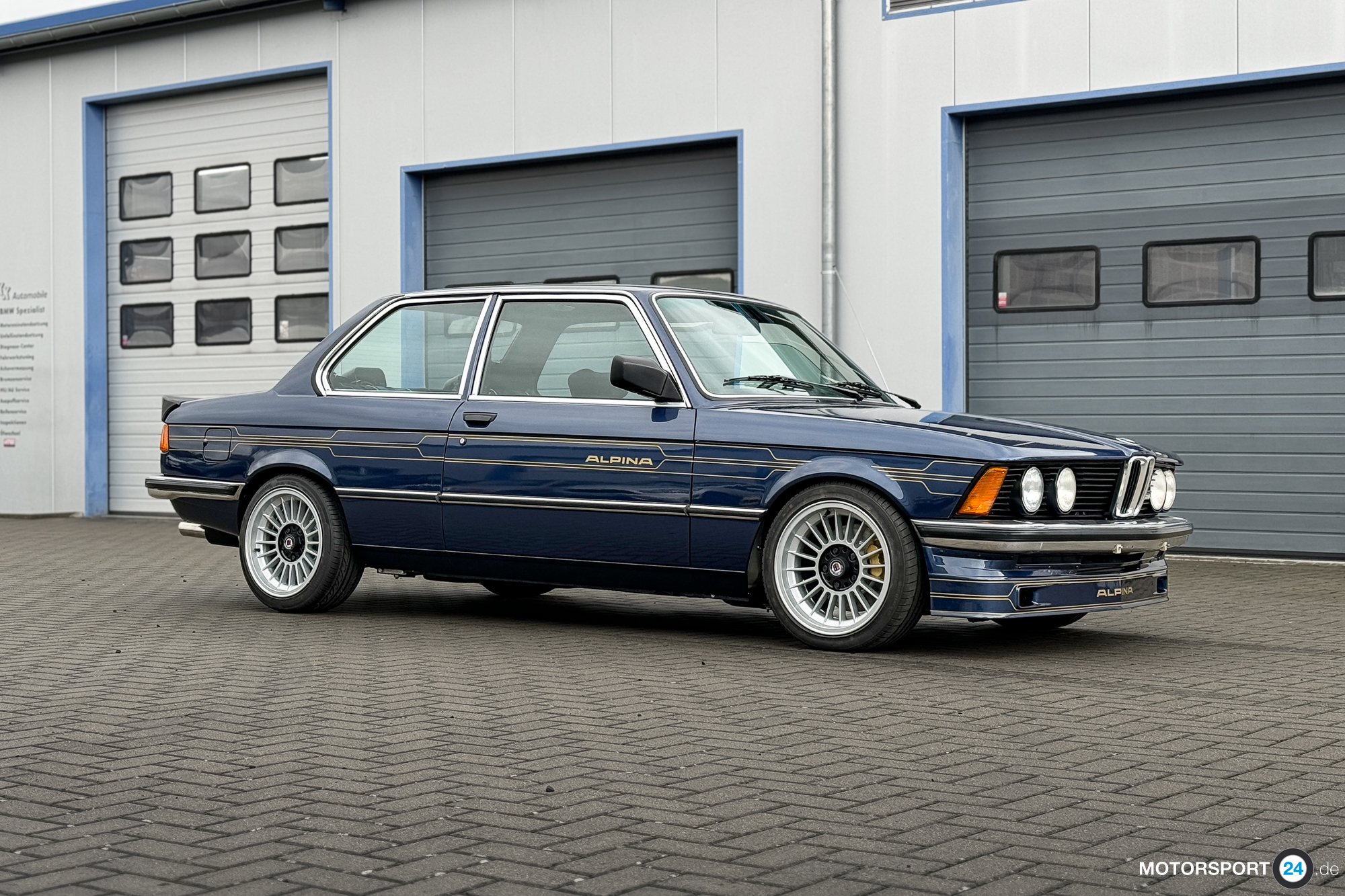
When the first 3 Series appeared in 1975, BMW had no answer to a simple question: where was the sports version? The answer came in 1978 — but not from Munich, from Buchloe. The Alpina B6 2.8 planted the 2.8-litre six-cylinder from the 528i into the narrow E21 body, making it the first 3 Series with 200 PS. The car in these pictures tells that story in a special way: it is a rebuild following the B6 template, put together by our author Sven — with original parts, but without any claim to be an original.
What Buchloe built in 1978
To understand why this car is so special, you have to go to the Allgäu. Burkard Bovensiepen had been developing Alpina since 1965 from a family business in Buchloe into a tuner with a racing pedigree — carburettor systems for the Neue Klasse at first, later success in the European Touring Car Championship. The decisive step came in January 1978: Alpina was recognised as an independent car manufacturer. The tuner that modified finished BMWs became a manufacturer with its own chassis numbers, its own type approval, its own responsibility. [1]
The B6 2.8 belonged to the first model generation of this new era. The base was supplied by the 323i — the range-topping model of the series at the time with 143 PS —, while the drivetrain came from the large M30 six-cylinder out of the 528i. From March 1978, Buchloe thus produced the fastest 3 Series of its time: initially with 200 PS, from August 1981 with 218 PS. By January 1983, according to the Alpina Archive Register, 533 examples had left the factory — a small series in the true sense, each car built individually. [1]

The engine conversion in detail
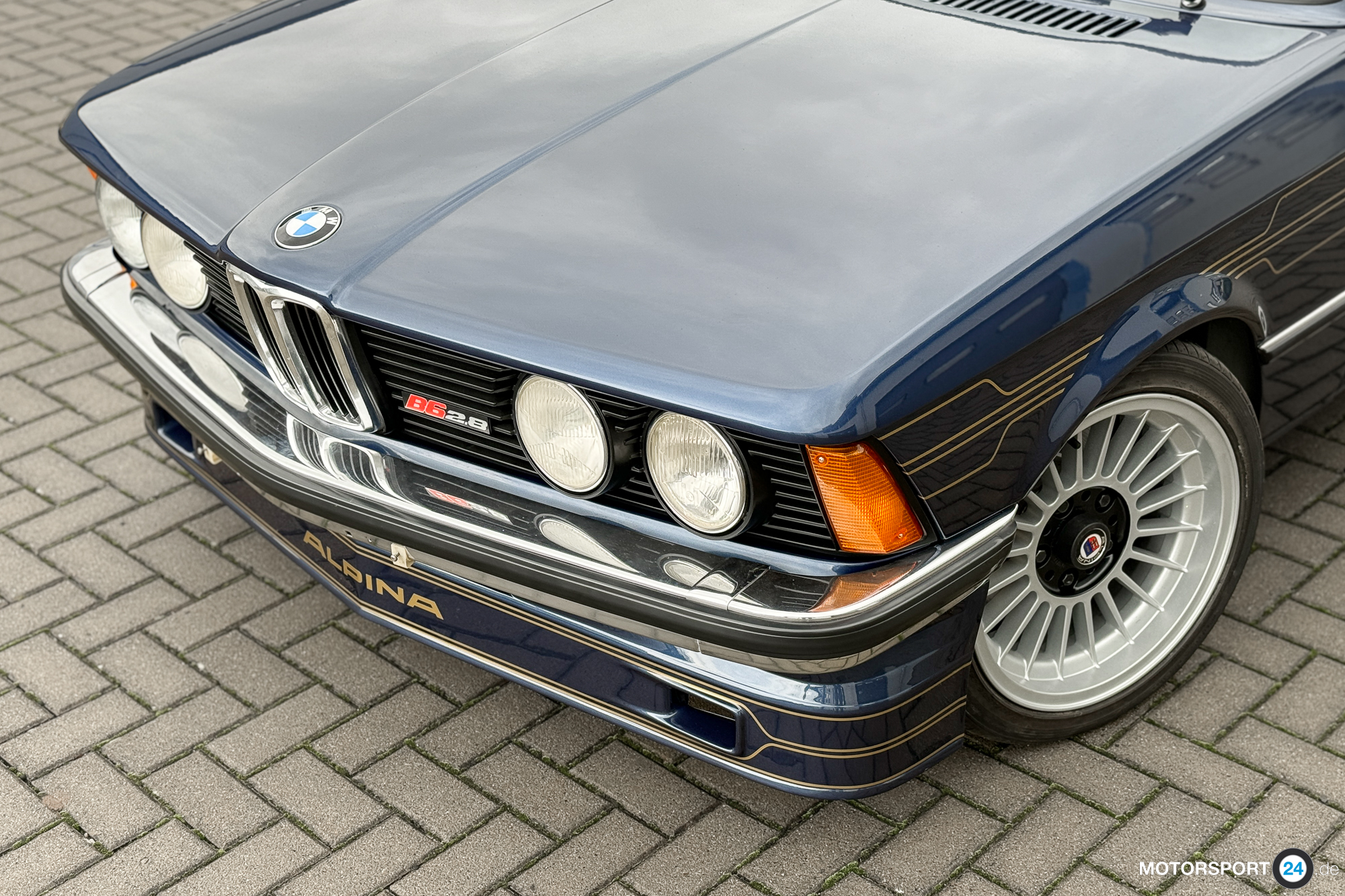
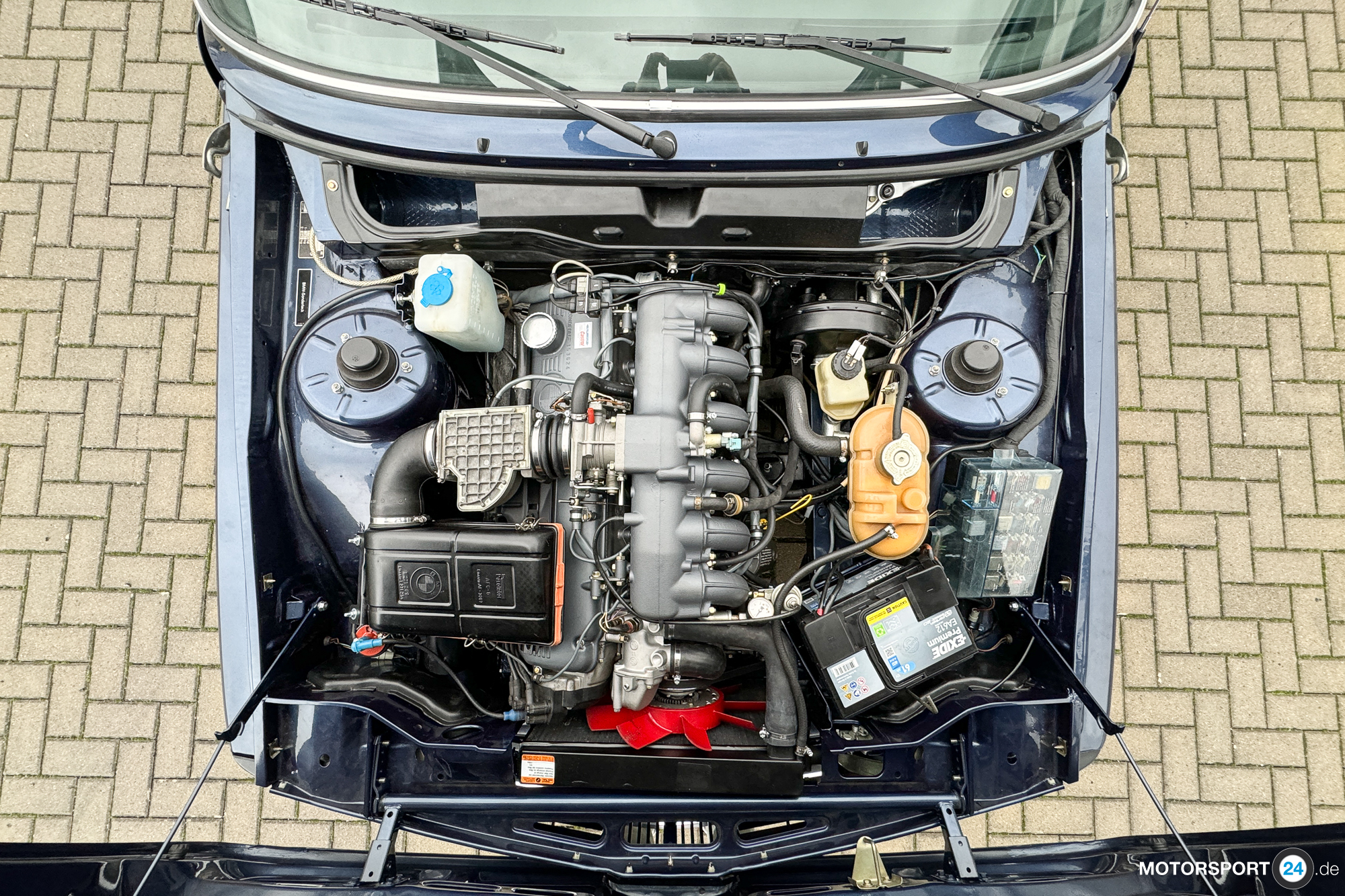
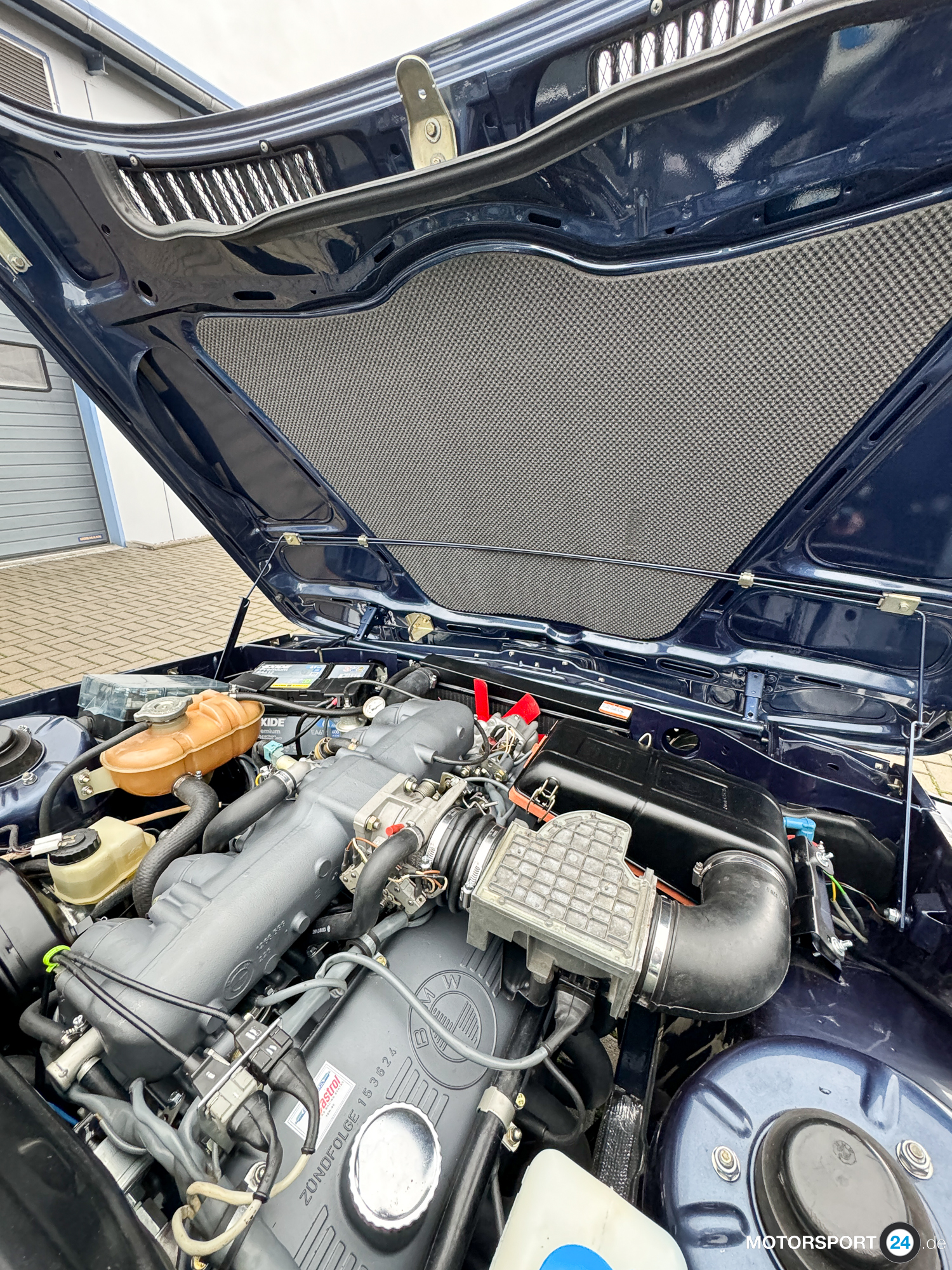
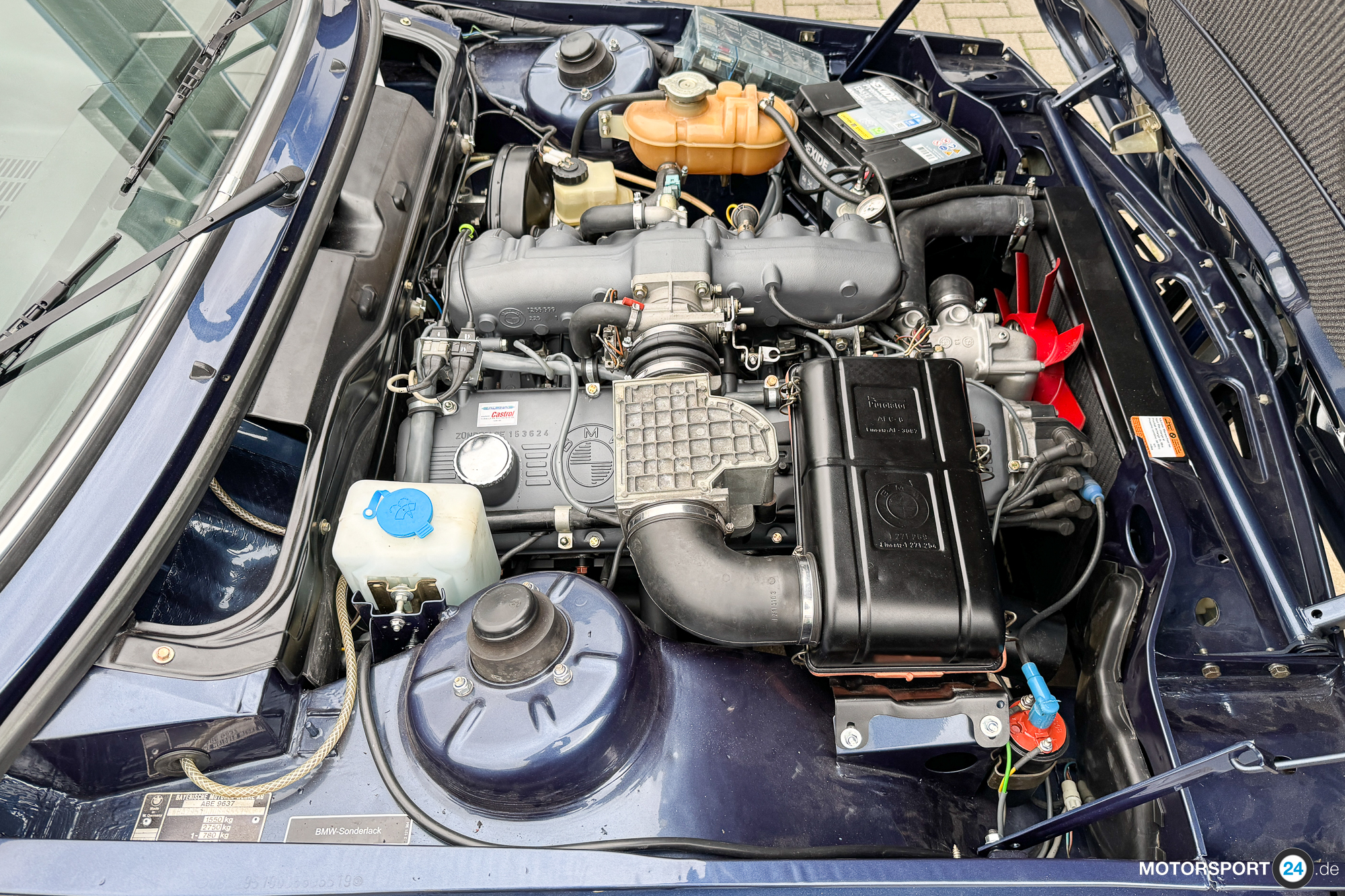
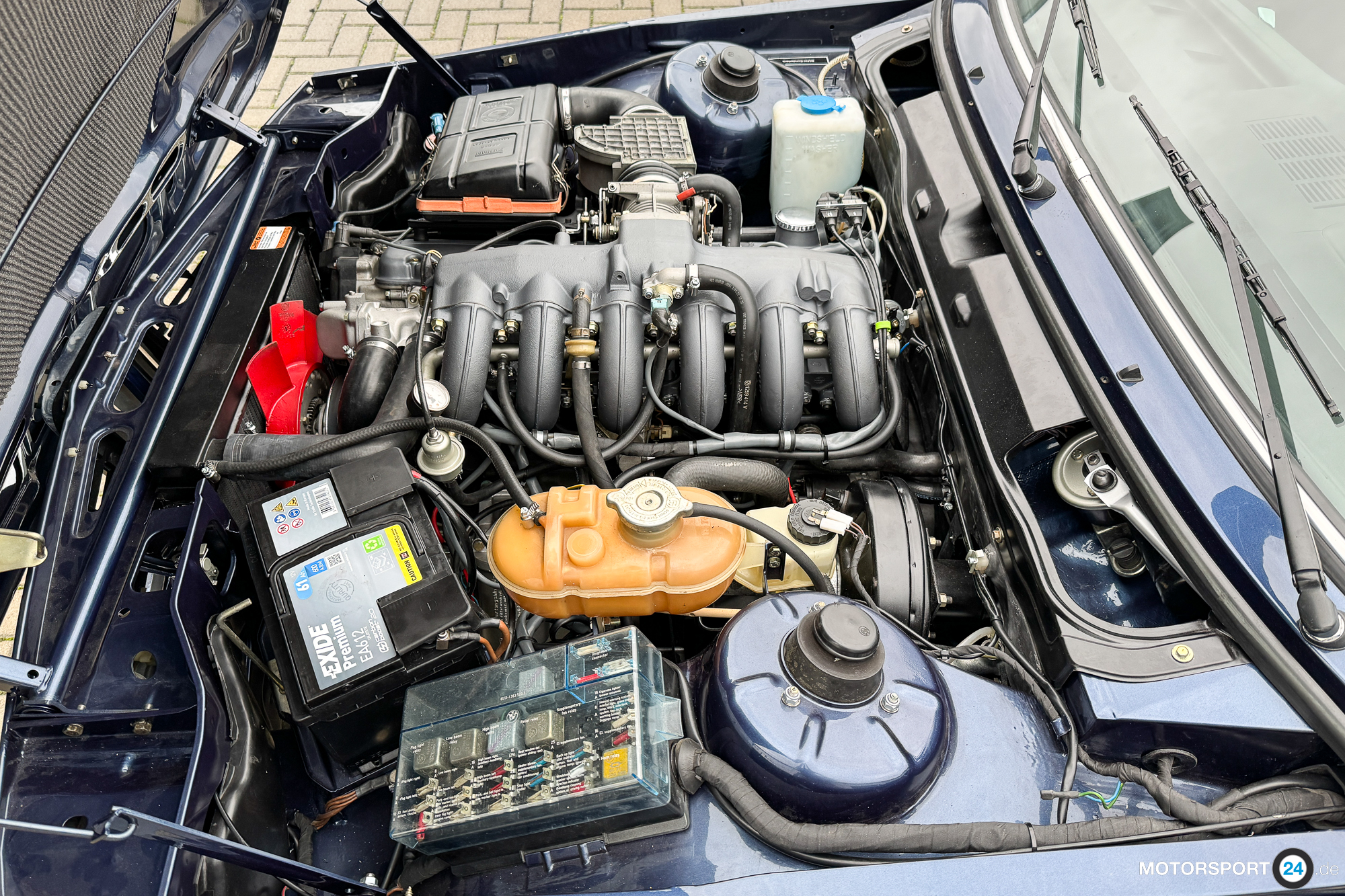
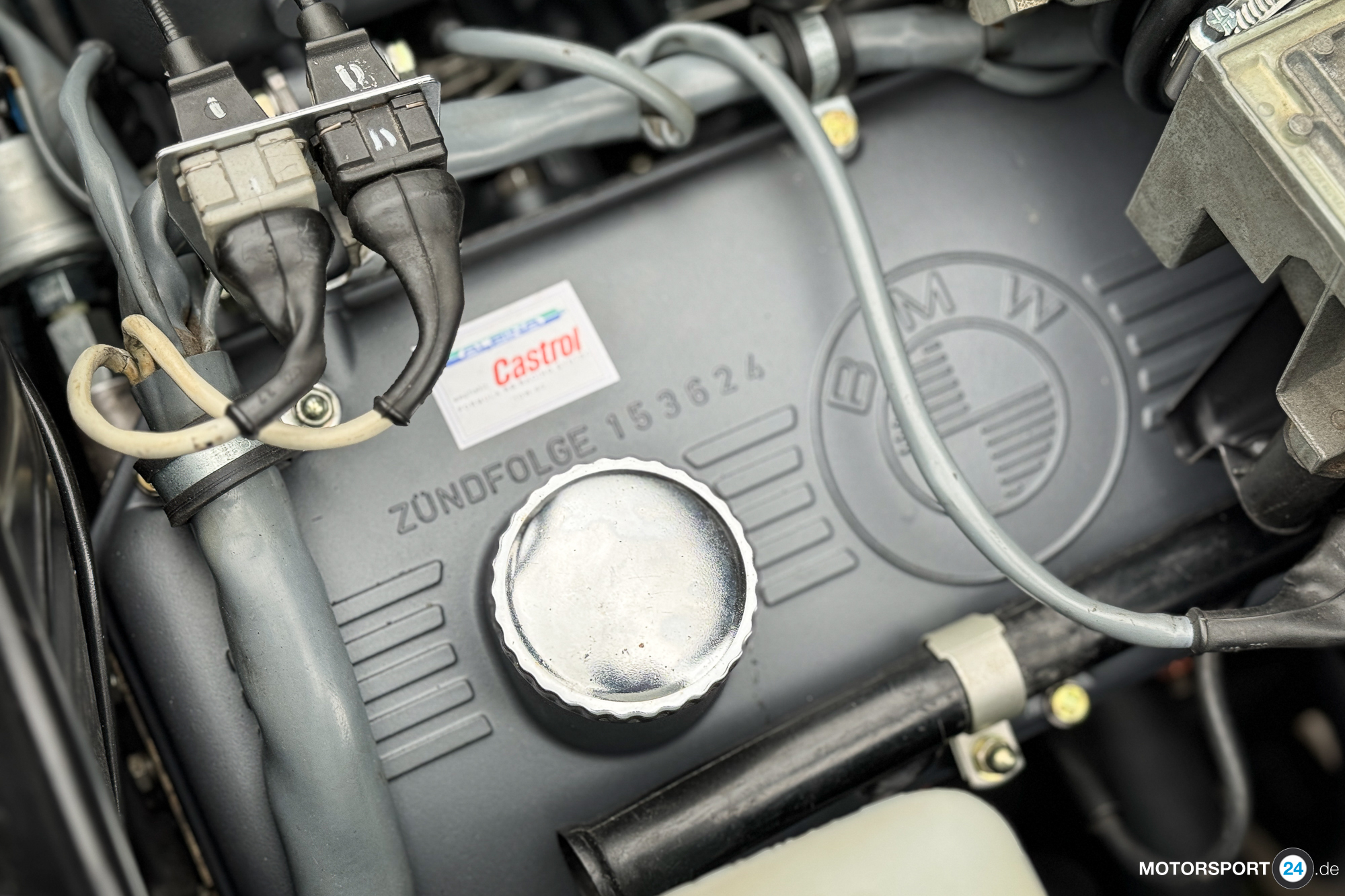
A 528i engine in a 3 Series — that sounds like a simple swap, but it was painstaking work. Alpina dismantled the M30B28 (2,788 cm³) and rebuilt it with Mahle forged pistons, reworked combustion chambers and increased compression. Instead of the 528i’s standard injection, a mechanical Zenith-Pierburg DL system with six individual intake runners was used — to this day one of the most important authenticity features of a B6 2.8, since no series-production BMW carried this system. [1][2]
The result: 200 PS at 5,500/min in the first version, 218 PS from August 1981. Sources diverge on torque: databases list 248 Nm for the 200 PS version, 265 Nm at 4,500/min for the 218 PS version — Alpina-related registers differ in the details. We name such discrepancies rather than smoothing them over. [2][4]


Handling: the fastest 3 Series of its time
What the conversion achieved was measured by the trade press: auto motor und sport clocked 6.9 seconds from 0 to 100 km/h in a contemporary road test — the factory figure was between 7.2 and 7.5 seconds depending on version, and top speed depending on source between 220 and 225 km/h. This made the B6 2.8 the fastest 3 Series of its era; BMW itself never offered more than the 323i’s 143 PS in the E21. In everyday use, something else counted anyway: the pull of the large six-cylinder, which made the B6 feel more composed than any high-rev theatrics. [3][2]
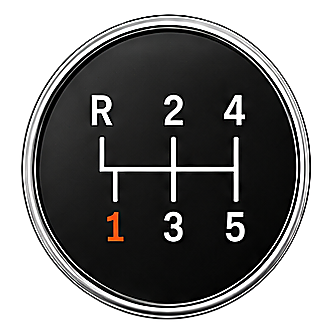
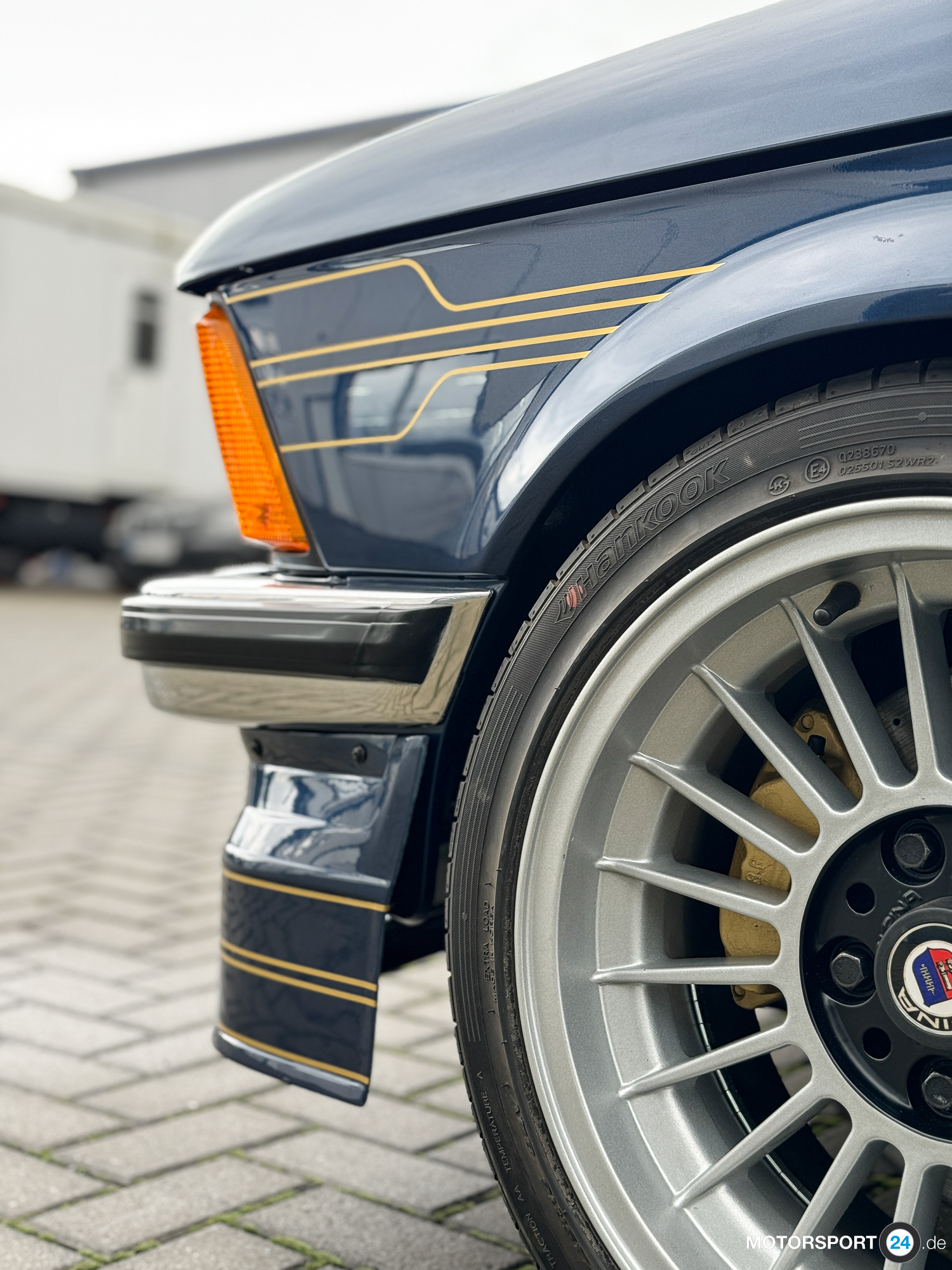
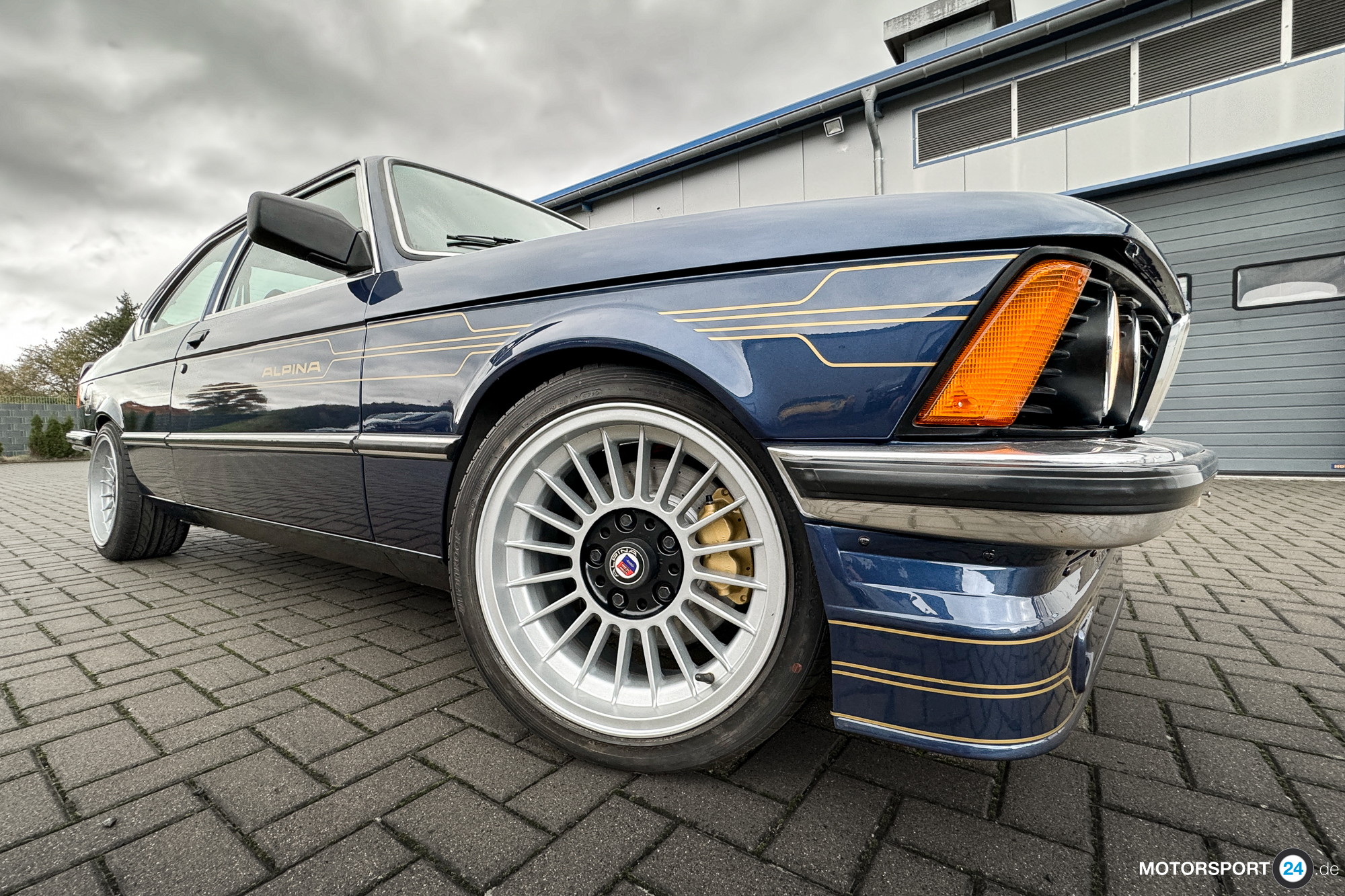
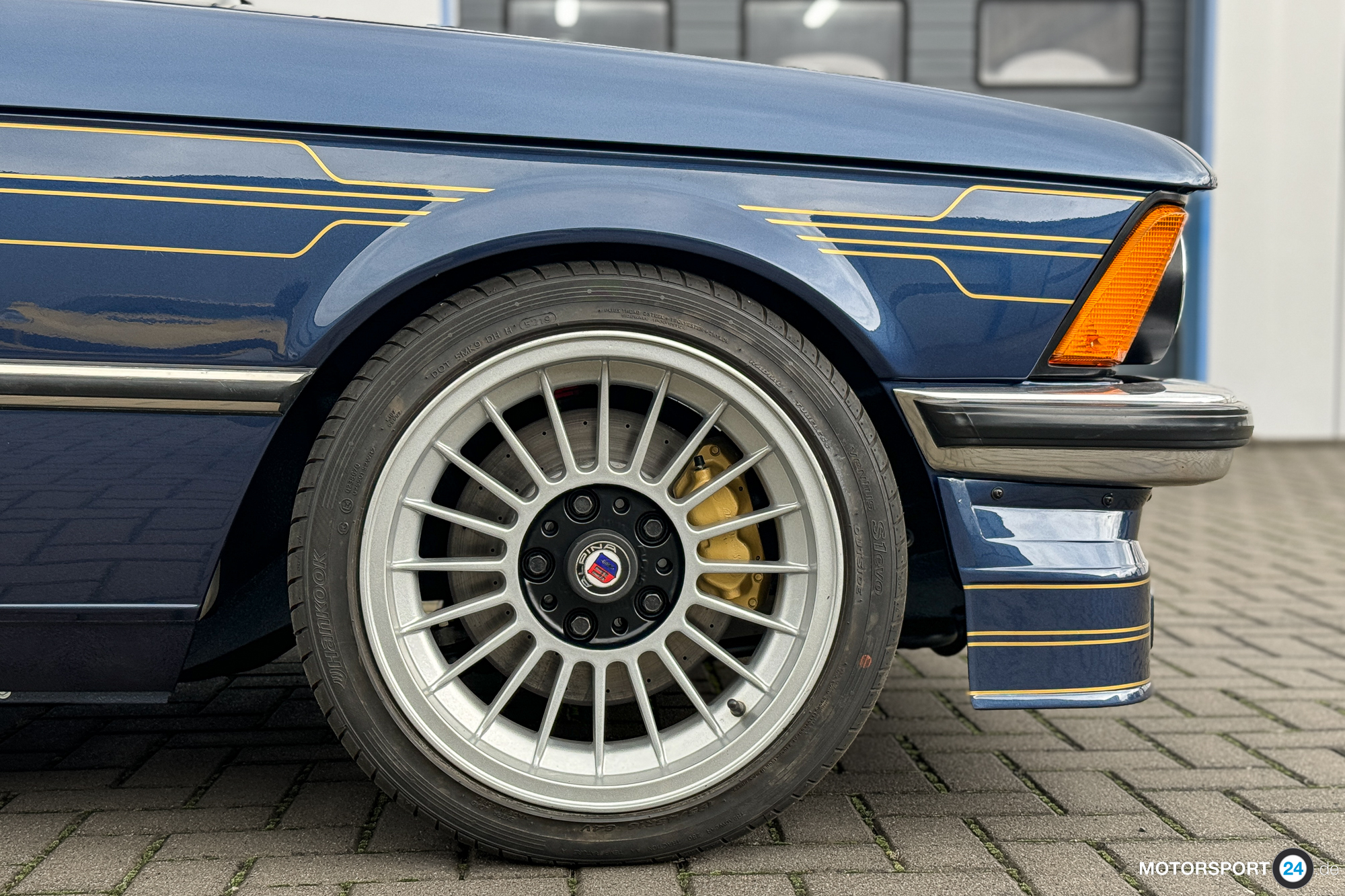
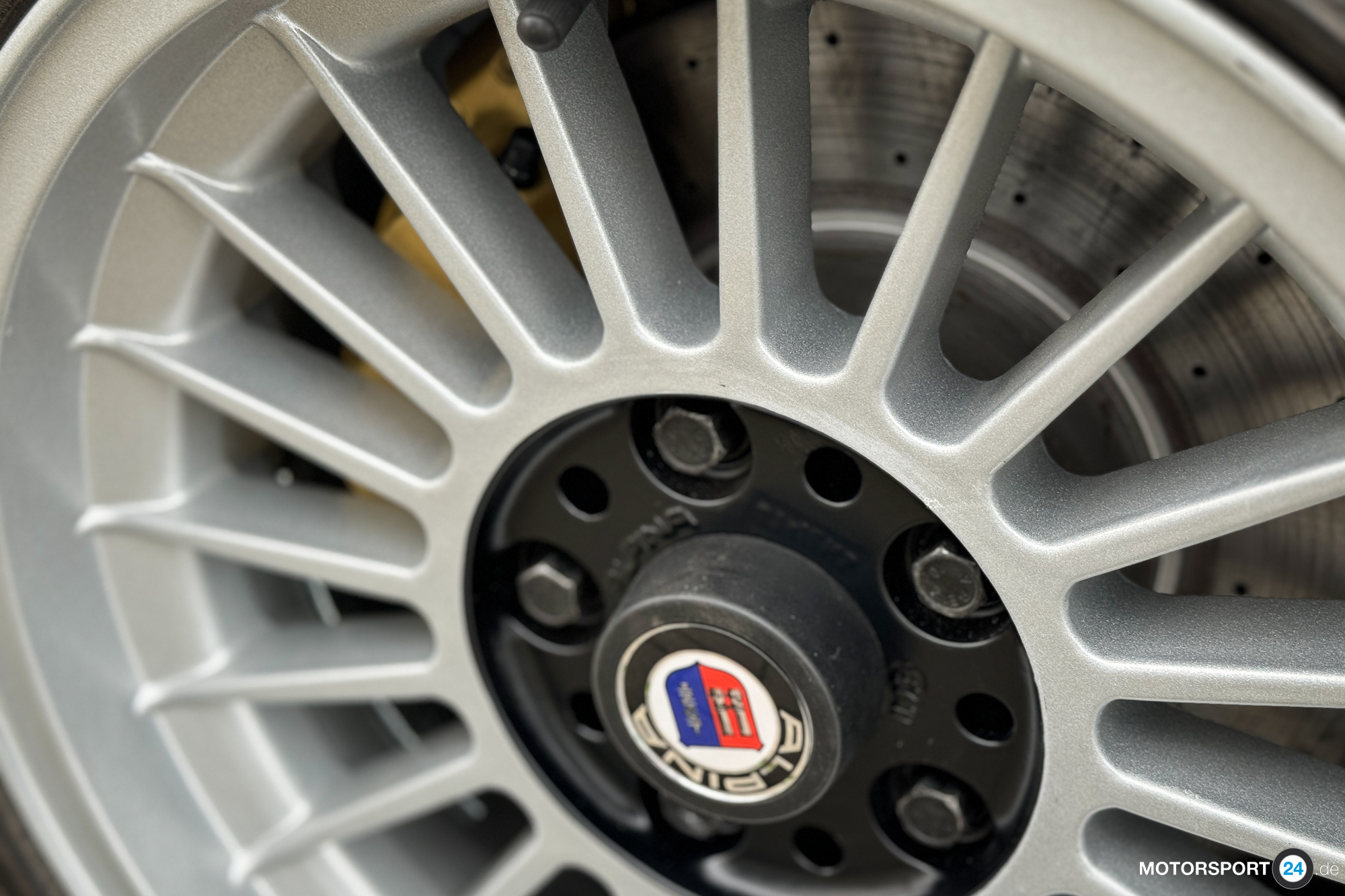
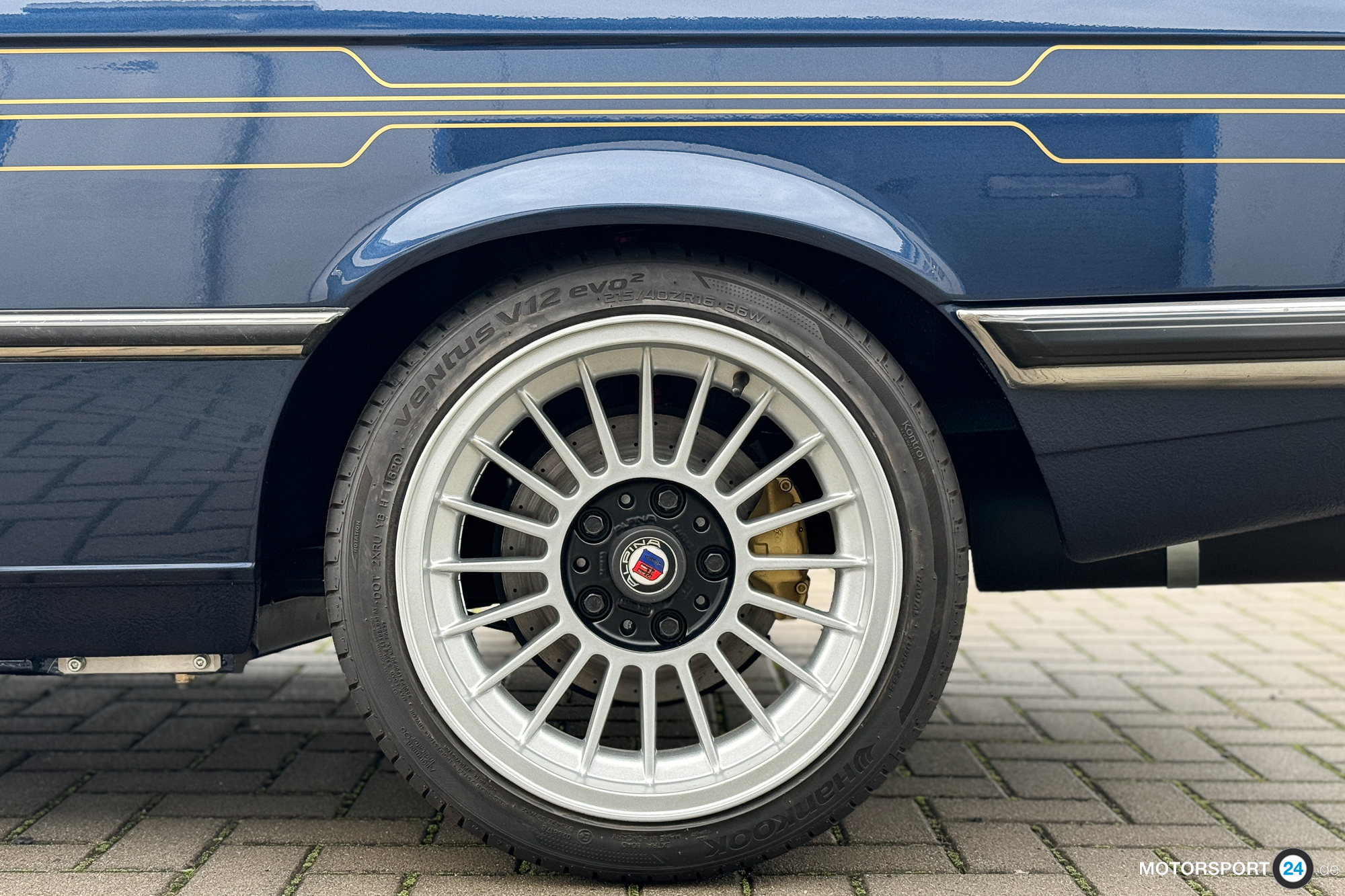
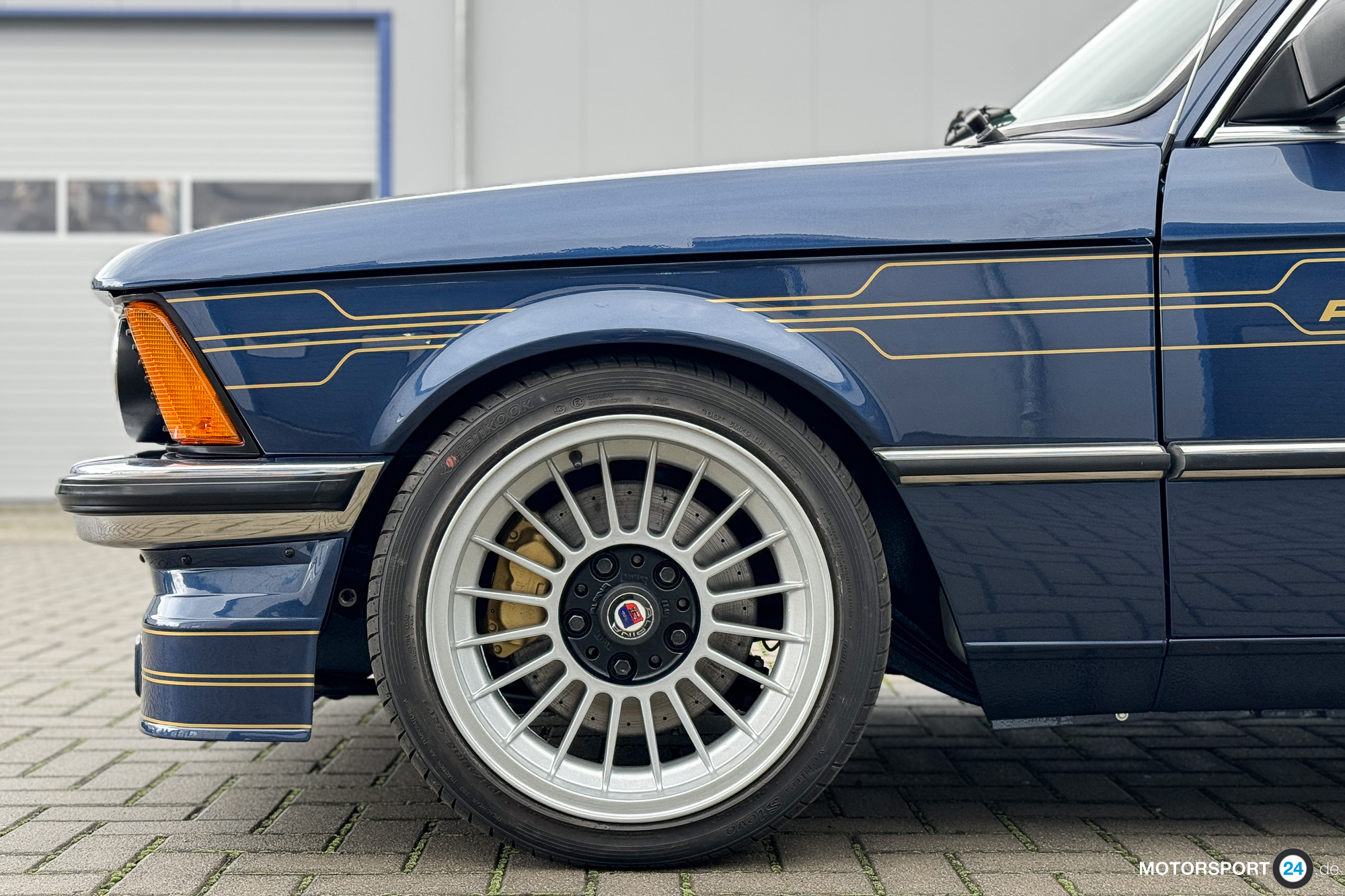
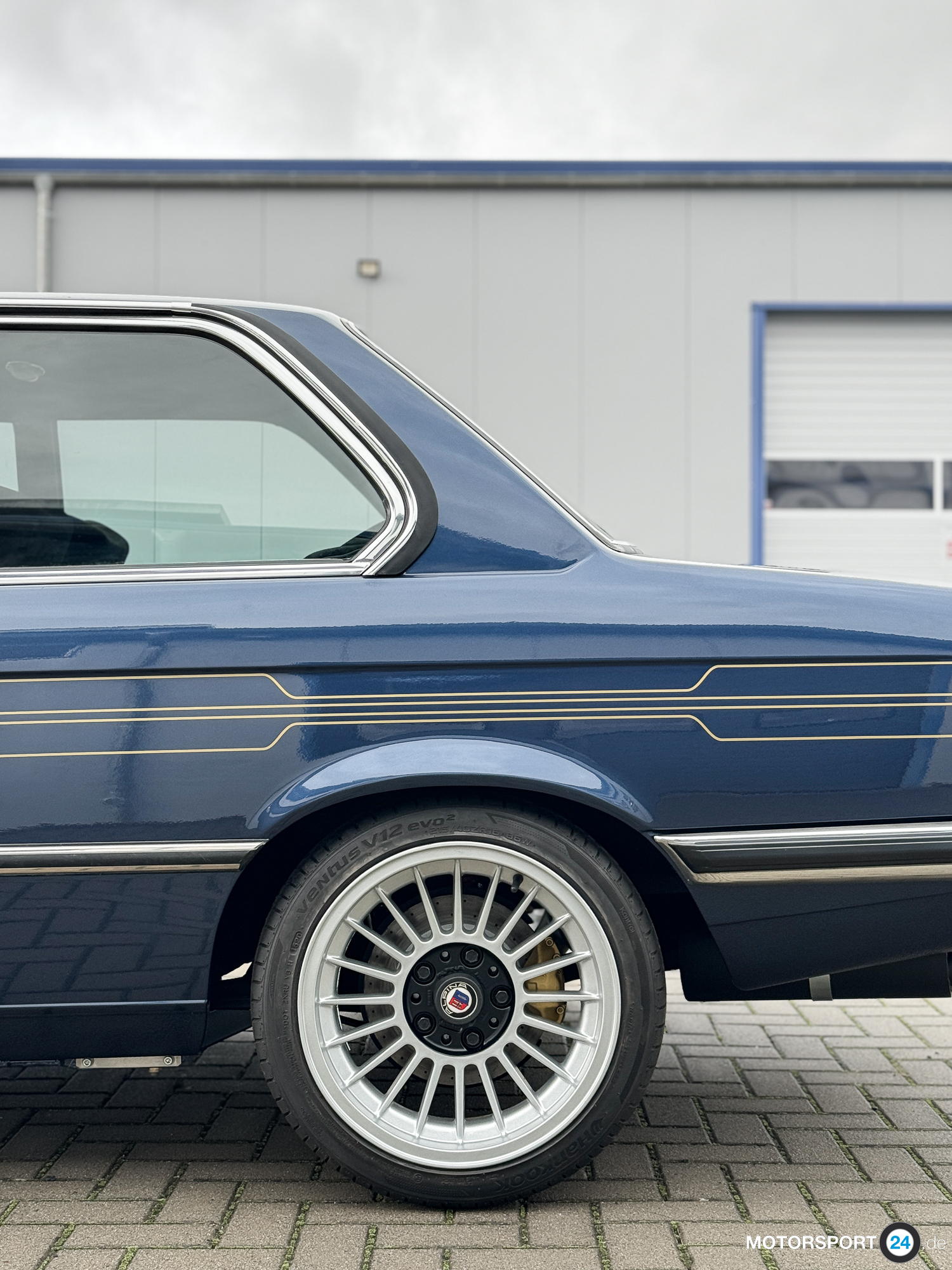
Shifting was via a closer-ratio Getrag five-speed gearbox, where the 323i came standard with four gears. According to database figures, the rear axle ratio was 3.45:1 — this figure is so far only singly sourced, and we flag that. [4] The chassis combined Bilstein dampers with progressive springs, while up front, drilled, internally vented discs provided deceleration. On the road, the B6 rode on 15-inch Alpina wheels — 6J with 195/50 front, 7J with 205/50 rear. The price of this concept: the long M30 put more weight on the front axle than the 323i’s compact six-cylinder — the B6 wanted to be driven like a Gran Turismo, not like a kart. [1][2]

Data sheet — with named contradictions
| Specification | Value | Source |
|---|---|---|
| Production period | March 1978 – January 1983 | Alpina Archive |
| Engine | M30B28, 2,788 cm³, R6, Mahle forged pistons, Zenith-Pierburg DL injection | Alpina Archive |
| Power | 200 PS; from 08/1981: 218 PS | Alpina Archive |
| Torque | 248 Nm (200 PS) / 265 Nm at 4,500/min (218 PS) — sources inconsistent | auto-data / ultimatespecs |
| Gearbox | Getrag five-speed, closer-ratio (323i: standard four-speed) | Alpina Archive |
| Rear axle ratio | 3.45 : 1 — only singly sourced | ultimatespecs |
| Chassis | Bilstein dampers, progressive springs | Alpina Archive |
| Brakes | front drilled, internally vented discs | Alpina Archive |
| Wheels/Tyres | 15 inch: 6J with 195/50 front, 7J with 205/50 rear | Alpina Archive |
| 0–100 km/h | 7.2–7.5 s (factory); 6.9 s in the ams test | Factory / auto motor und sport |
| Top speed | 220–225 km/h — sources inconsistent | auto-data / ams |
| Production numbers | 533 | Alpina Archive Register |
Where registers and databases contradict each other, this is stated explicitly above — we do not smooth over such discrepancies. The complete data with context can be found on our model page for the Alpina B6 2.8.
Interior: the signature from Buchloe
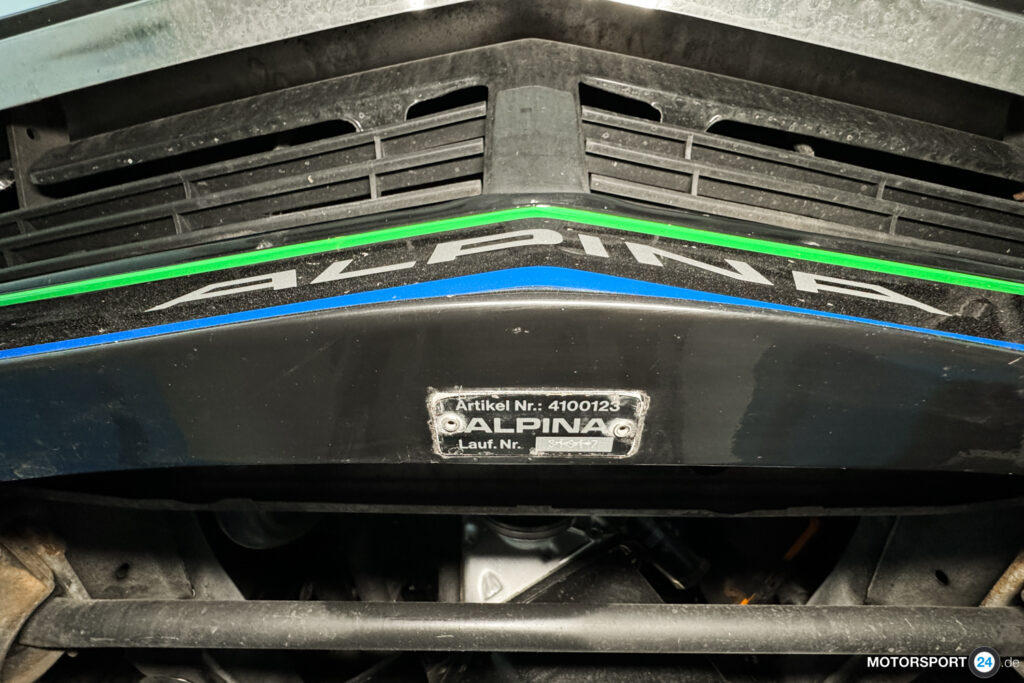
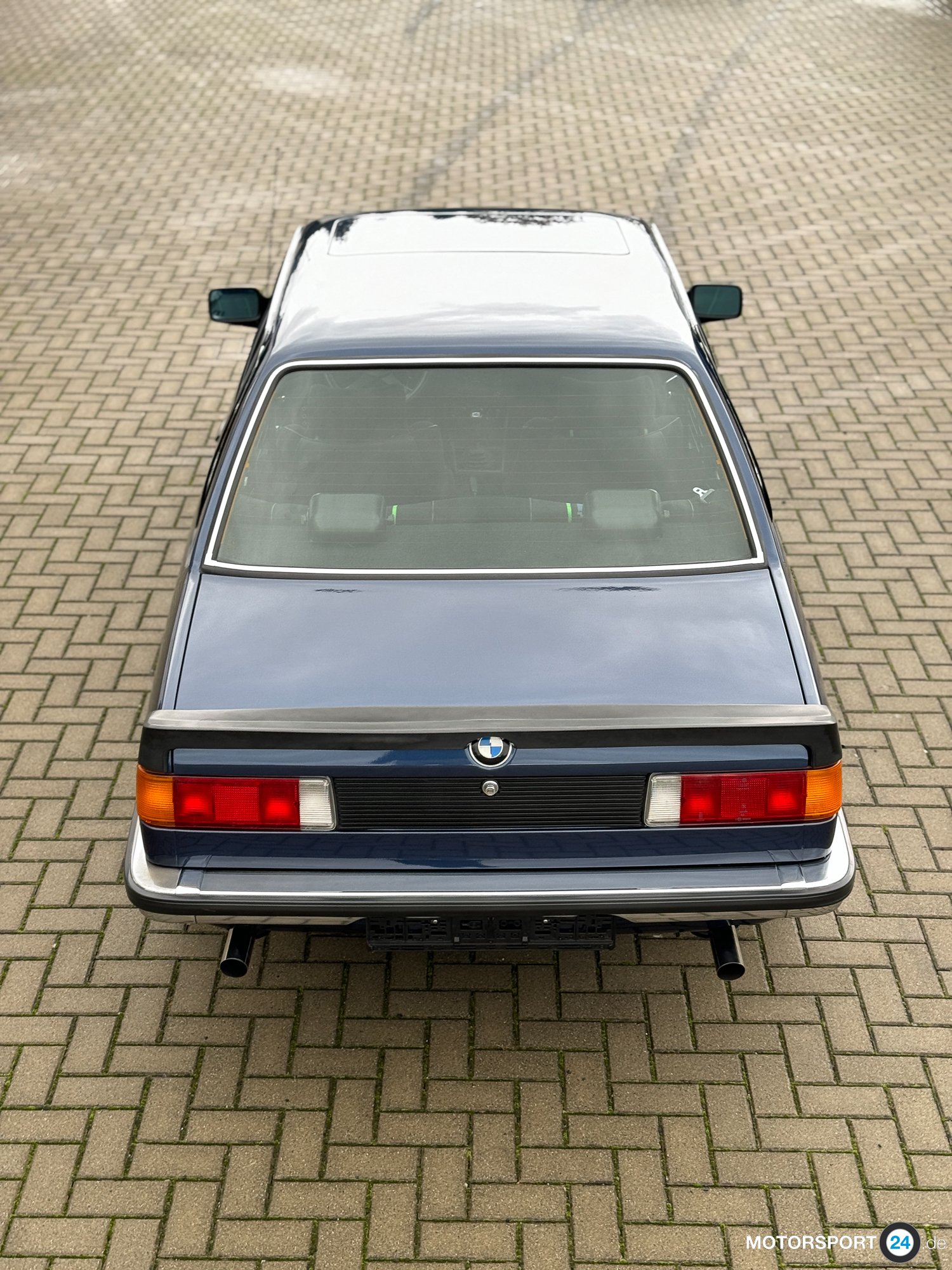
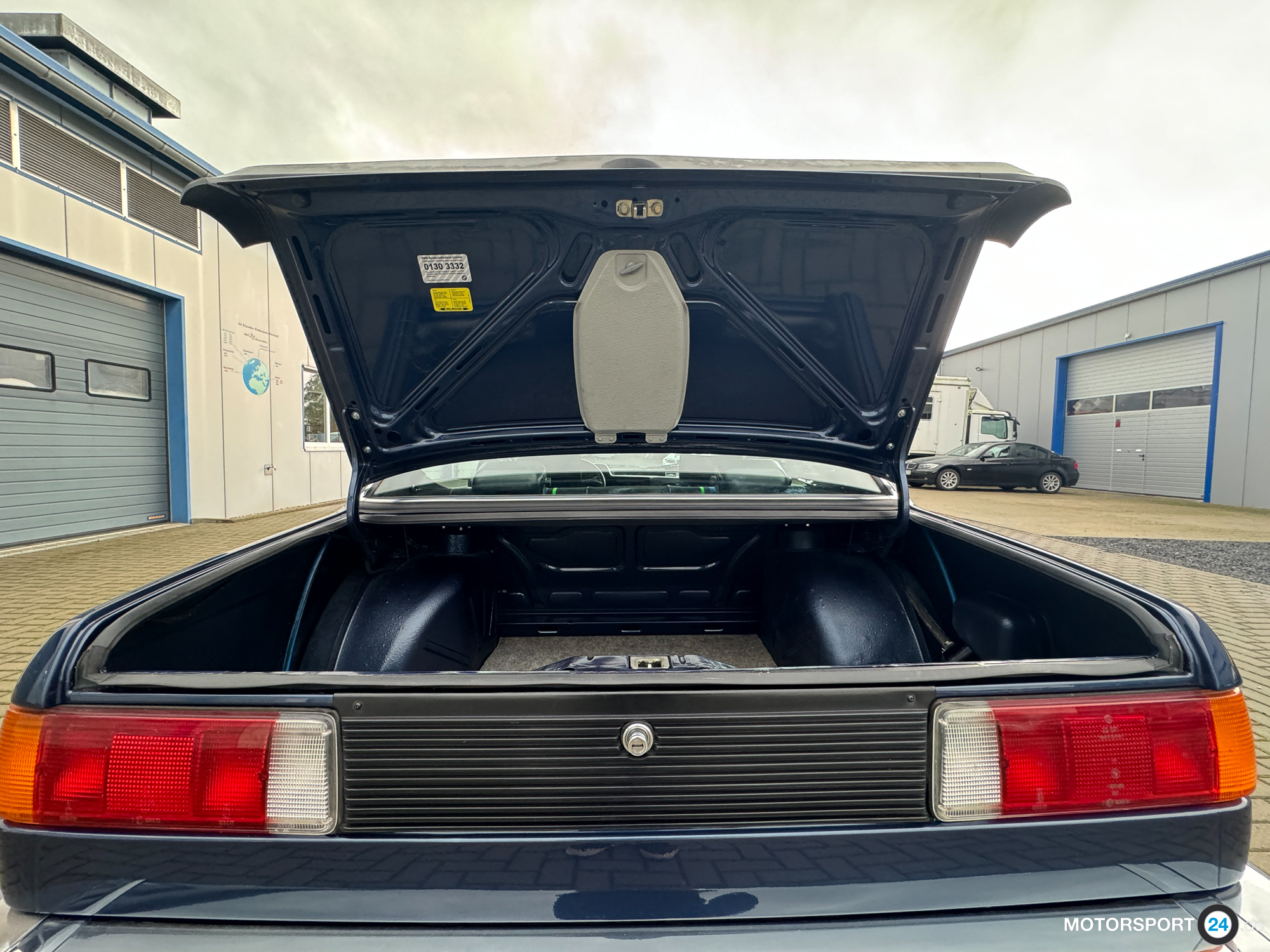
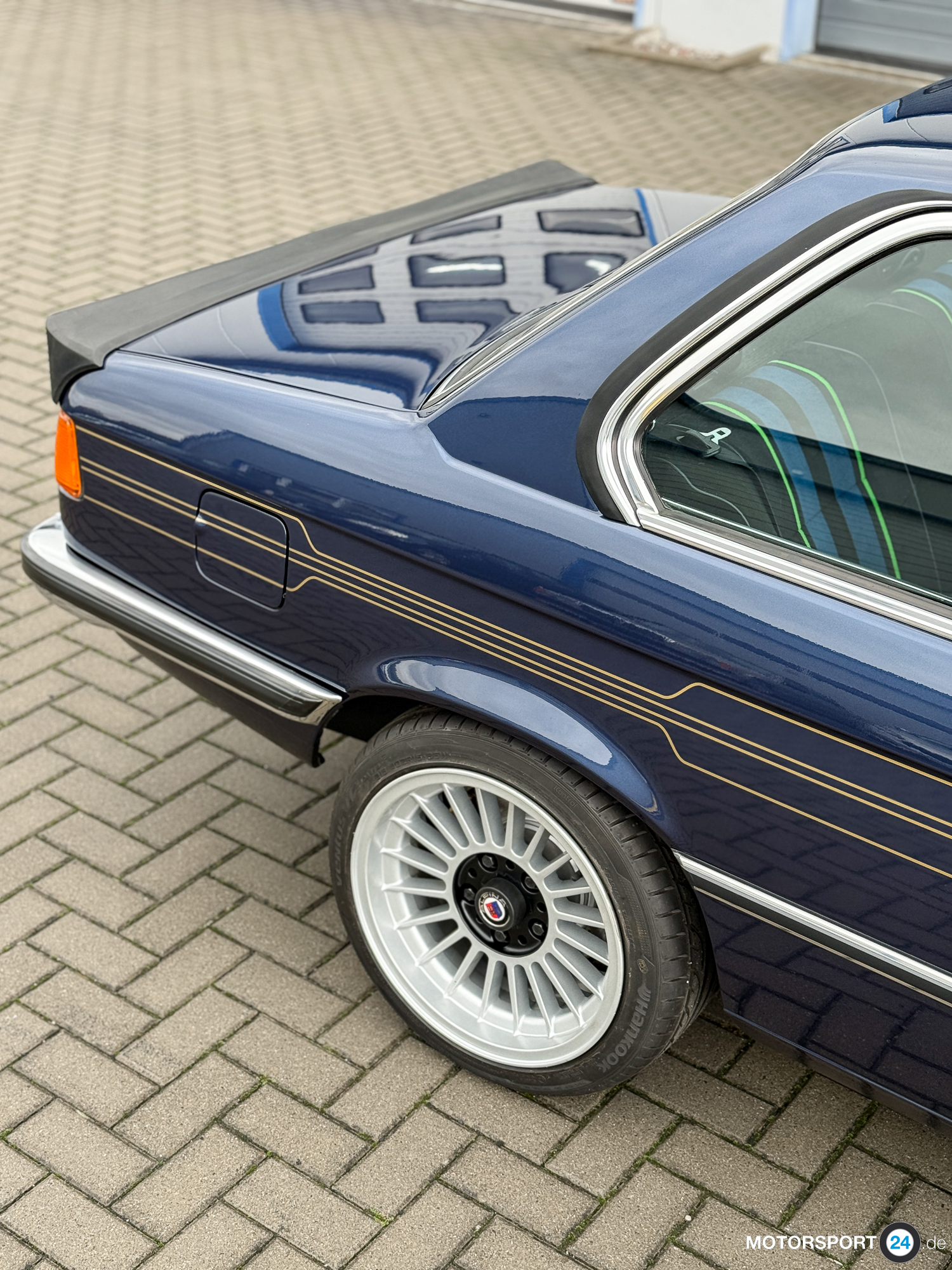
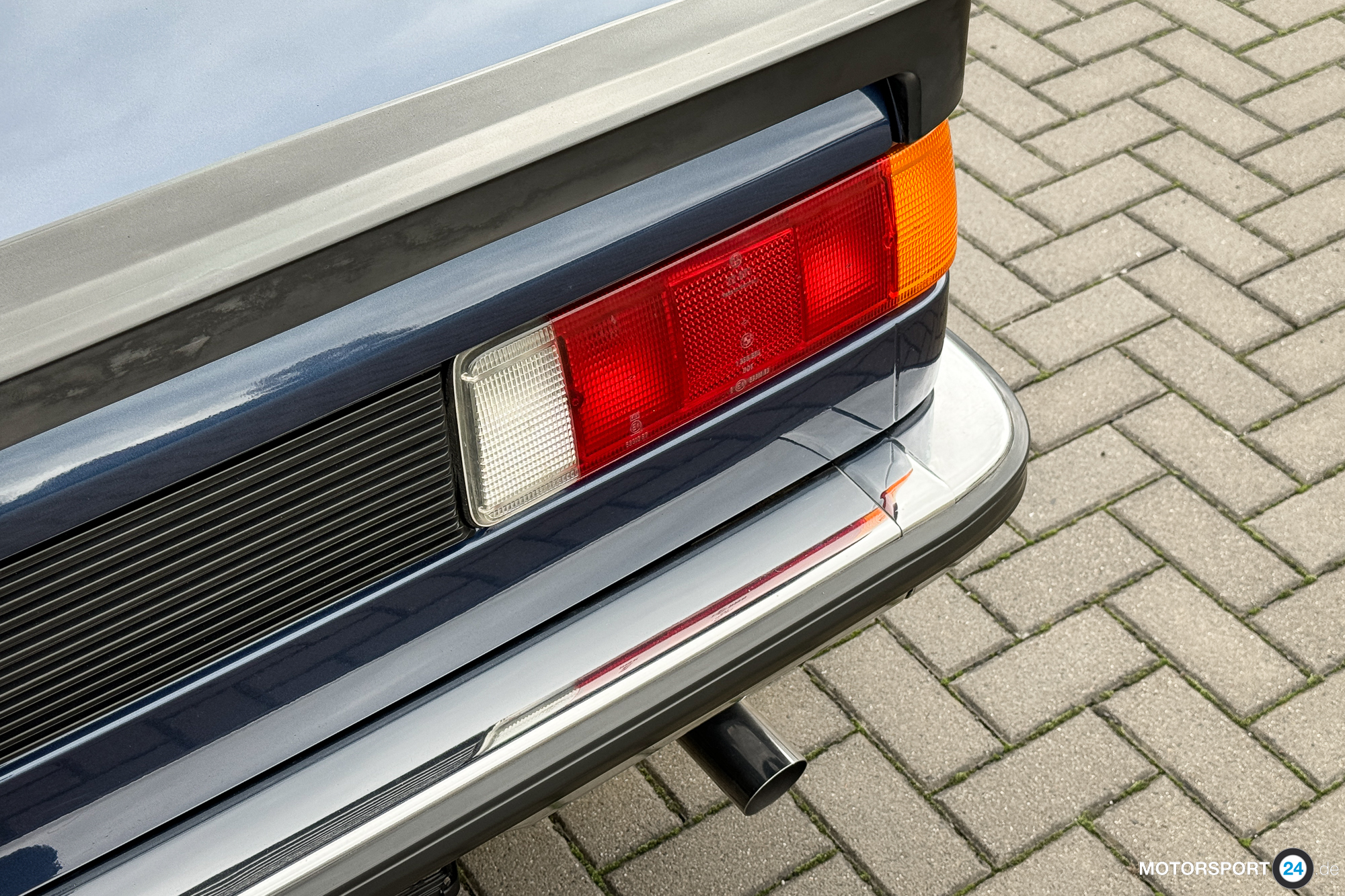
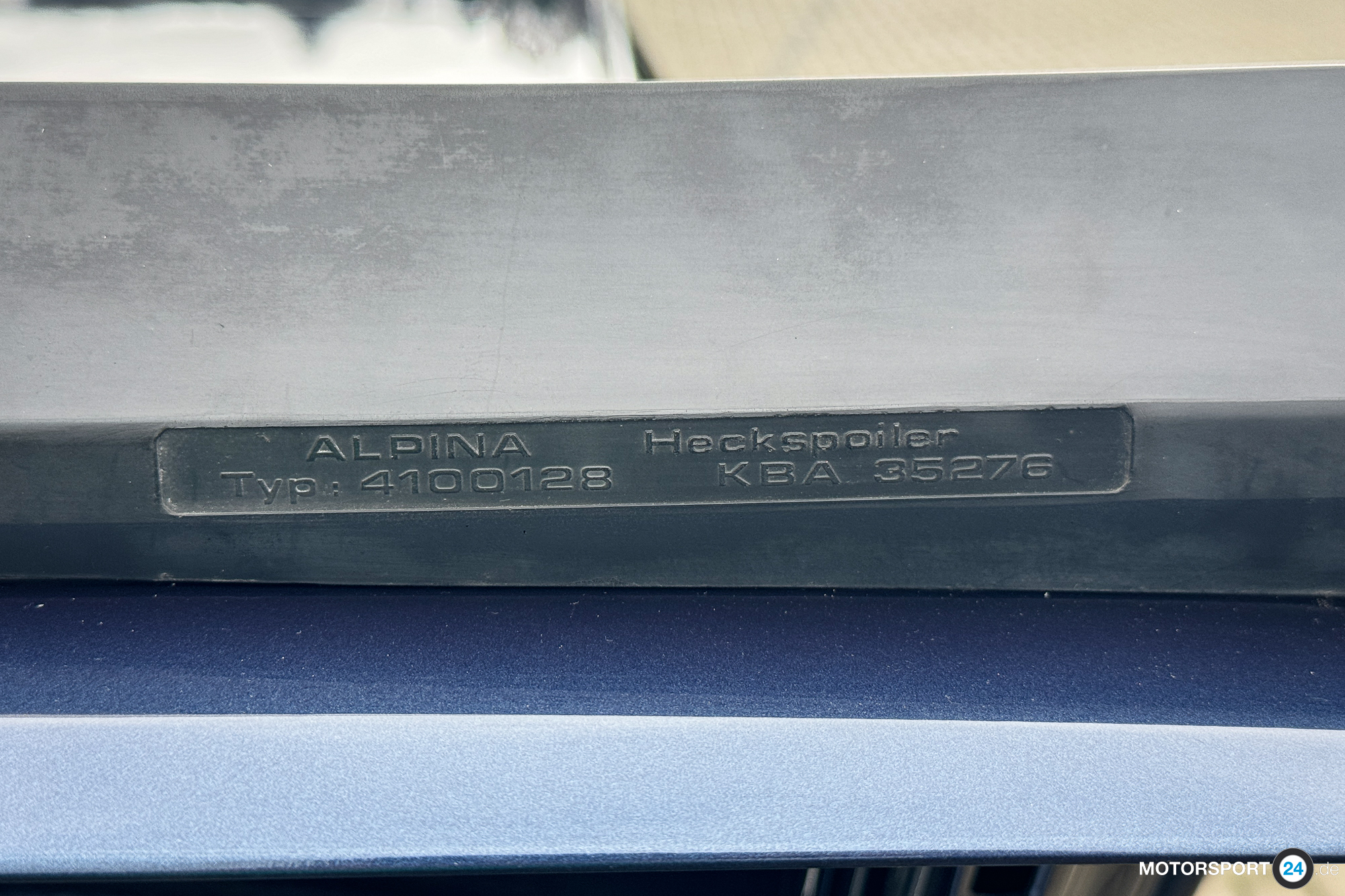
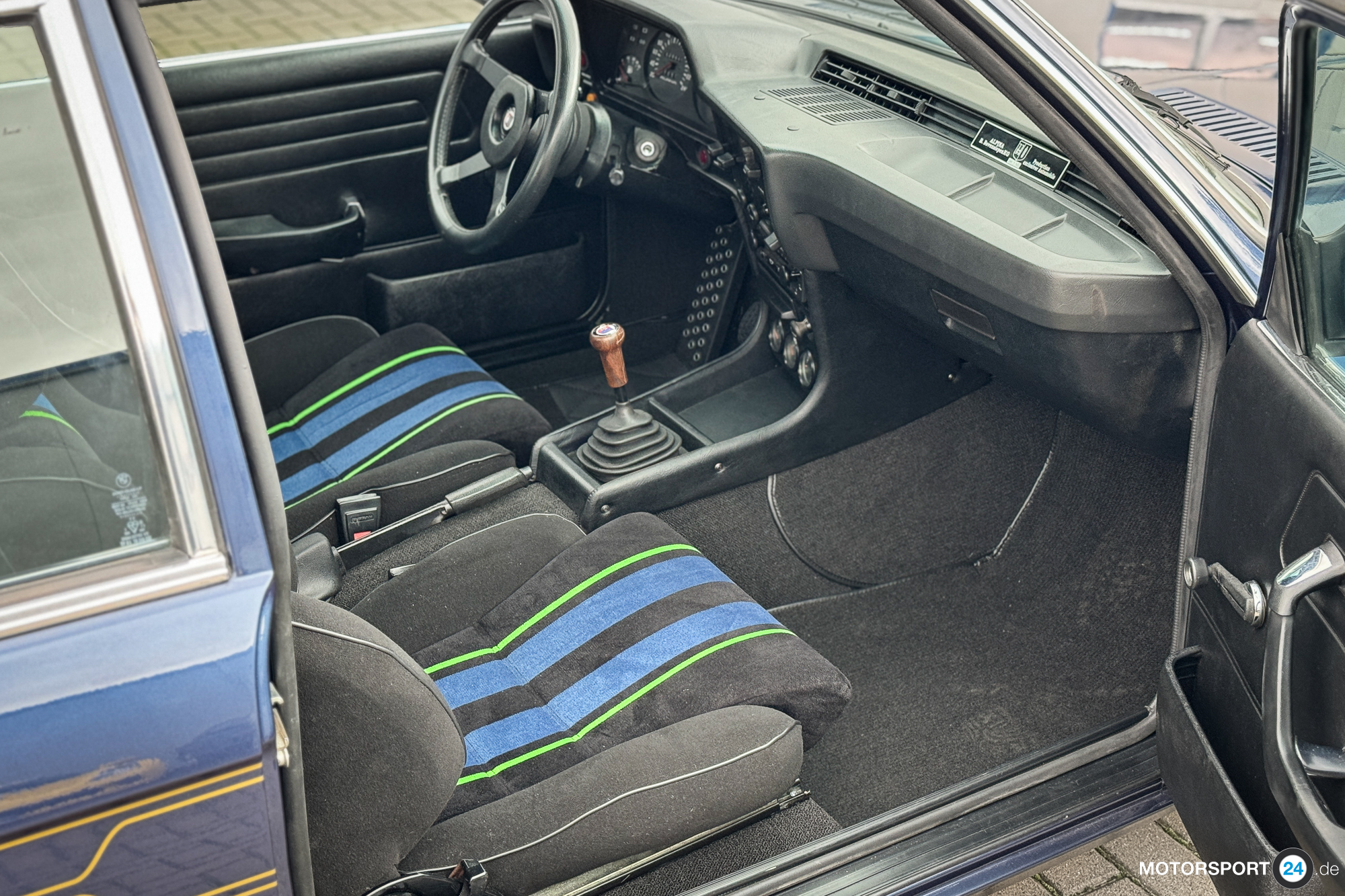
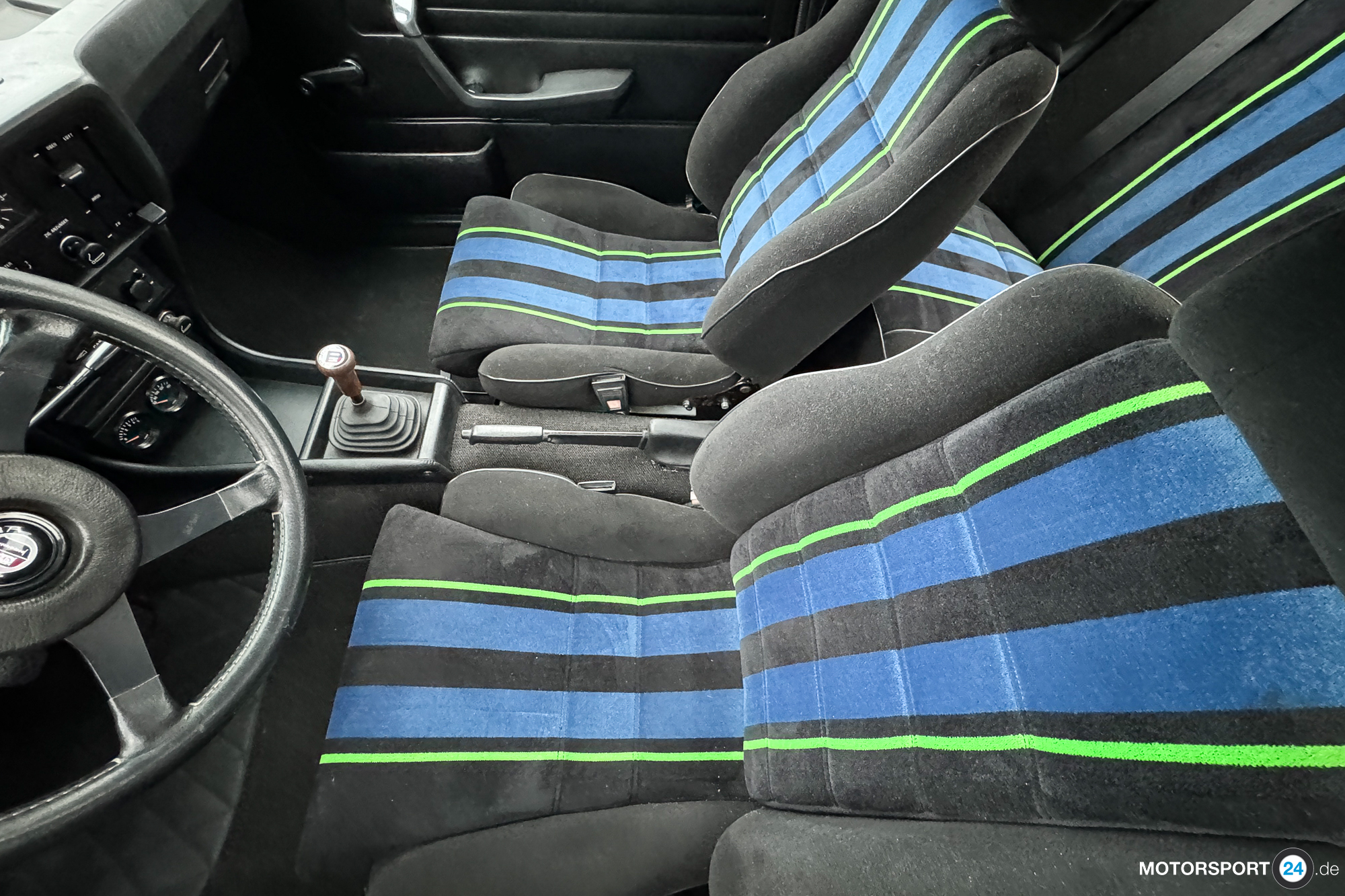
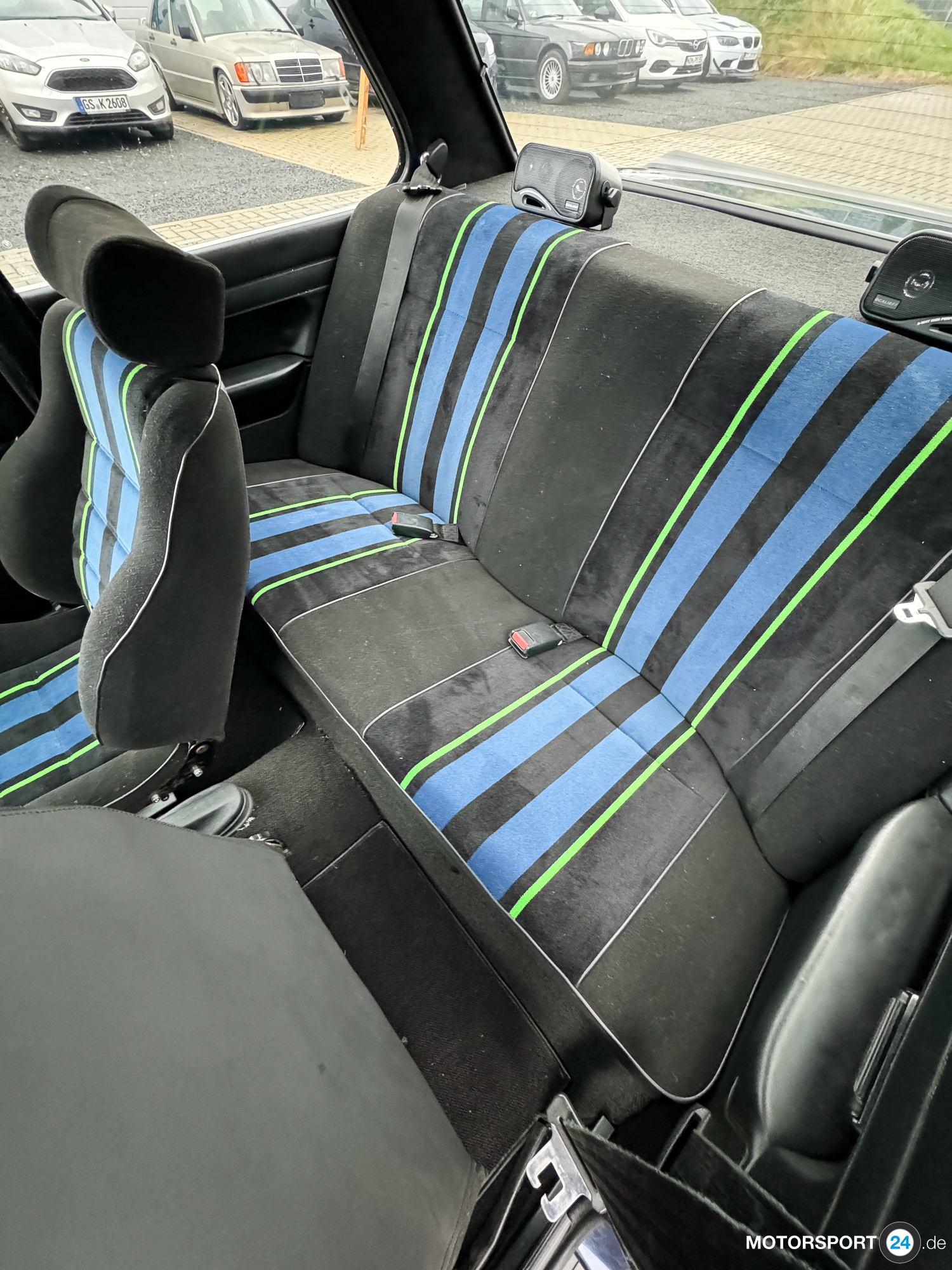
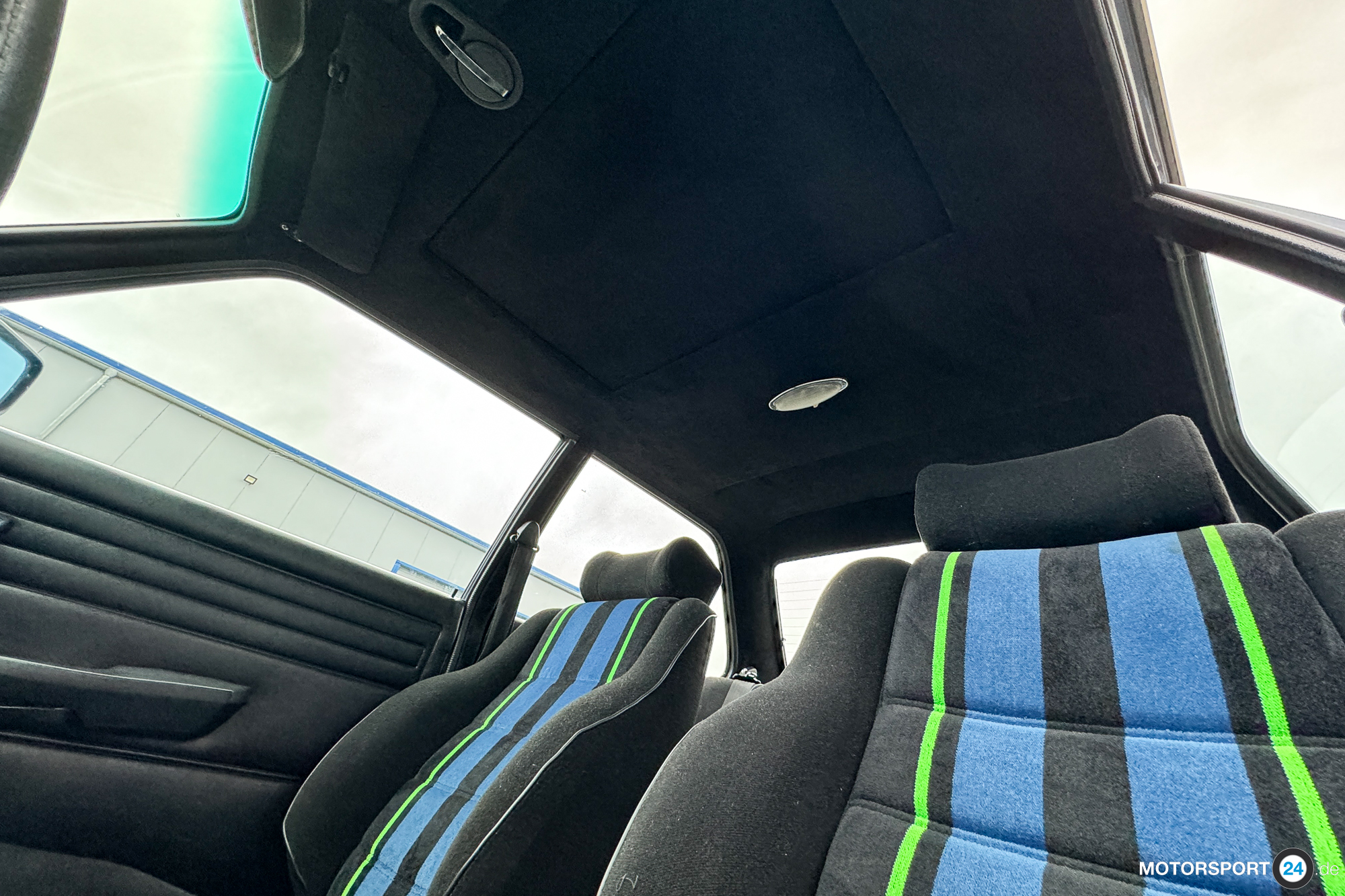
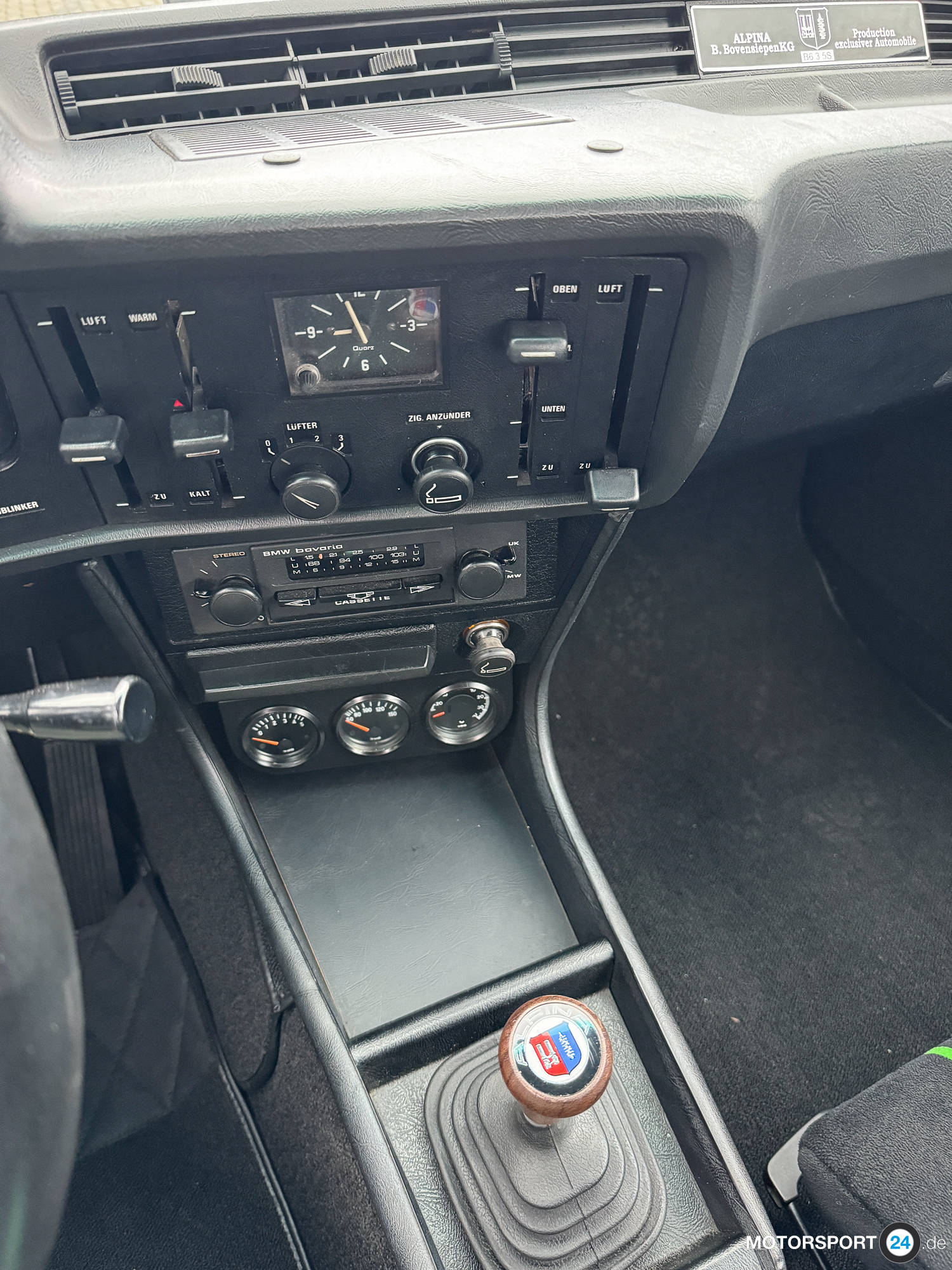
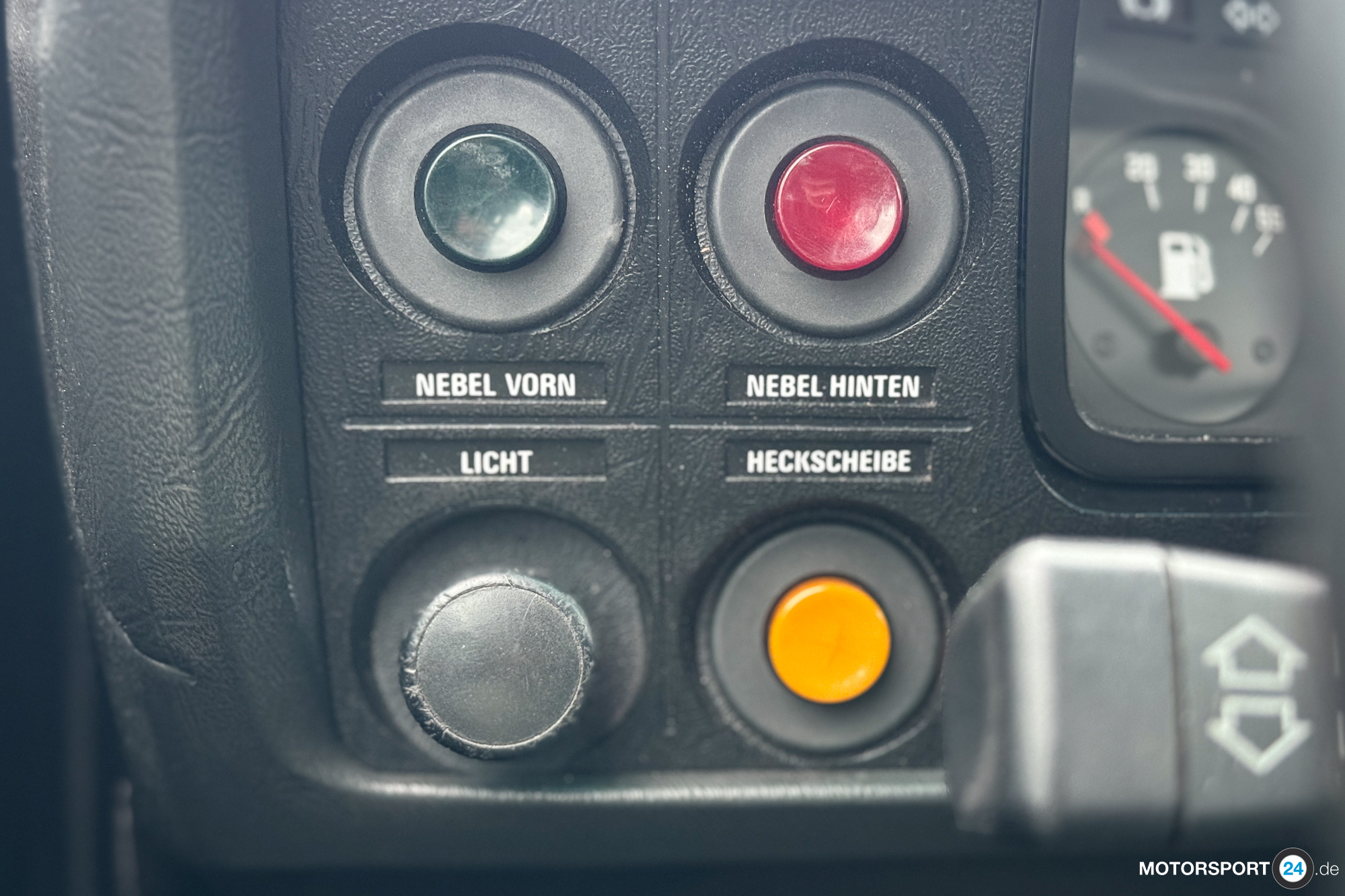
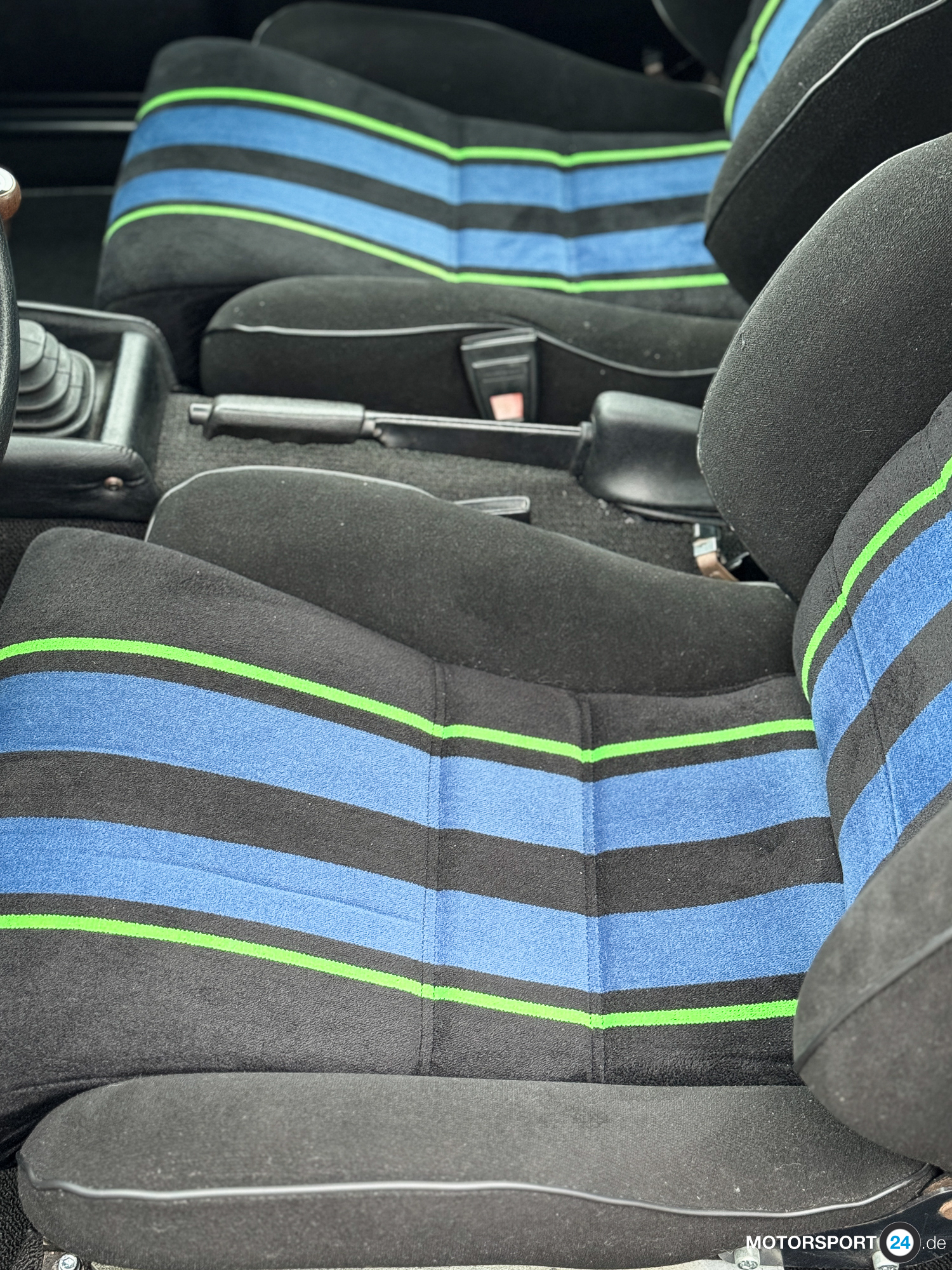
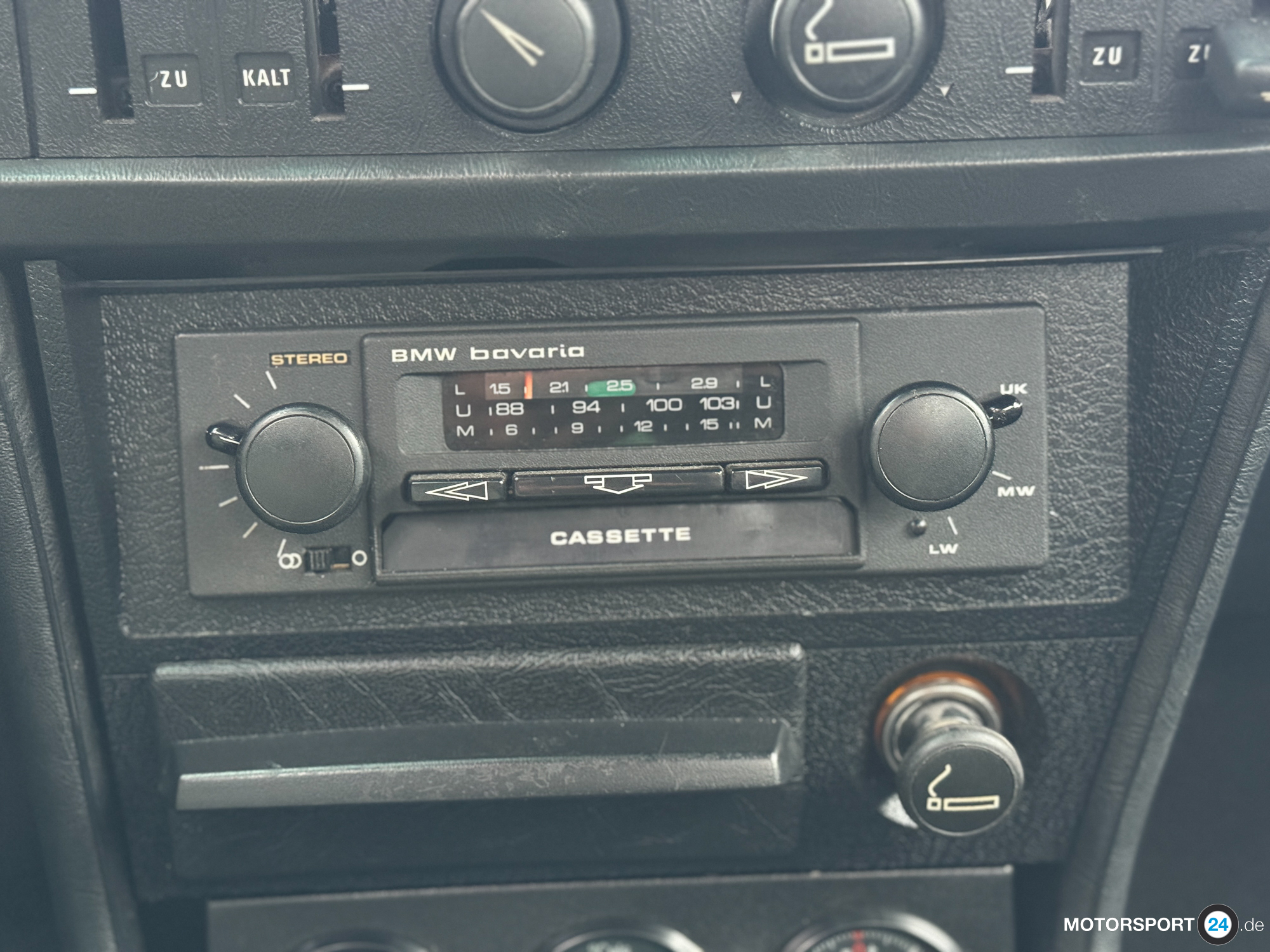
Inside, the B6 showed that understatement doesn’t mean doing without: sports seats in blue-green striped Alpina decor fabric, a four-spoke steering wheel with crest, dedicated instruments. Add to that details with time-capsule character — from the wooden gear knob to the BMW bavaria radio to the rear spoiler with embossed KBA number.

The rebuild: a replica with integrity
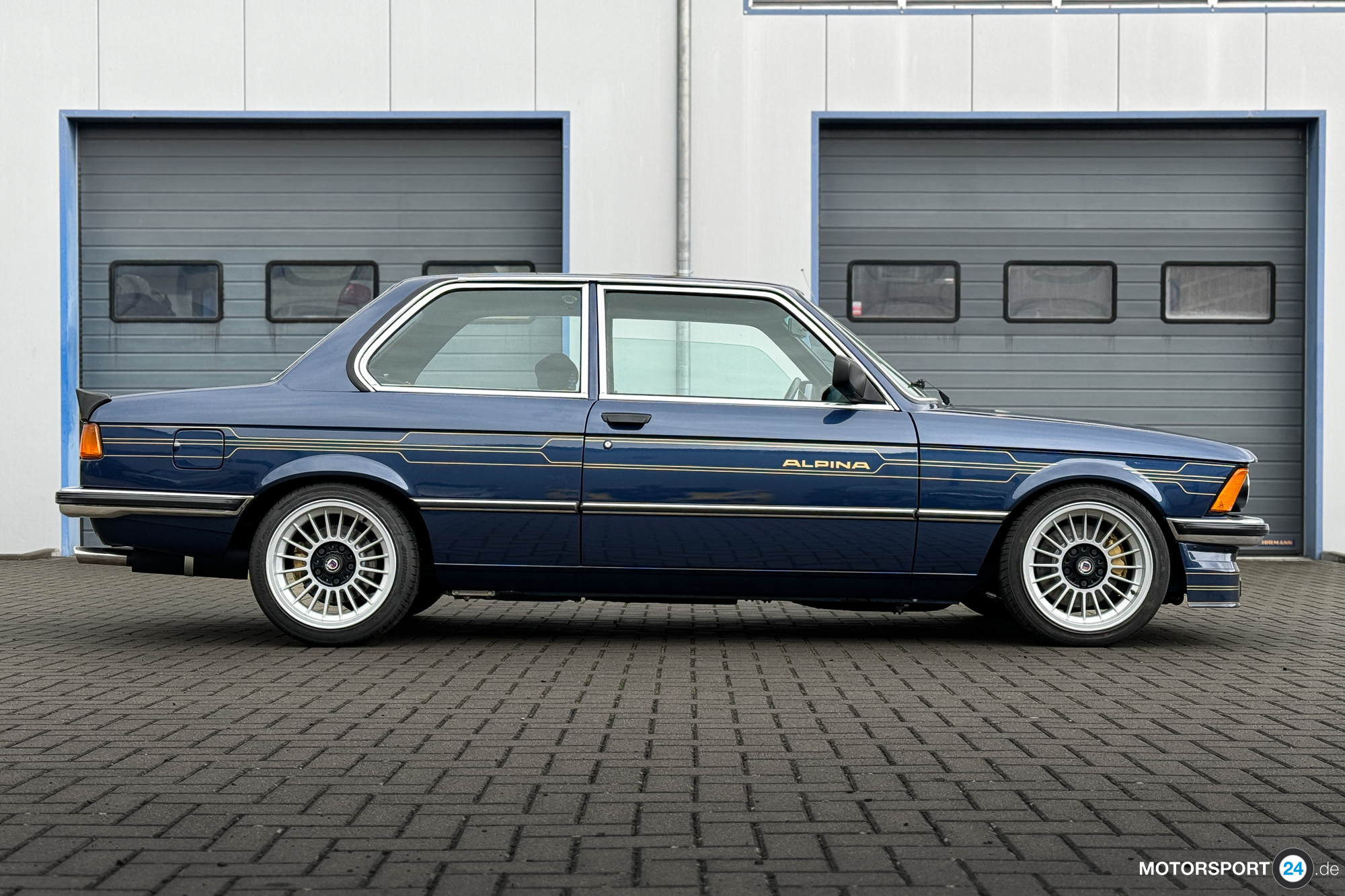
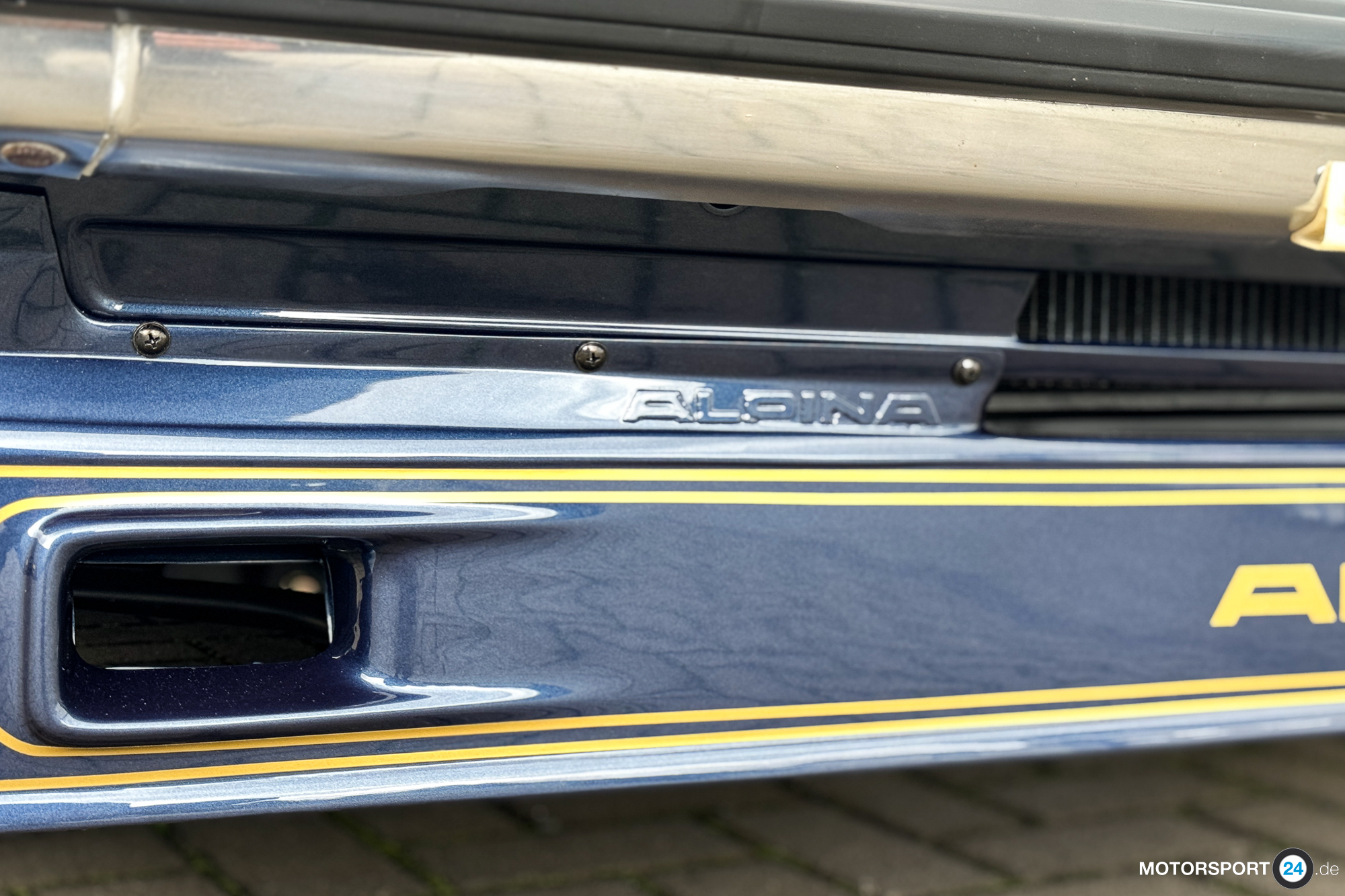
The vehicle shown is not an original Buchloe car, but a documented rebuild following the B6 template — built on an E21 base, using original Alpina components: from the M30 with its characteristic intake system to the wheels, gold decor set, instruments and seat fabric. Dark blue special paint, gold stripes, wooden gear knob: the ingredients are correct down to the detail.

The restoration: showroom standard, honestly achieved
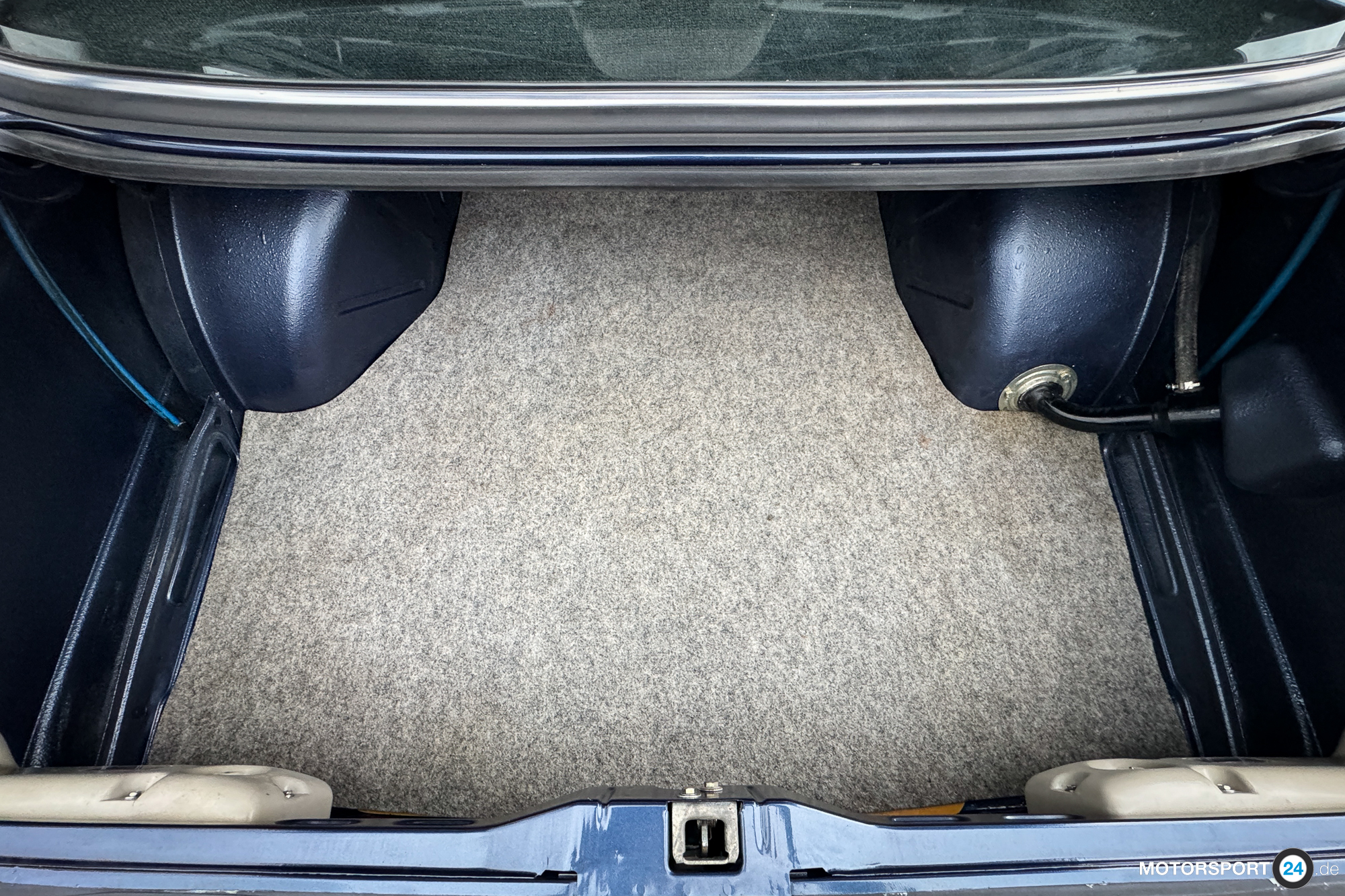
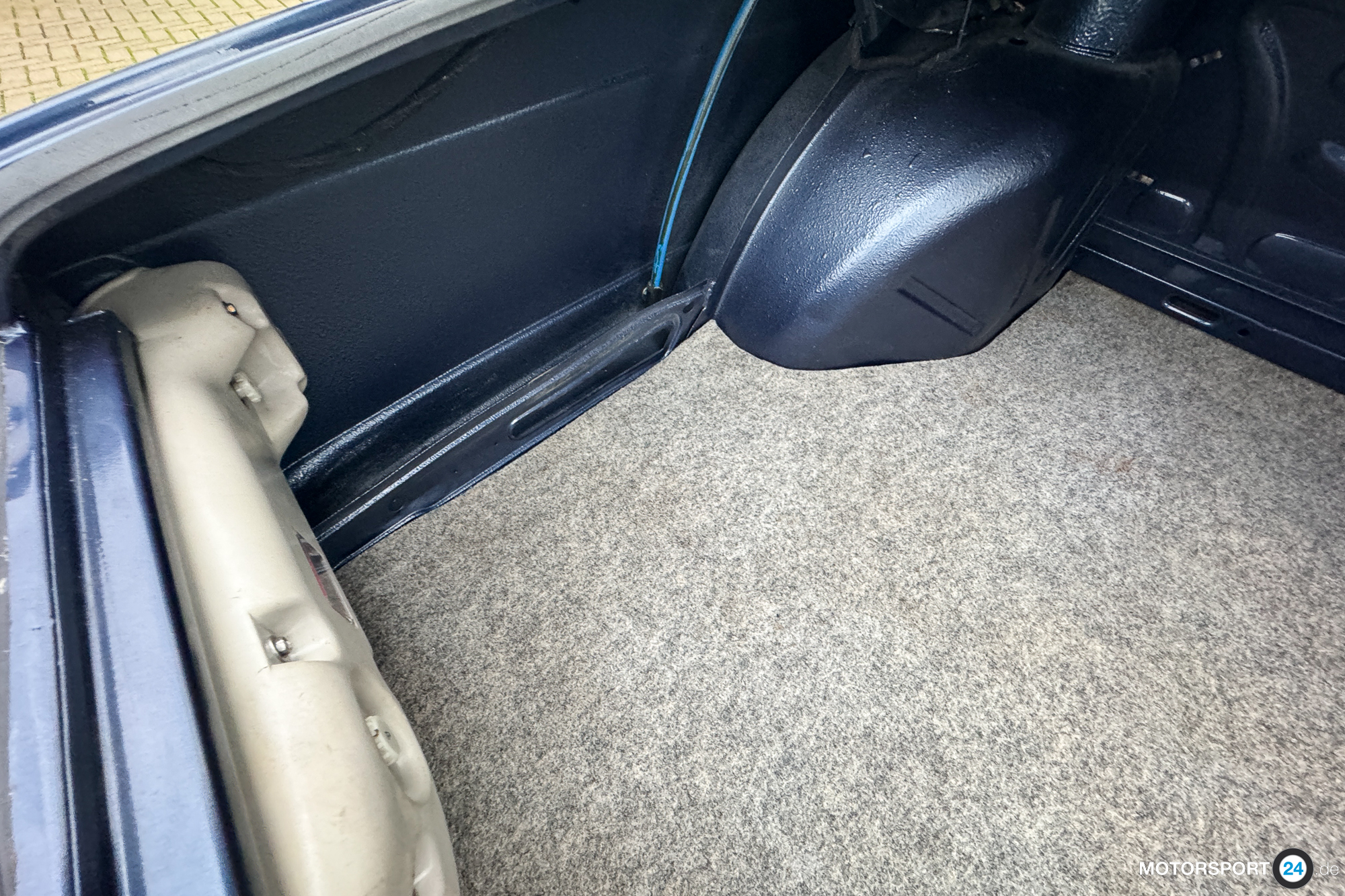
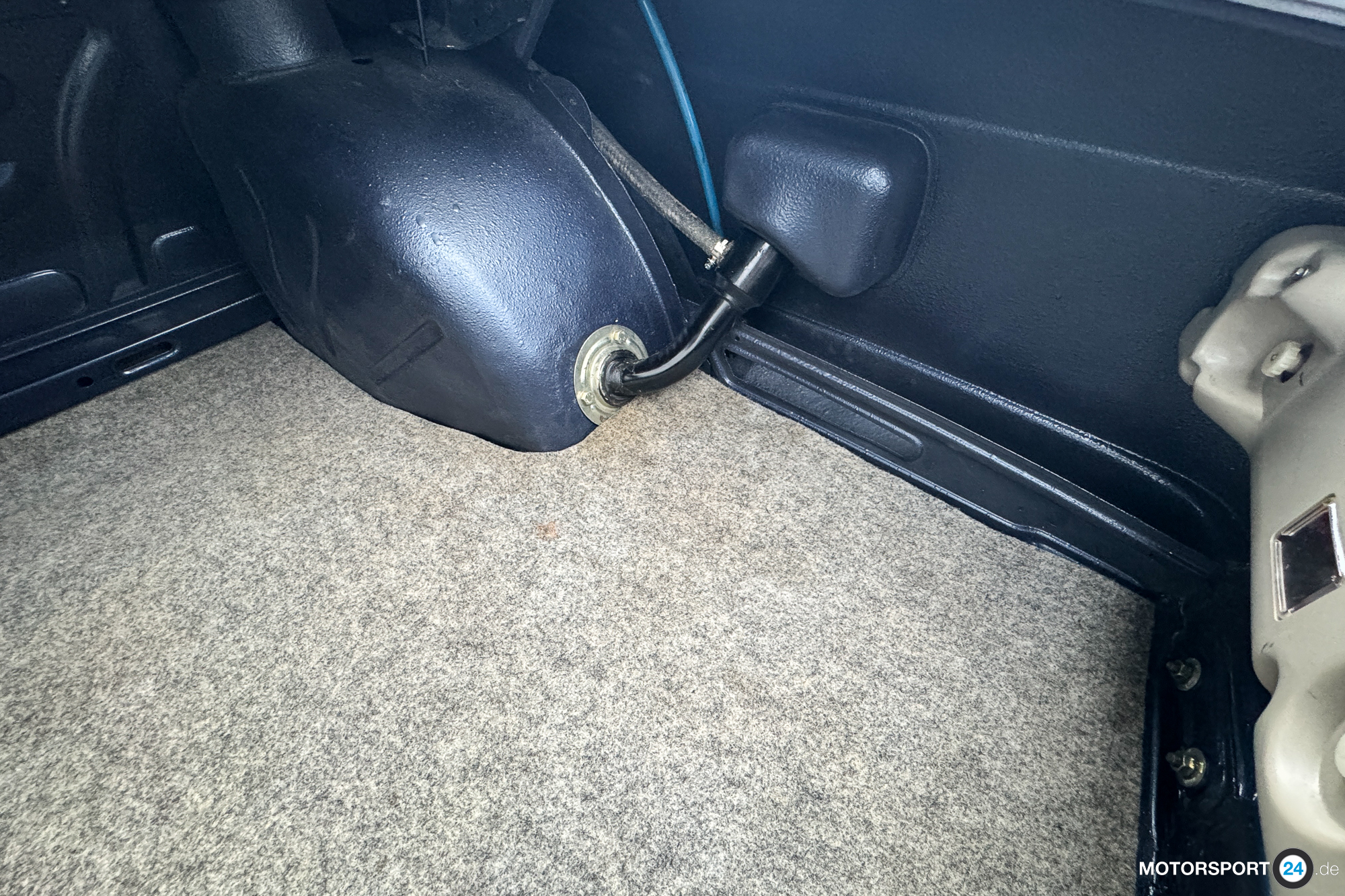
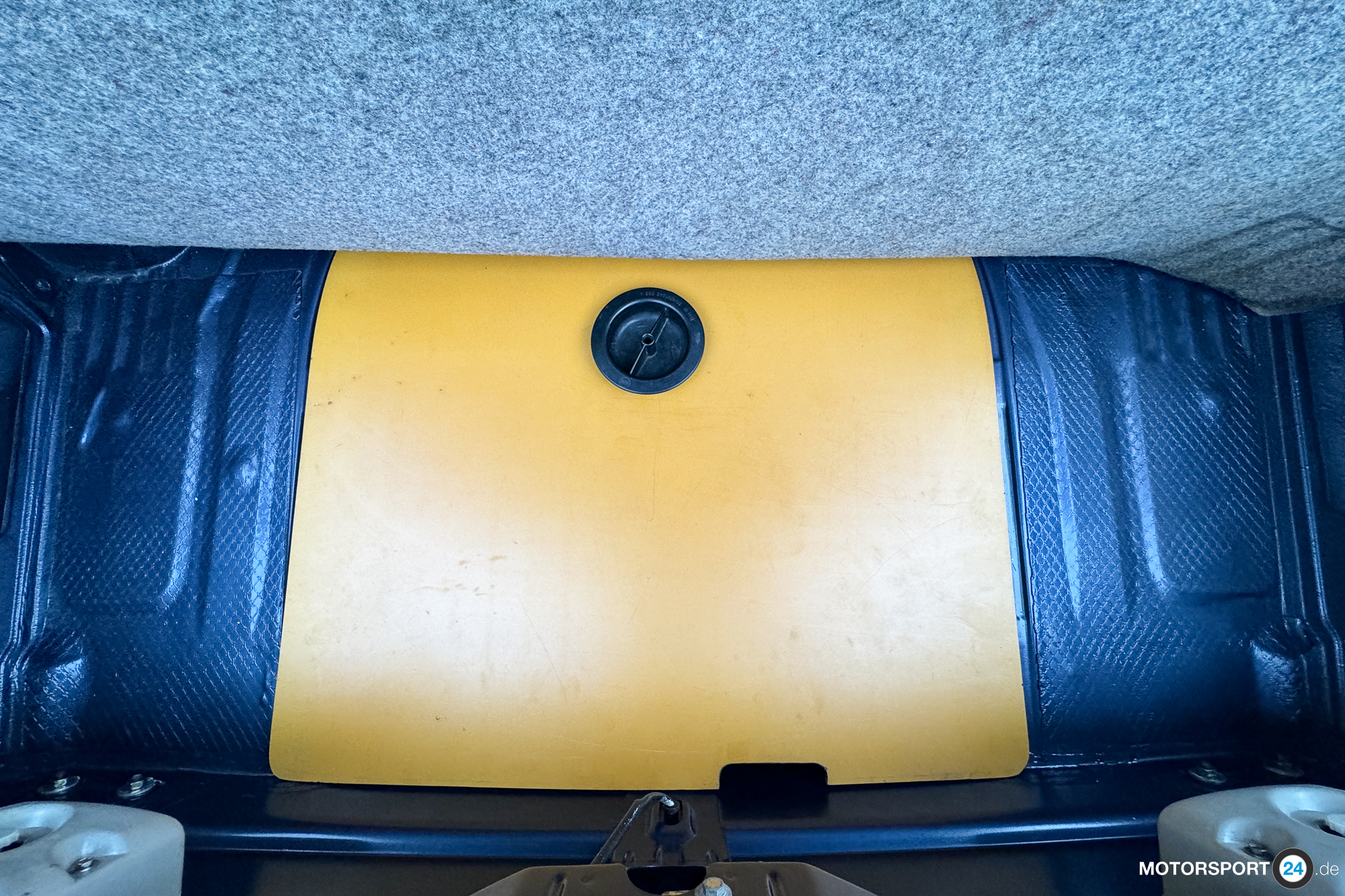
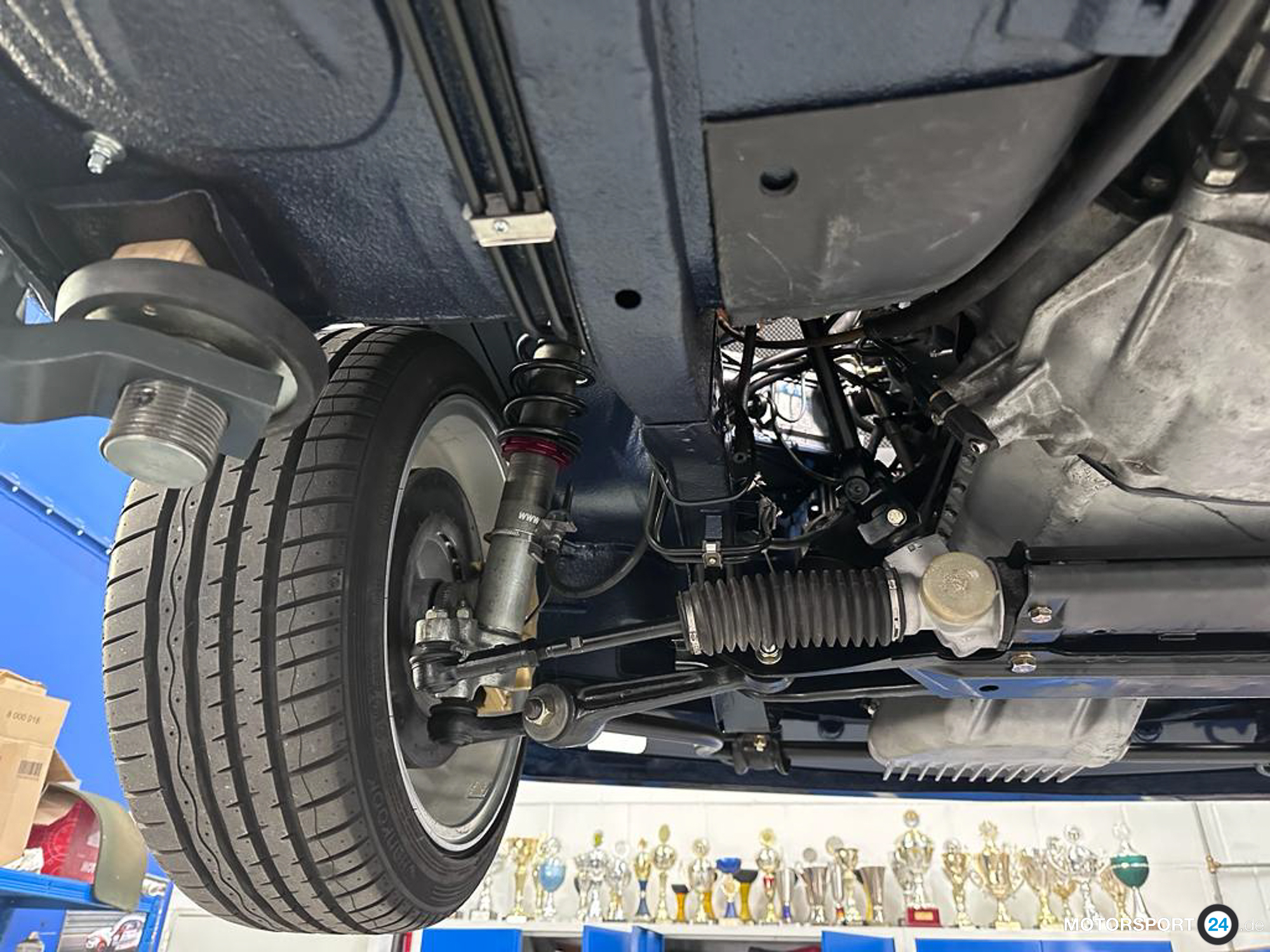
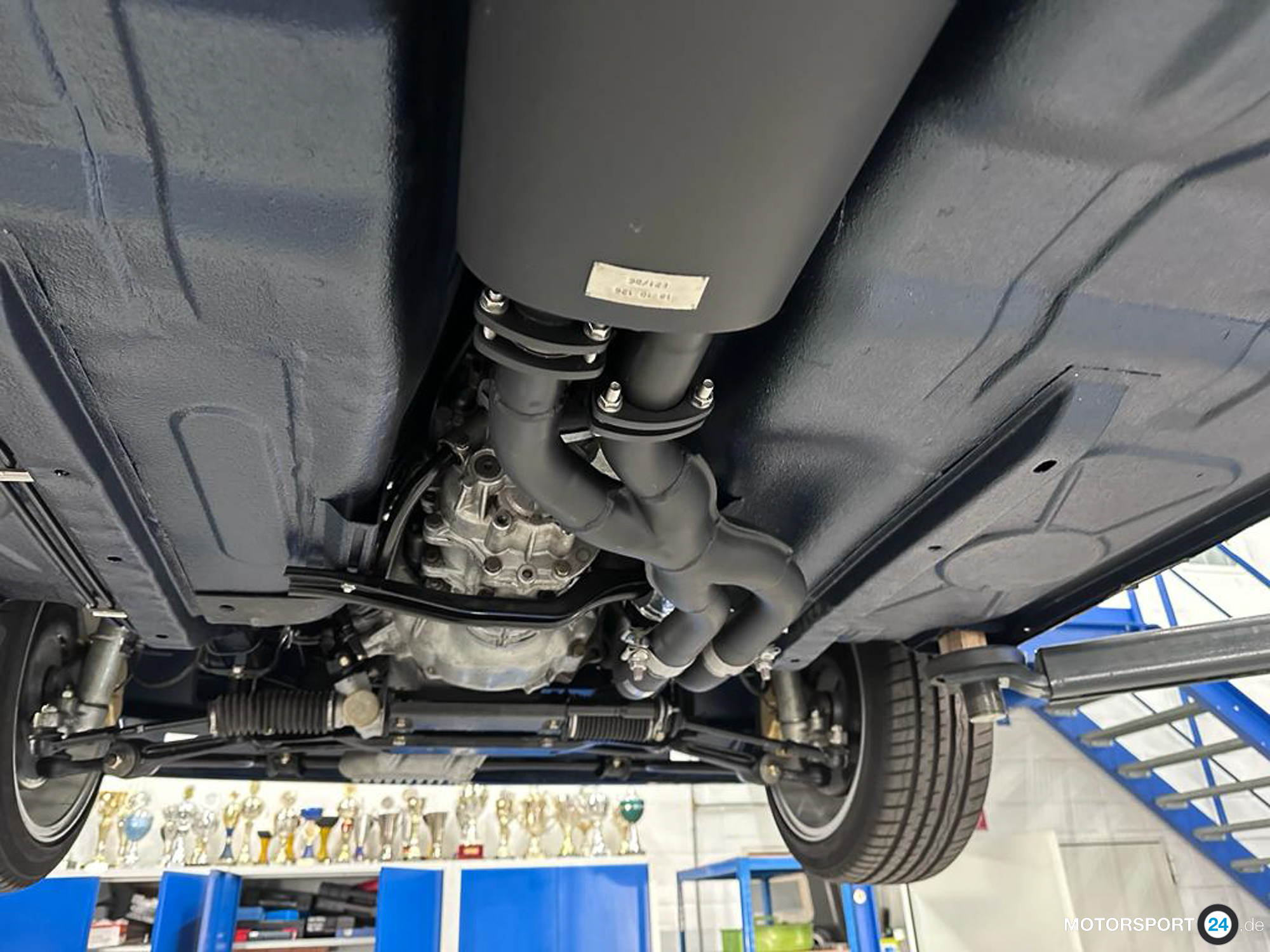
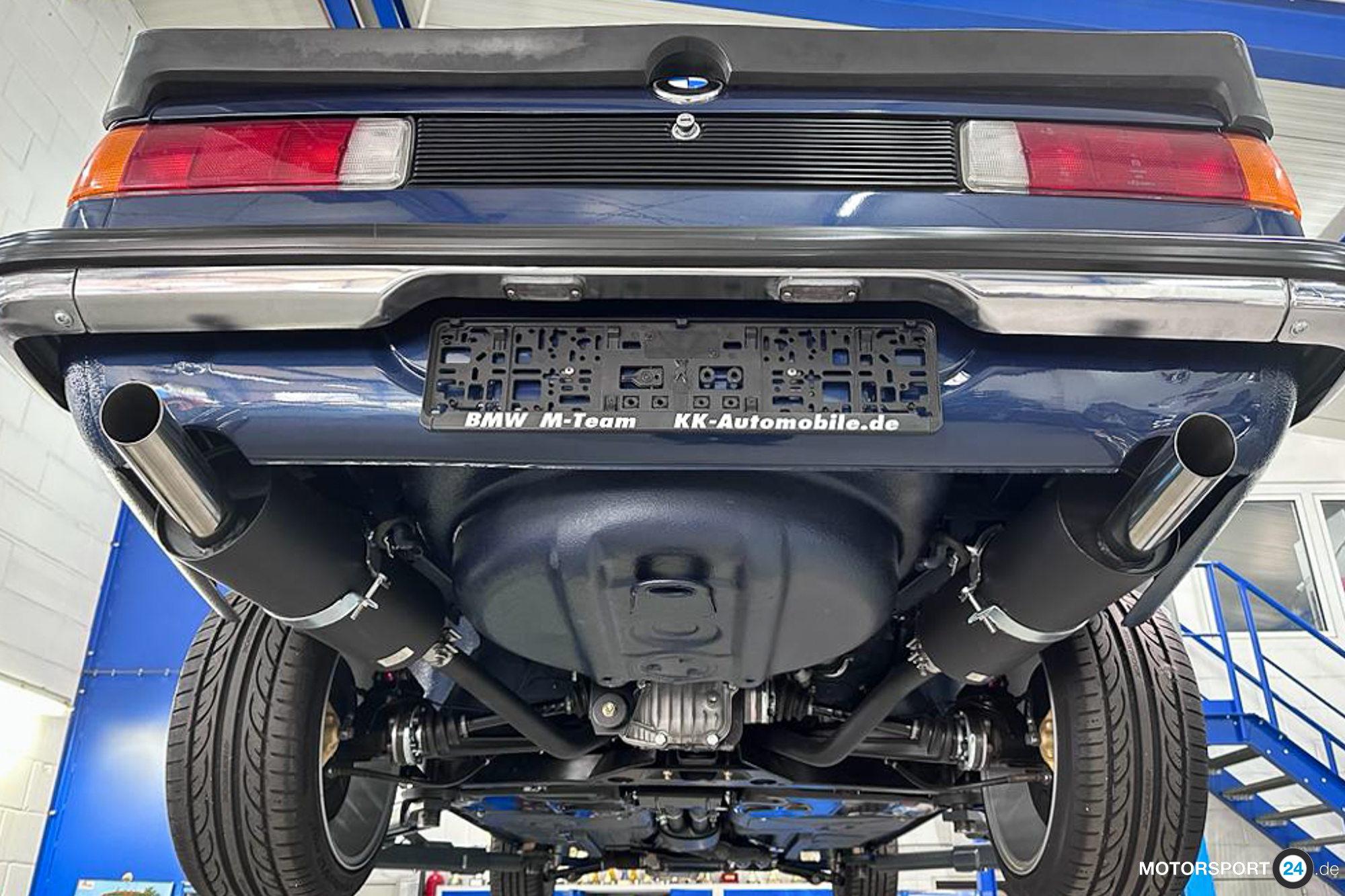
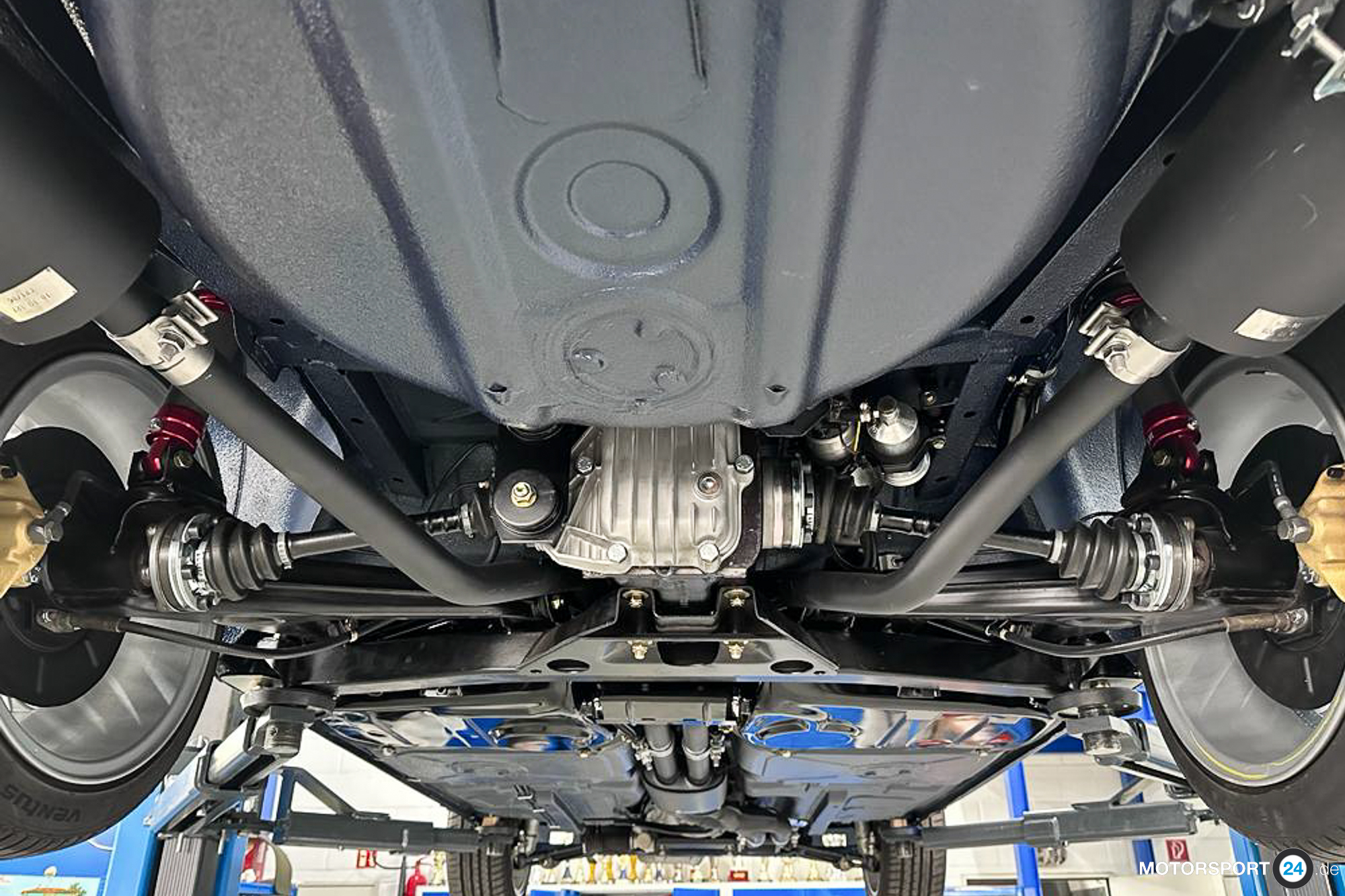
Behind these pictures lies a full restoration carried out about as thoroughly as it gets — documented by MOTORSPORT24. [5] The bare body shell went entirely into an acid bath and was subsequently KTL-coated, with rust protection to new-car standard, before the Alpina blue tone was applied. Inside, the seats were reupholstered with original Alpina fabric, and new carpet was fitted.
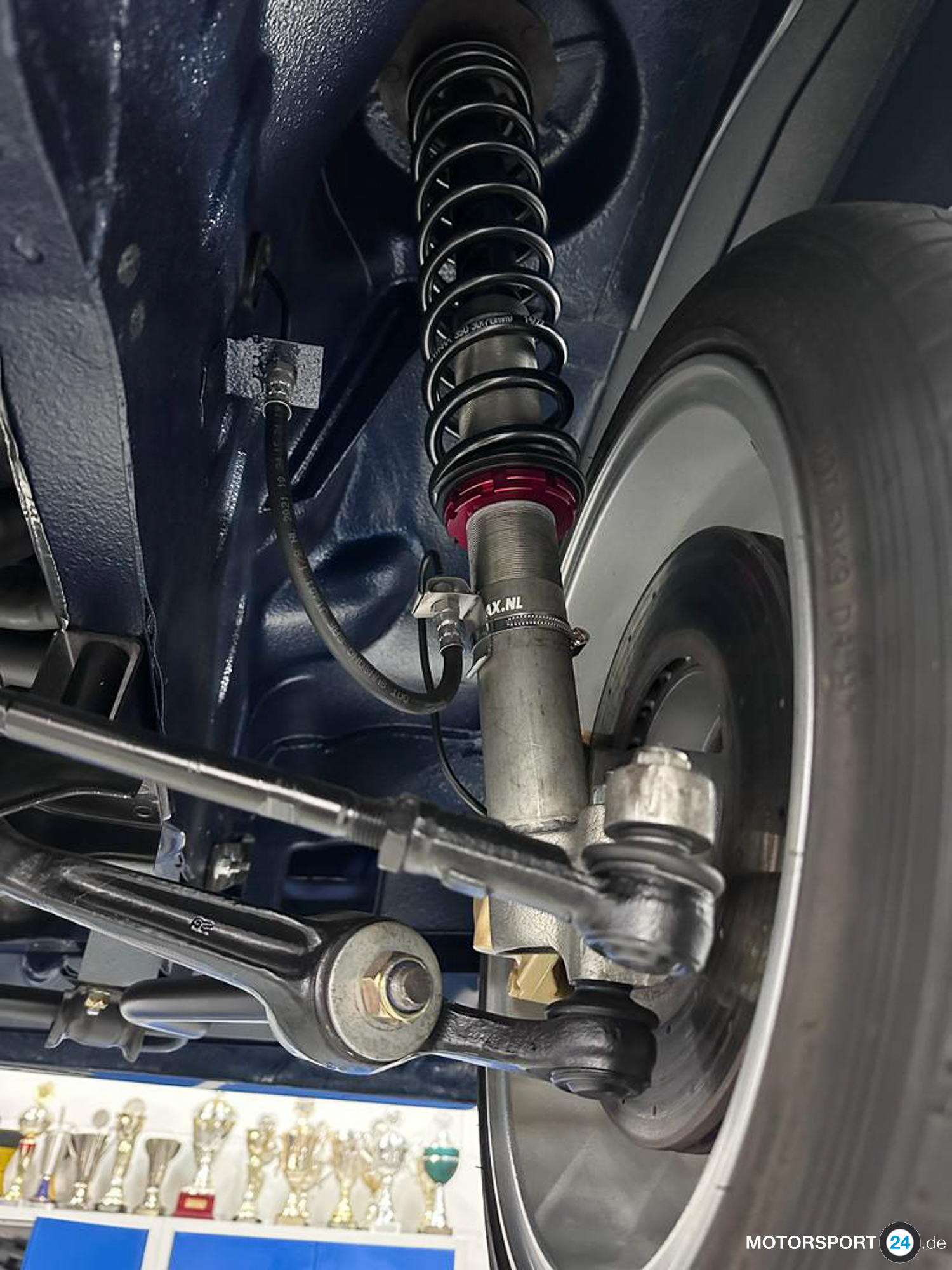
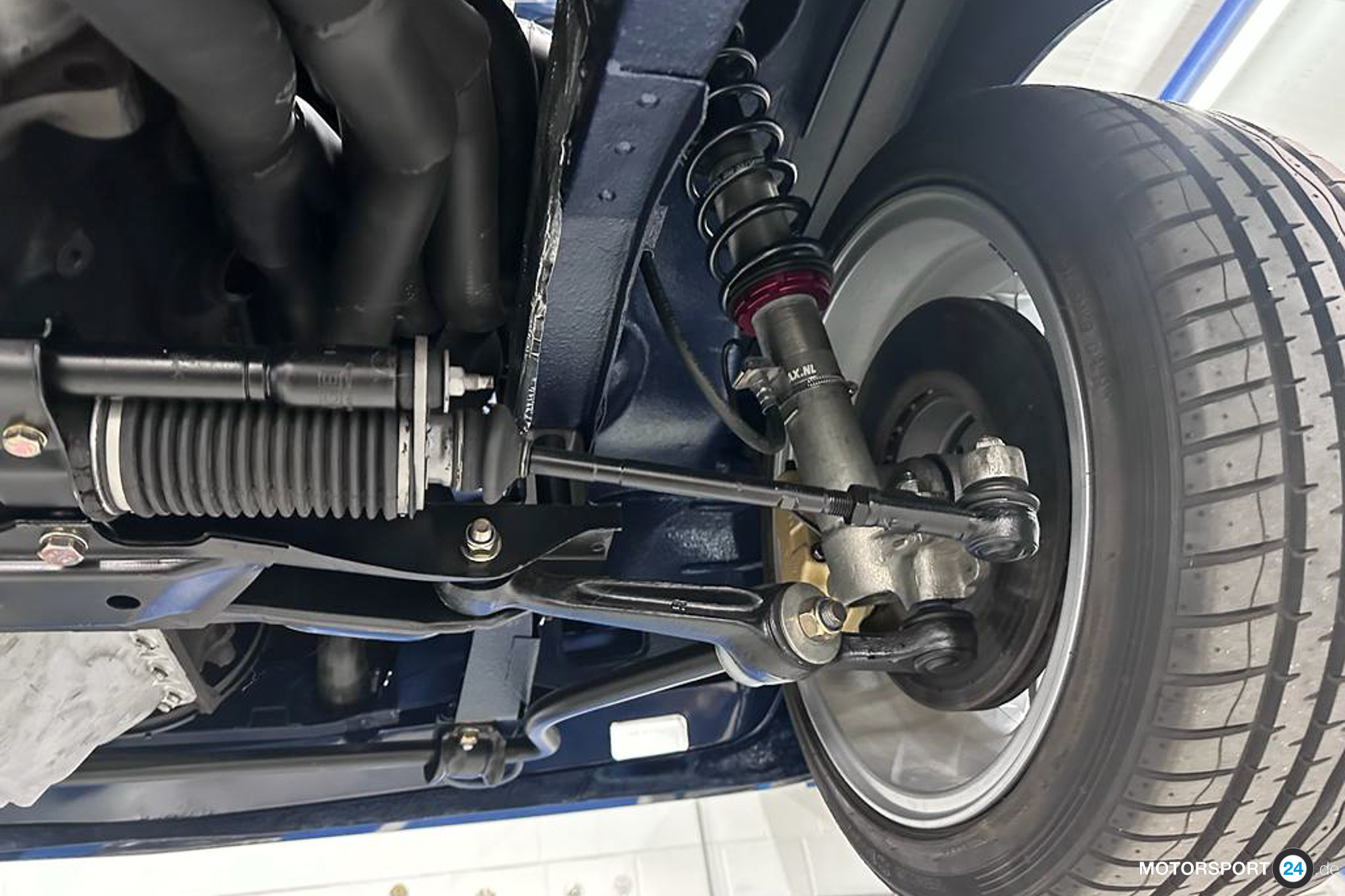
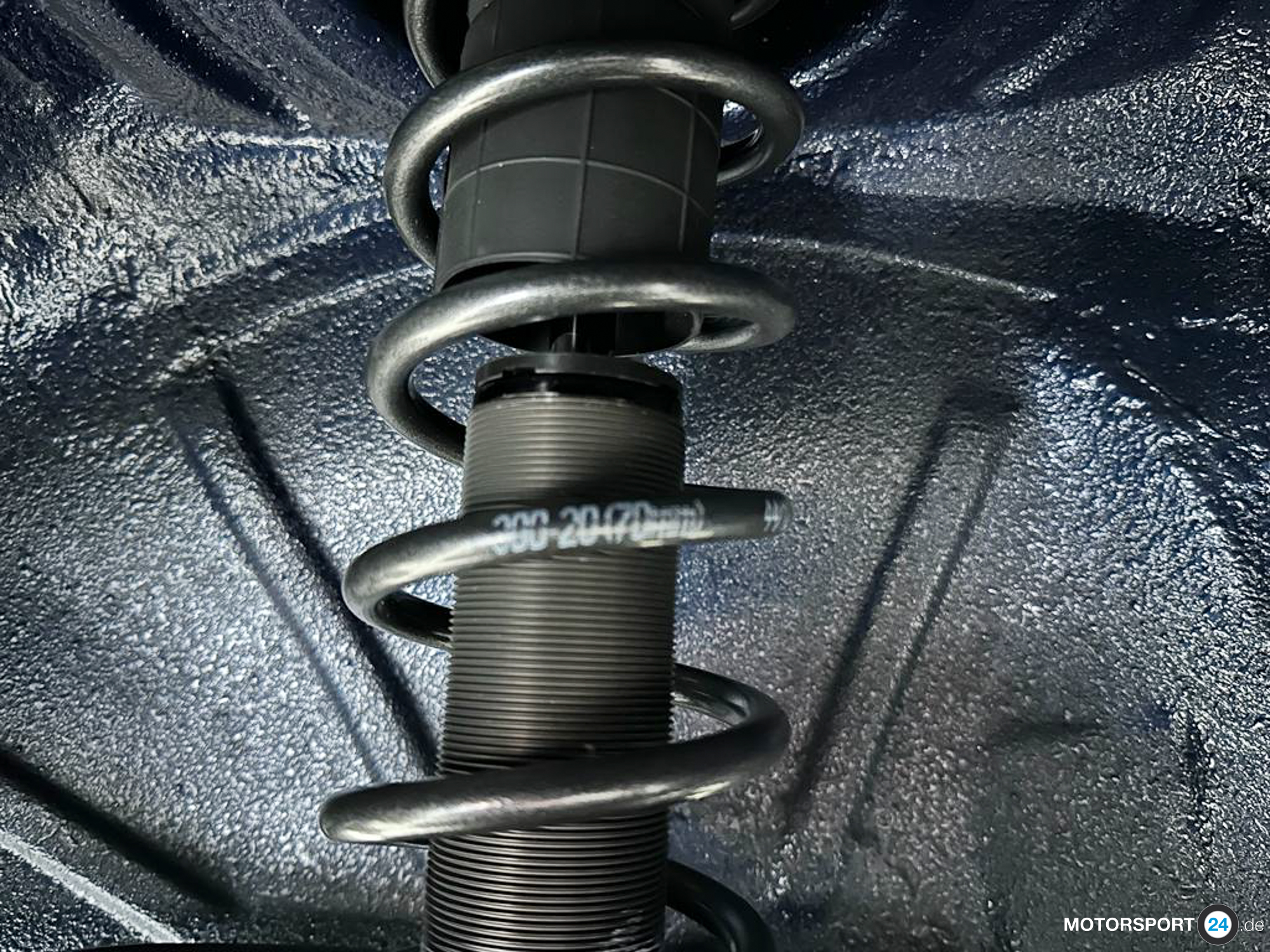
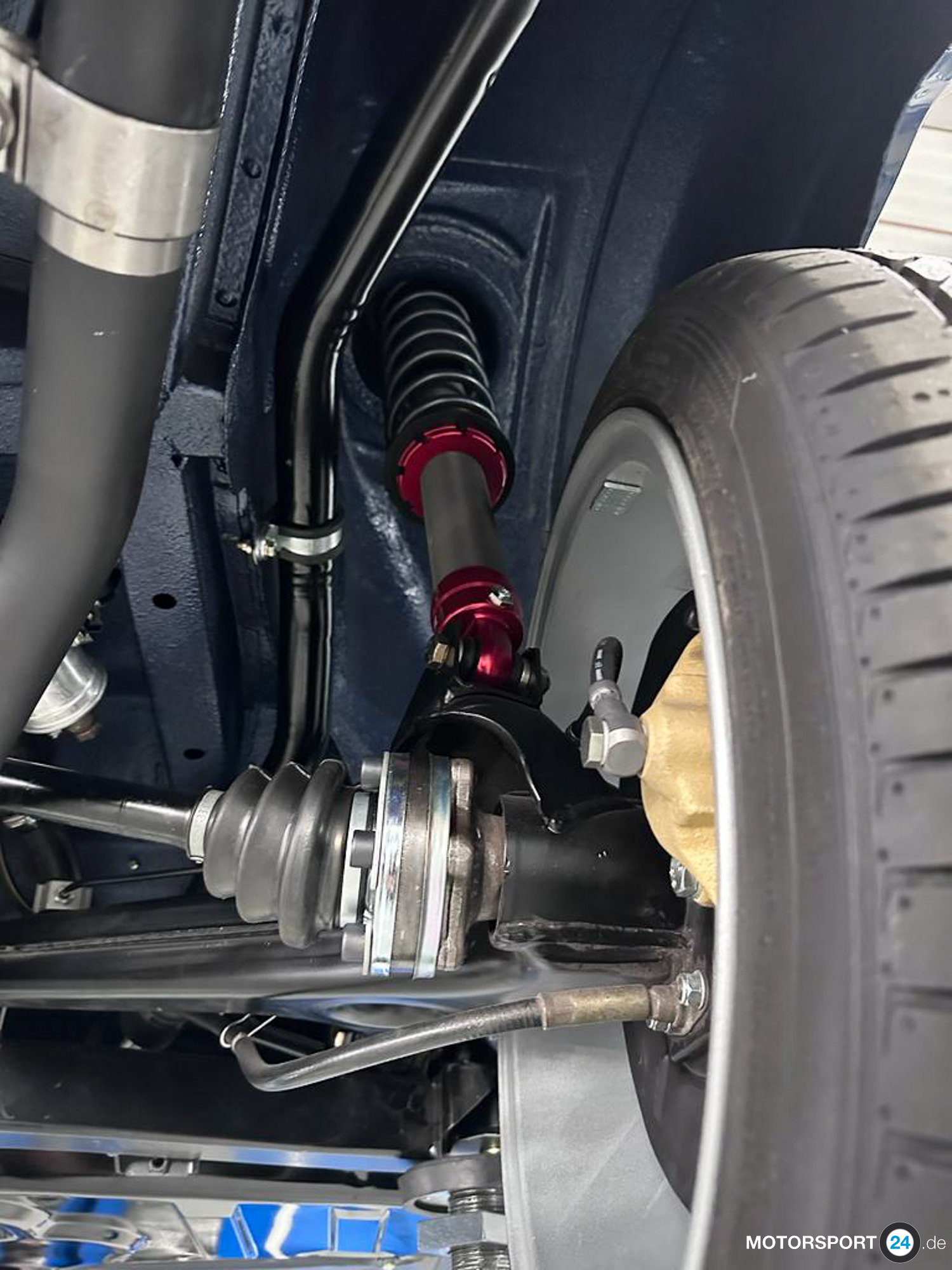
Technically, nothing was left to chance: engine rebuilt, gearbox overhauled, differential re-mounted on new bearings — and fitted with a limited-slip diff in the process. The exhaust system was remanufactured based on a sample of the original system and, like the tubular manifold, ceramic heat-coated. On the chassis, the build took its own path: a bespoke setup from Dutch suspension specialist Intrax, combined with a 5-lug conversion that makes room for a larger brake system. All control arms and bearings were replaced.
This also clearly defines what this car is: apart from the suspension, everything on this car is either original or — like the exhaust system — faithfully remanufactured to the original pattern. The custom-made Intrax suspension remains the one deliberate departure from the 1978 as-delivered condition: it makes the car more drivable without compromising its substance. It is precisely this openness that distinguishes an honest rebuild from a quiet fake.


Why we’re showing this
Because how replicas are handled is part of the market’s honesty. A good rebuild doesn’t hide — it documents its base, parts and history and calls itself what it is. With 533 originals built and today’s collector prices, that is the only approach that respects buyers, sellers and the memory of Buchloe alike. This is exactly how such a car belongs in the scene: with all the cards on the table.
Gallery
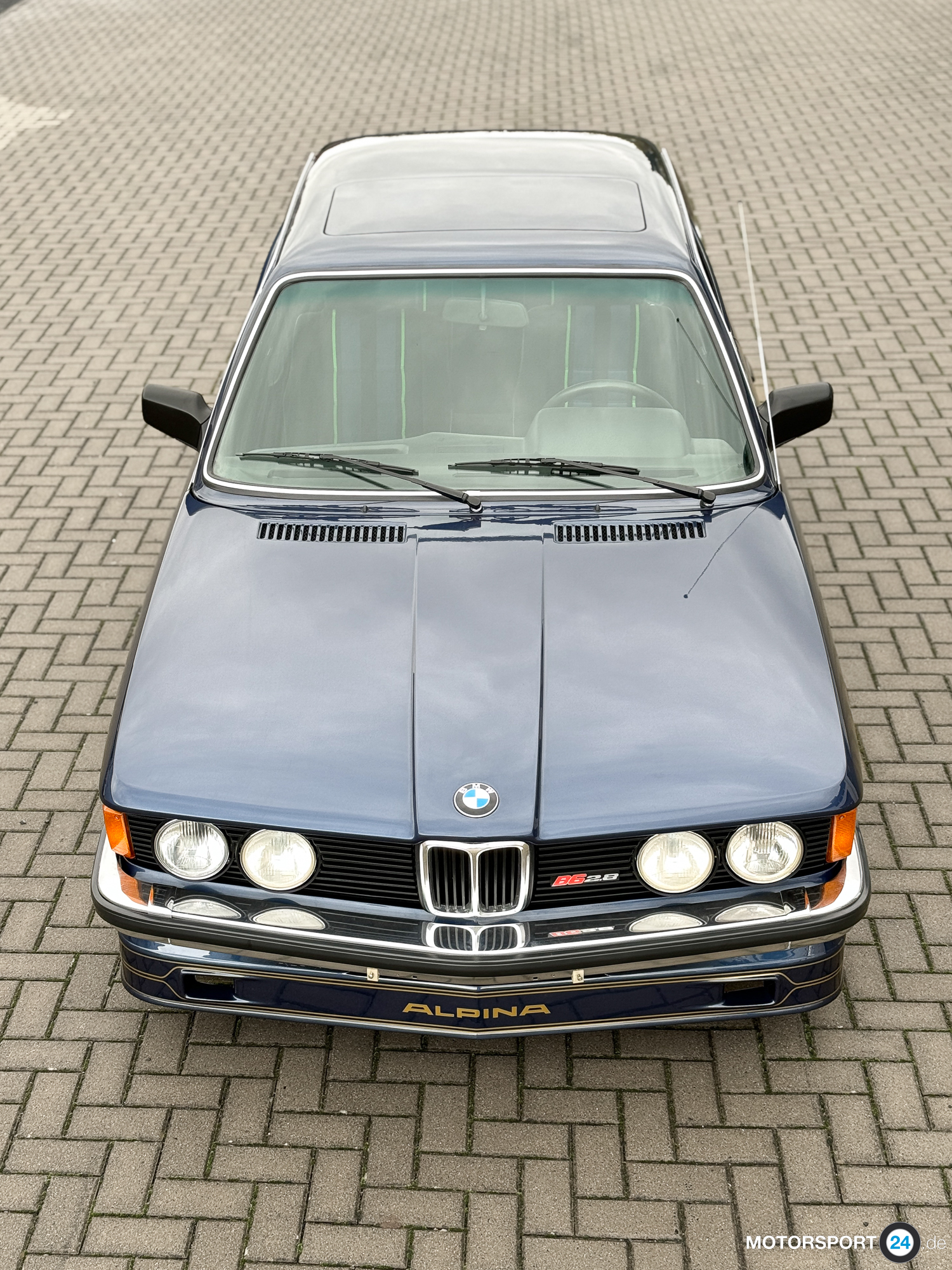
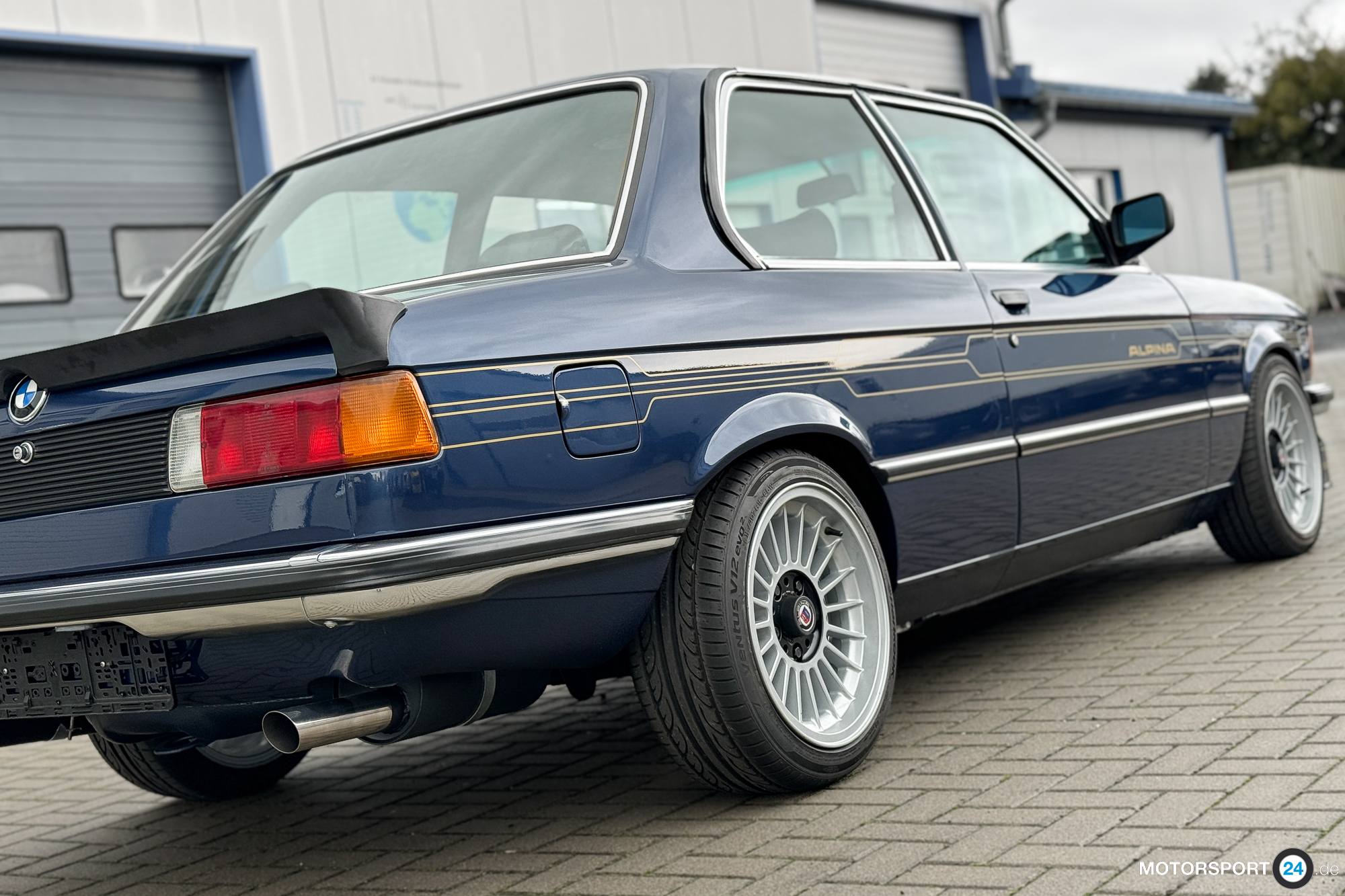
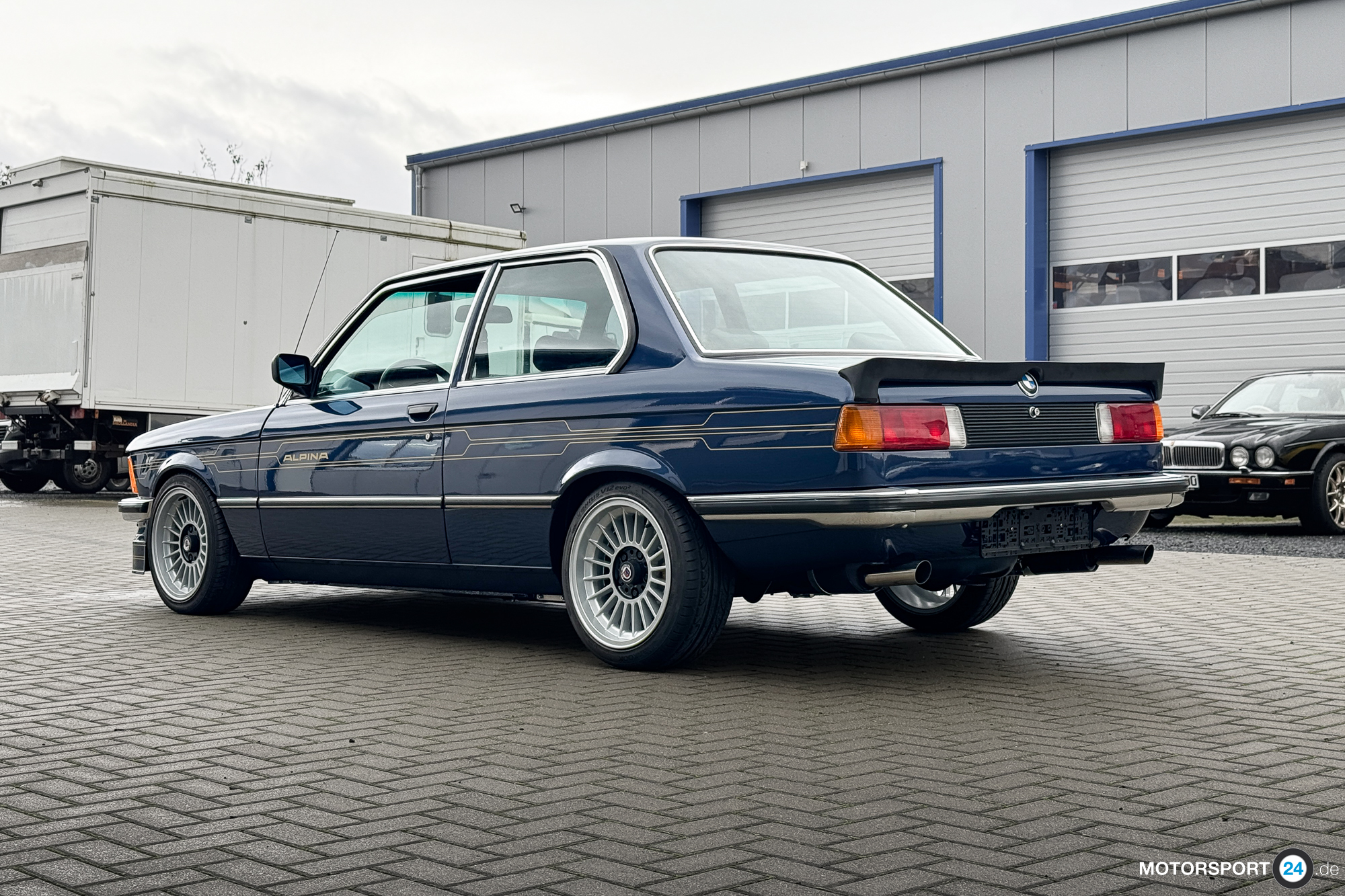
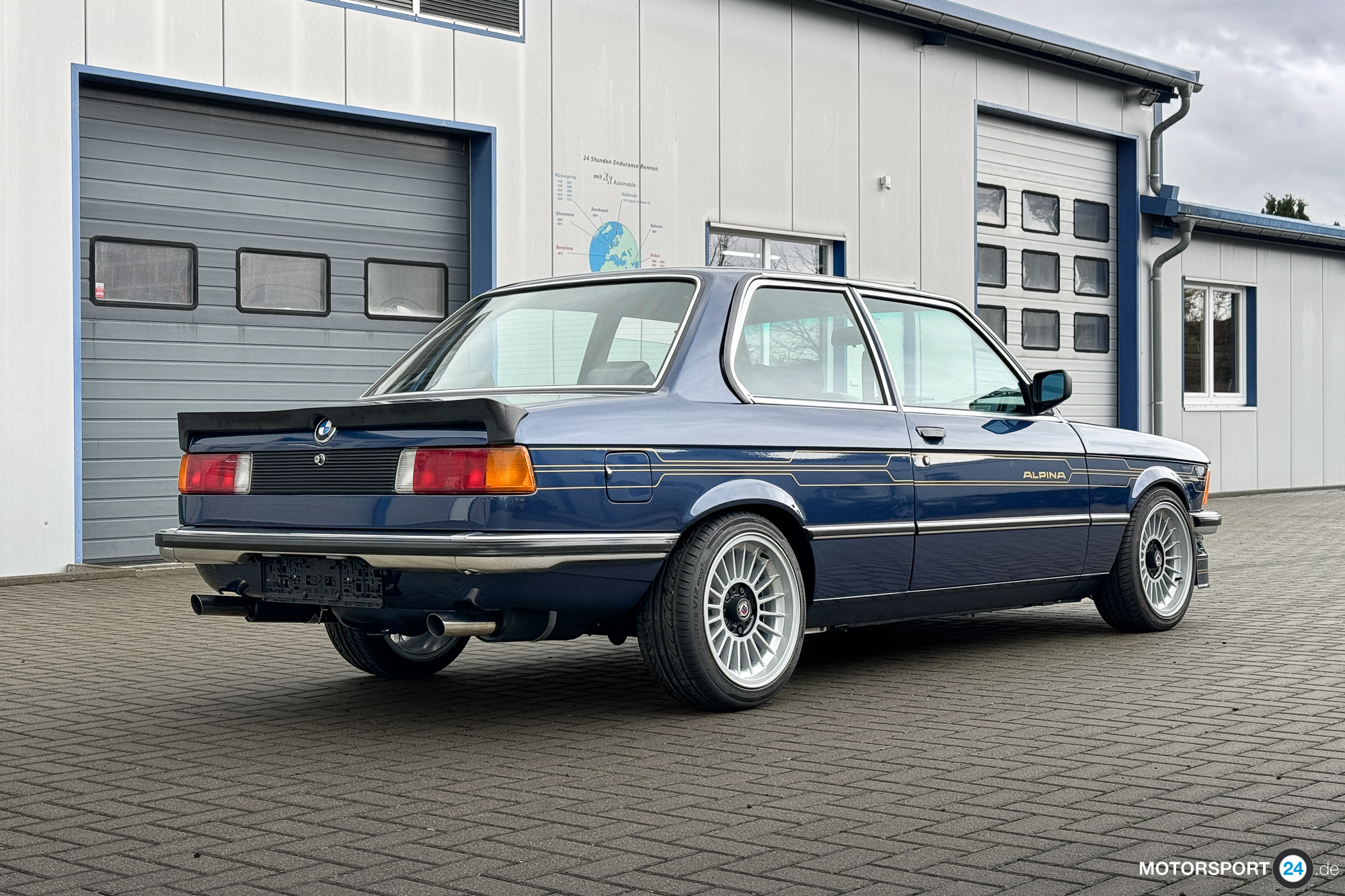
Sources: [1] Alpina Archive (Car Profile B6 2.8), [2] auto-data.net (data sheet), [3] auto motor und sport (road test “Der erste 200-PS-3er”), [4] ultimatespecs.com (gearbox/axle data, singly sourced), [5] MOTORSPORT24: documentation of the E21 full restoration. Photos: MOTORSPORT24 — Vehicle: rebuild owned by Sven.
Bildnachweise
- Own photograph · MOTORSPORT24