





 Spotlight
 Spotlight




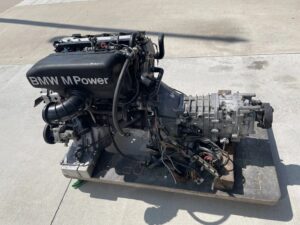





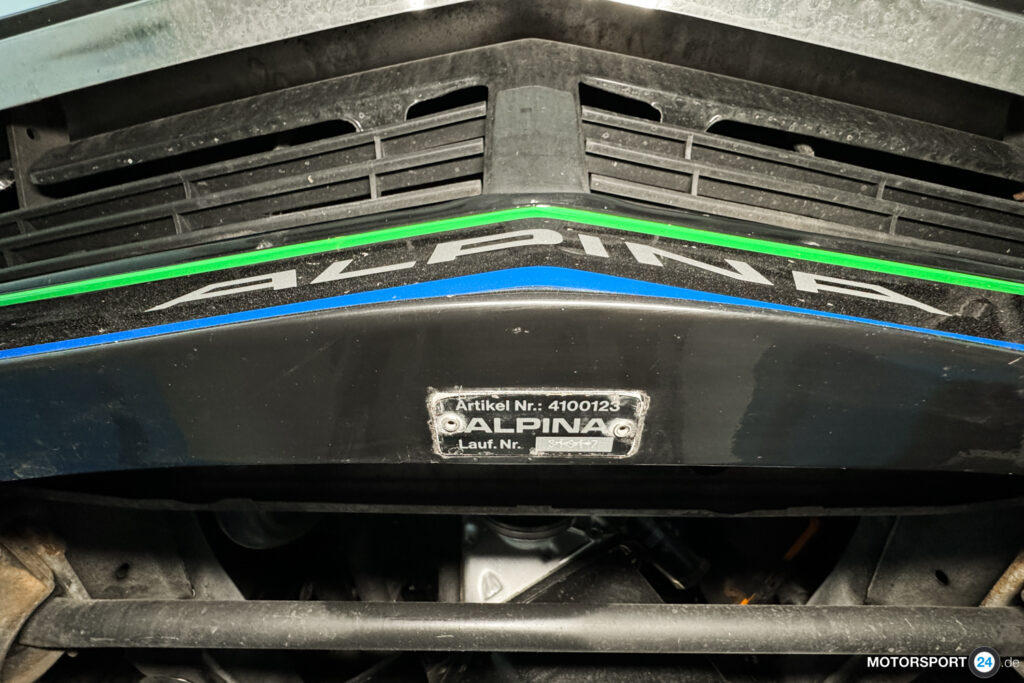
An S14 in race trim is a sight of its own: a fächerkrümmer exhaust manifold instead of the standard exhaust system, a racing oil pan with baffles, mechanically actuated injection above the four-valve head — and a block that carries its number in chalk. This S14B25 in endurance specification was built in the MOTORSPORT24 workshop.
From Sport Evolution to racing engine
The S14 is itself already a product of racing: its block comes from the proven M10 four-cylinder line, its four-valve head with individual throttle bodies follows the recipe of the M88 six-cylinder from the M1 and M5 — developed under Paul Rosche for a single goal, the homologation of the M3 E30 for Group A. From 2.3 litres and 195 to 215 PS in the road versions, the development ultimately culminated in the 2.5-litre unit of the Sport Evolution: 2,467 cm³, 238 PS in road trim (production data: BMW/bmw-m.com). [1]
In race-spec form, dry-sump peripherals, a fächerkrümmer exhaust manifold and a freer tune are added — the ingredients with which the M3 E30 collected titles into the early nineties.

Two stages of tune
| Specification | Output | Application profile |
|---|---|---|
| Endurance racing | 235.36 kW (320 PS) | Durability over distance, tuning suited to 24-hour racing |
| DTM specification 1992 | 250.07 kW (340 PS) | Sprint-oriented tune modelled on the last works season |
Power figures: dynamometer values from the MOTORSPORT24 engine manufactory for the build shown — not historical factory figures.

Endurance racing versus sprint: two philosophies
Why 320 rather than 340 PS? Because in endurance racing, it’s not the fastest lap that wins, but the last one. The endurance specification scales back peak output in favour of durability: a more conservative rev-range and valve-timing setup, an oil system designed for sustained full load, reserves in the pistons and bearings. The sprint-oriented tune modelled on the DTM turns this around — maximum output for short distances, tighter service intervals. Contemporary figures for the pure works engines of the 1992 season cite considerably higher values; however, such engines were built to last only a few hours of racing. Both specifications shown here are documented by the MOTORSPORT24 engine manufactory. [2]
Gallery
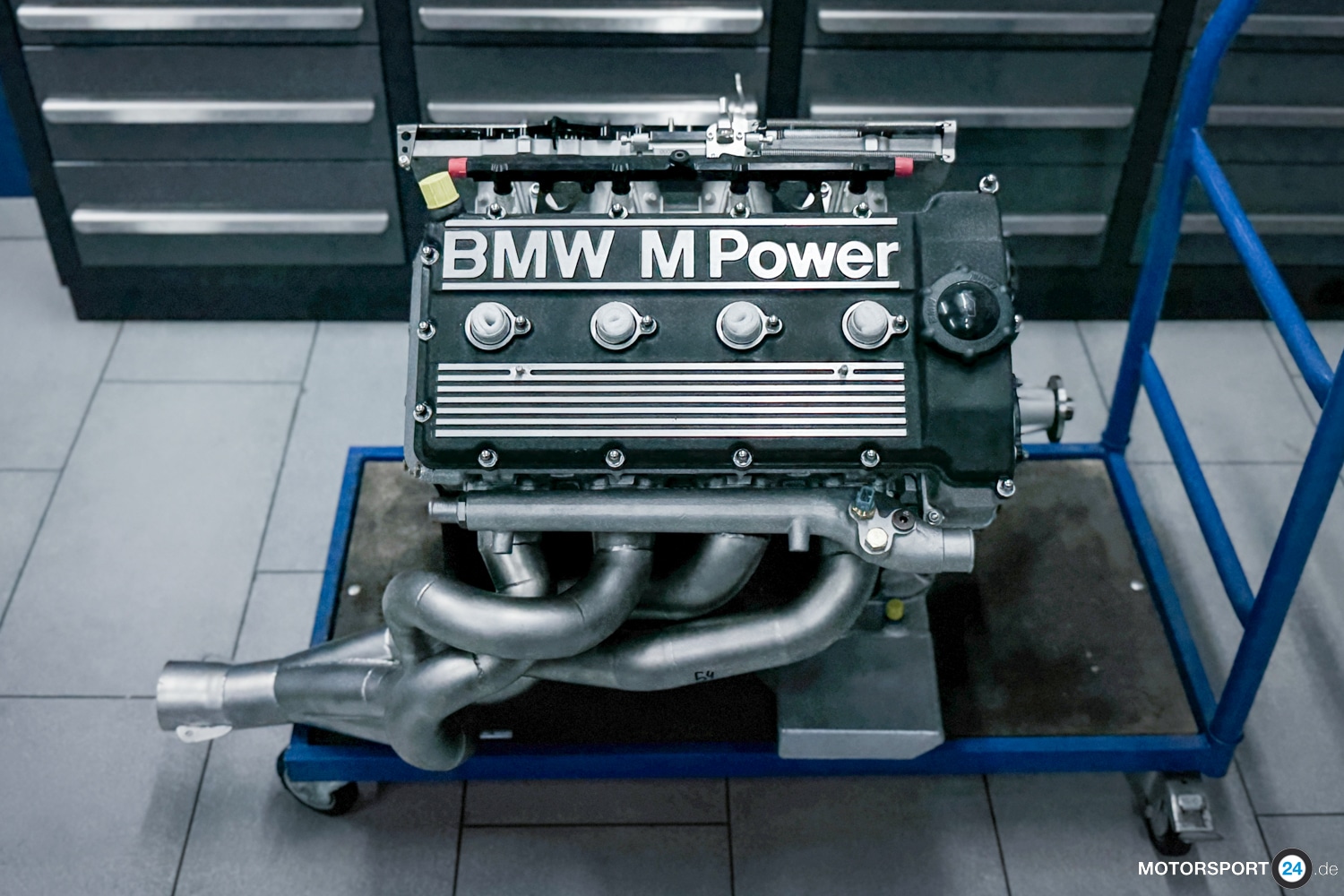
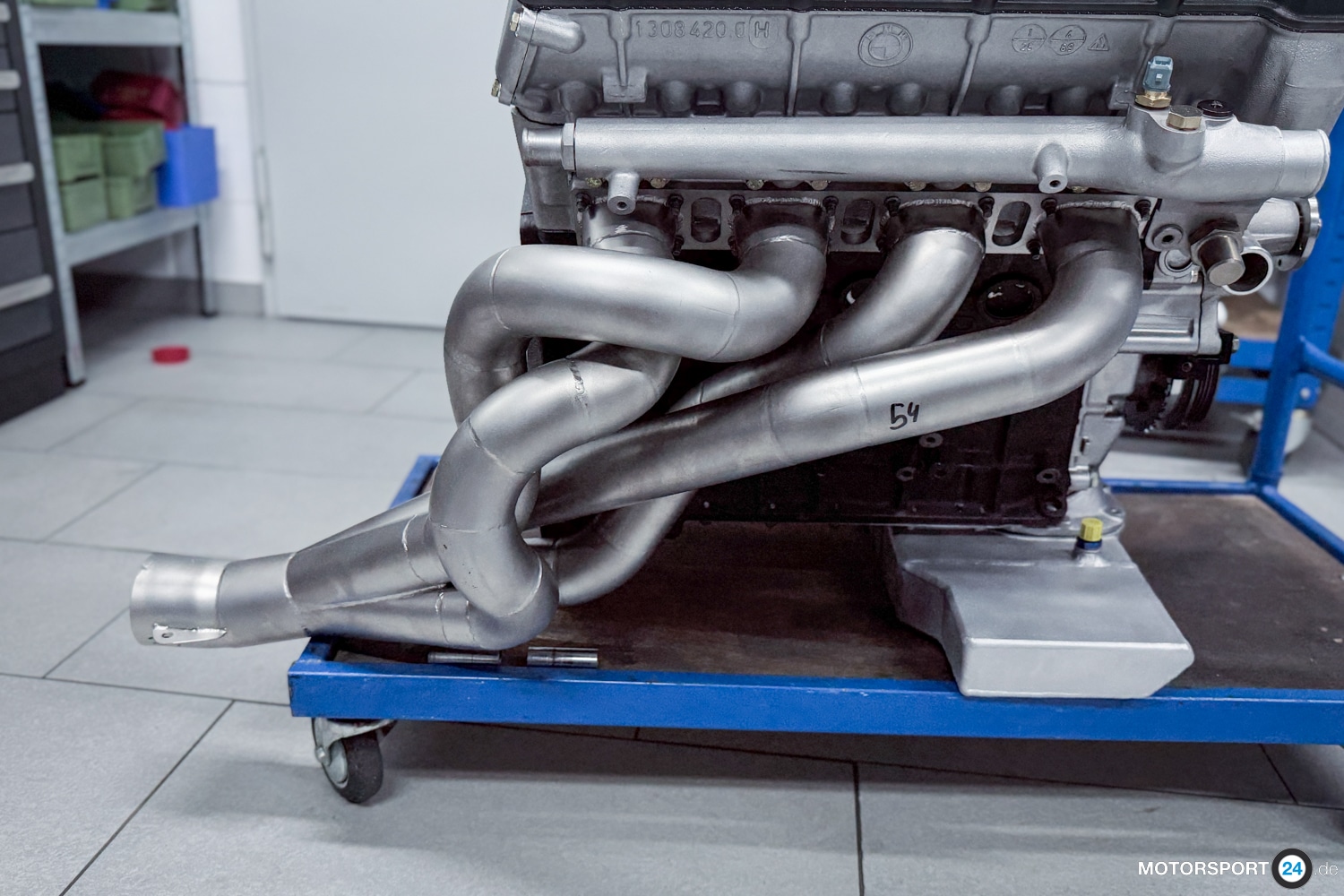
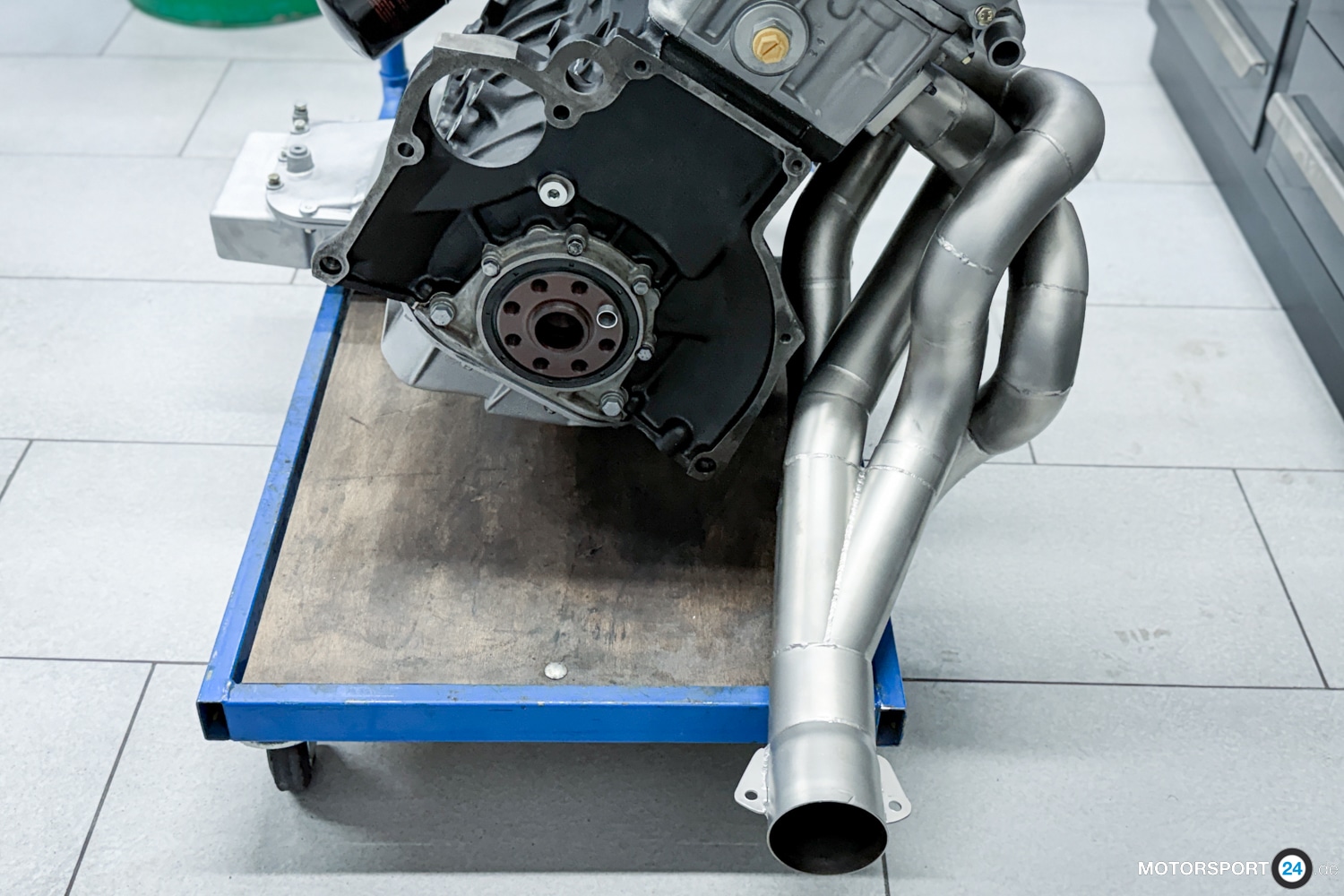
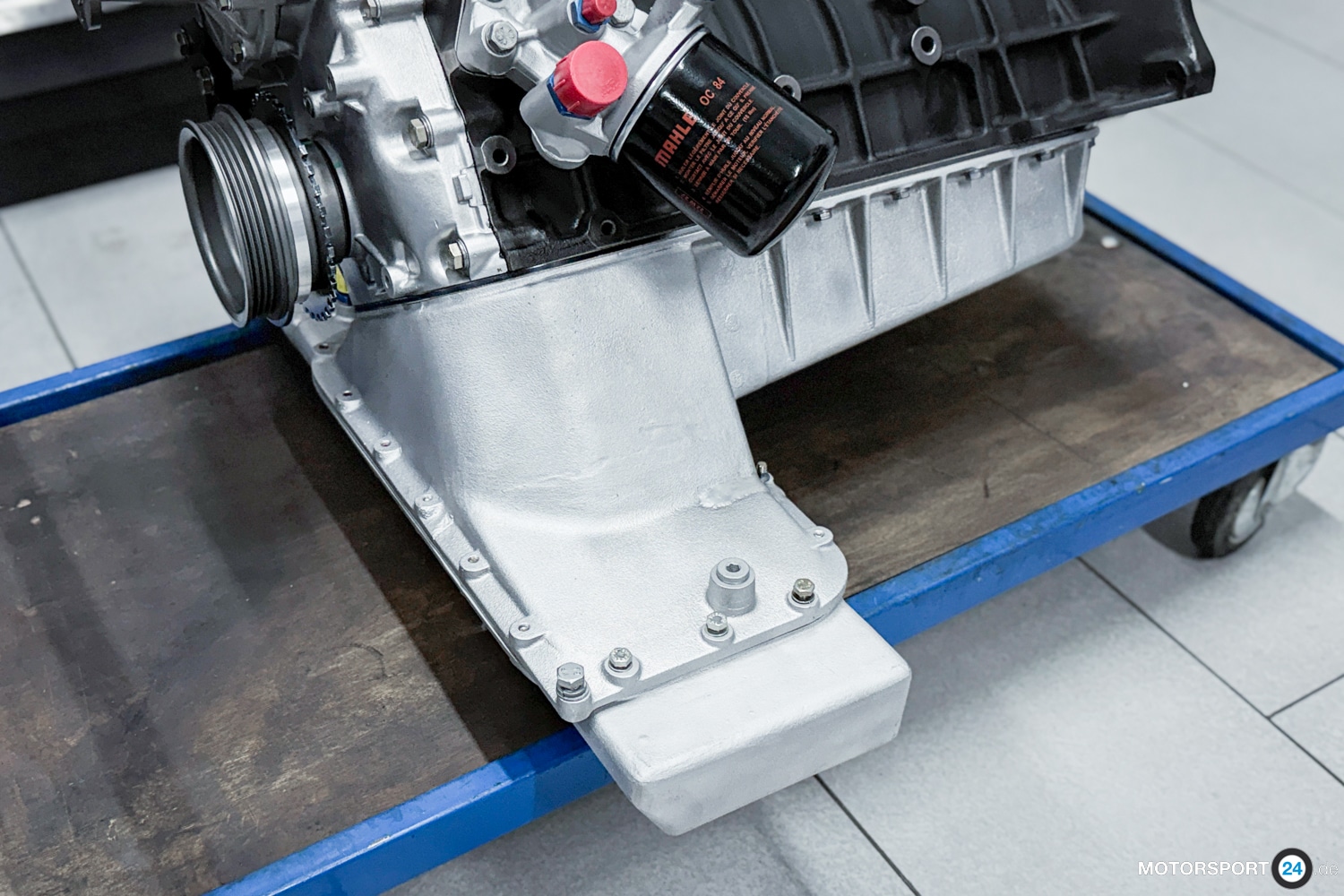
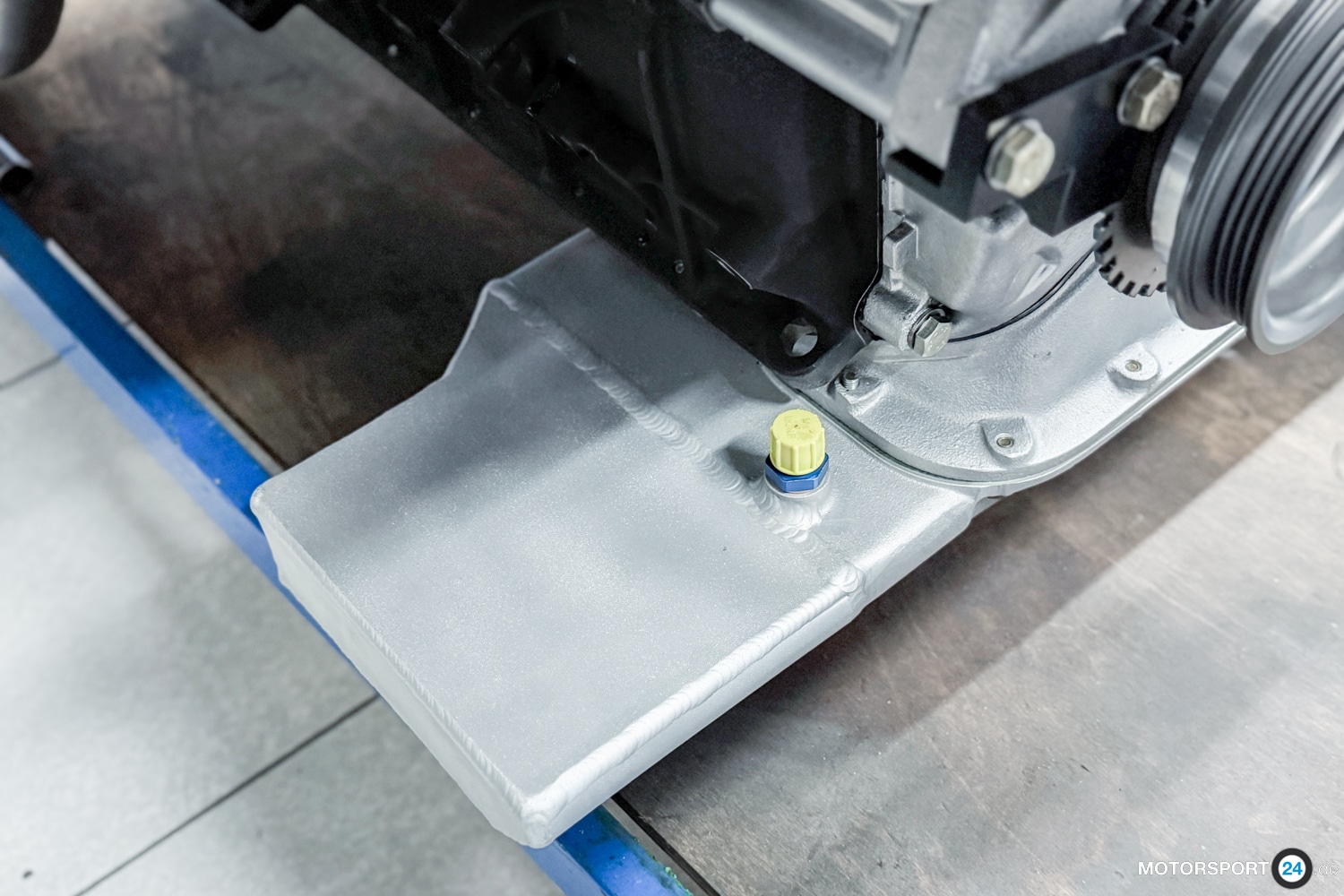
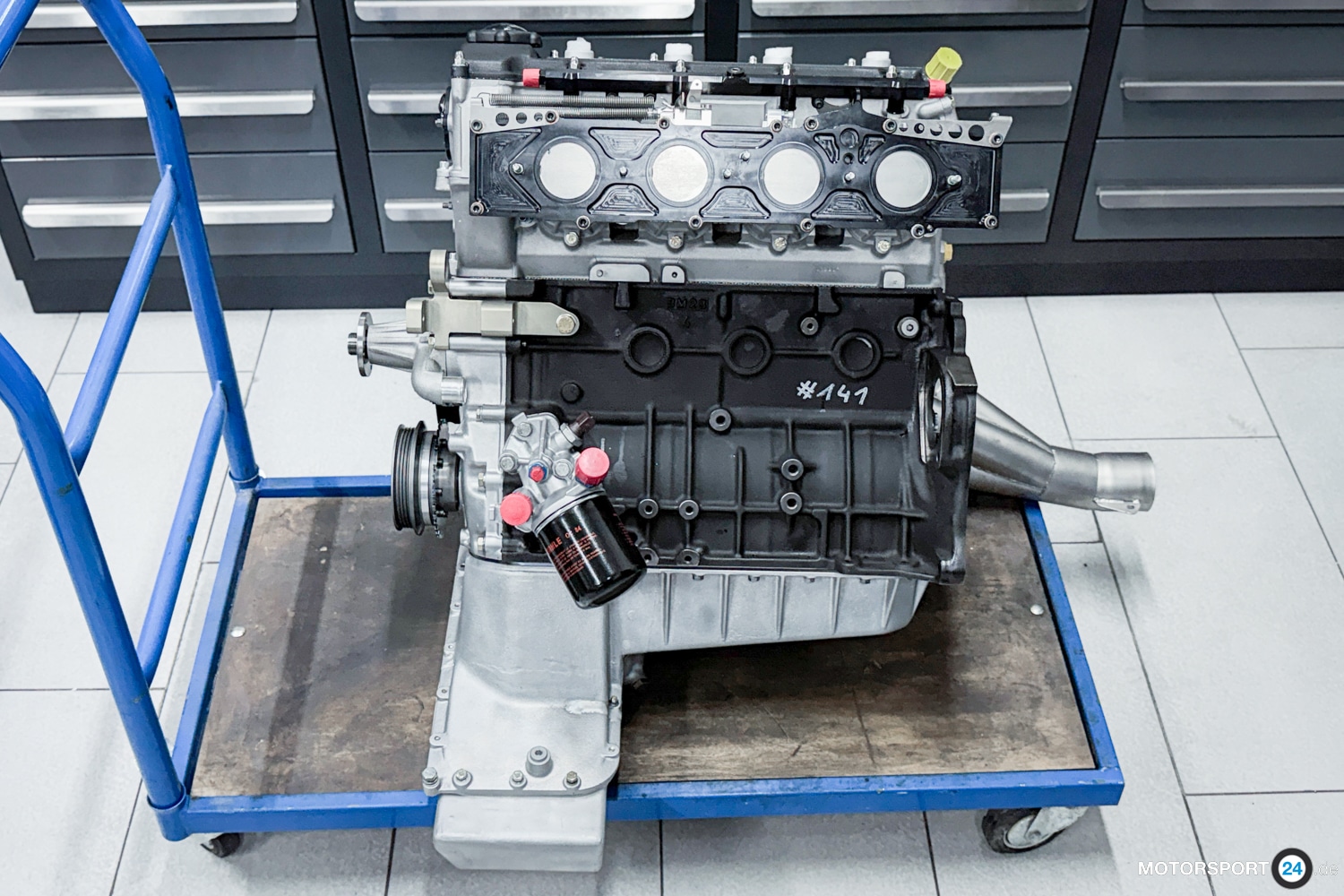
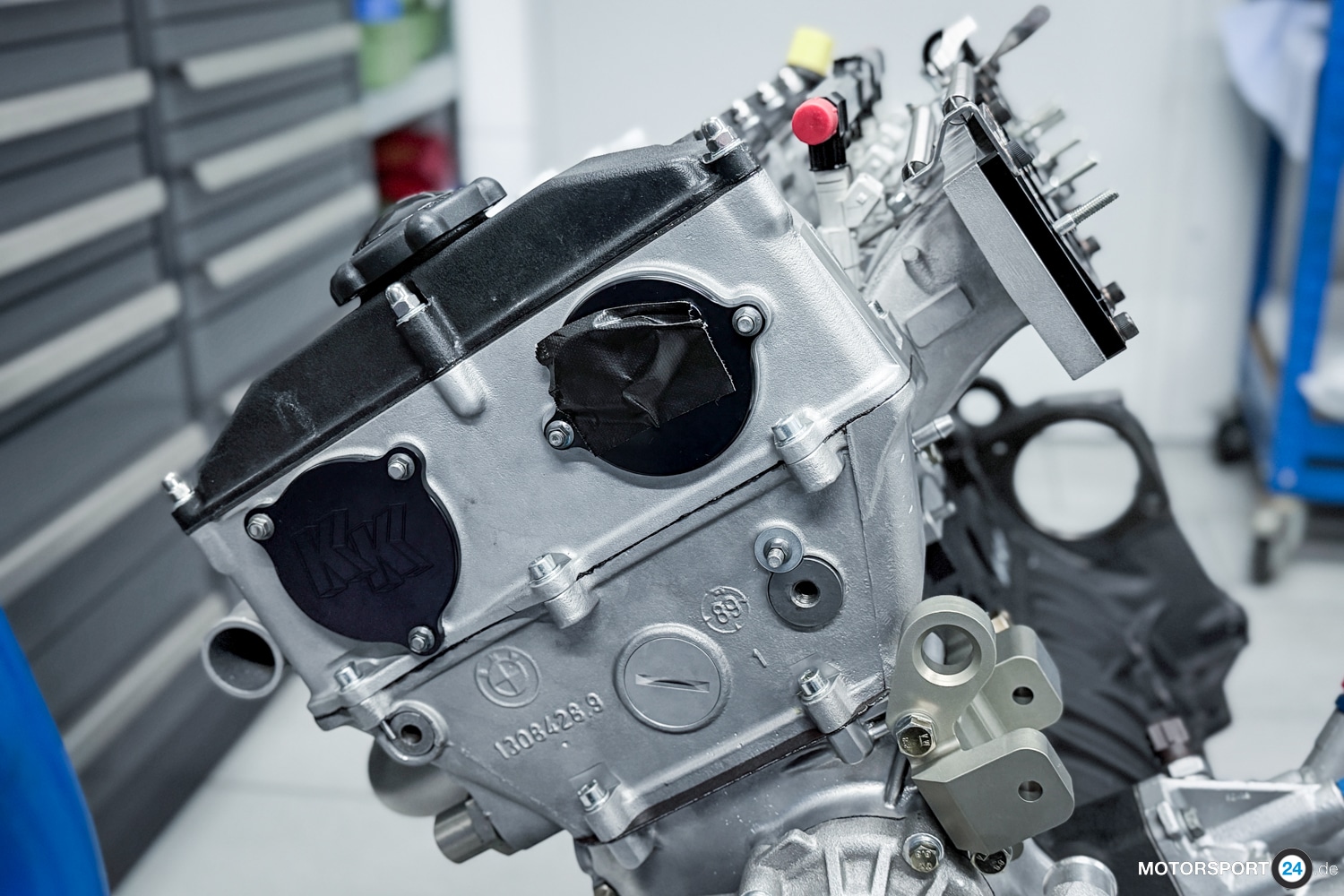
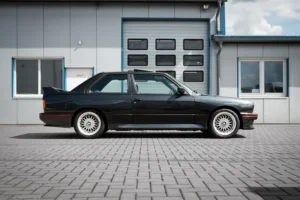
In 1992, the M3 E30 ran its final DTM season — with 2.5-litre engines of this type. That such an engine stands today once again with zero kilometres on the car is part of the same story: the four-cylinder this page is named after has never really retired. Where it began is shown in our chapter on the BMW 320 Group 5, in which BMW tested the four-valve four-cylinder recipe under real racing conditions.
Sources: [1] bmw-m.com, BMW Group PressClub (production data S14). [2] Historical classification DTM 1992: contemporary literature references, inconsistent in detail. Build, dynamometer values and photos: MOTORSPORT24.
Bildnachweise
- Own photograph · MOTORSPORT24