

01 · Überblick
One car instead of two
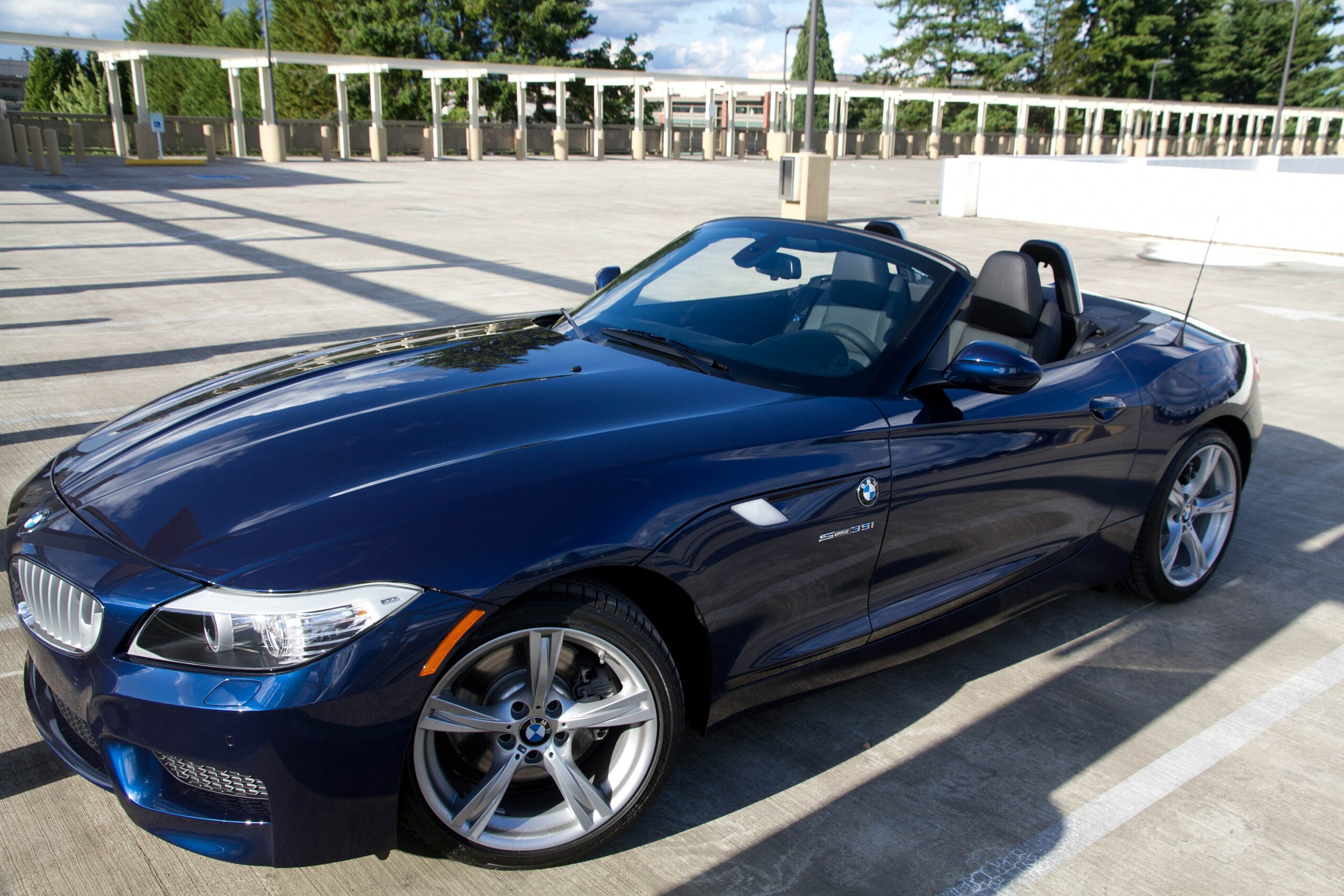
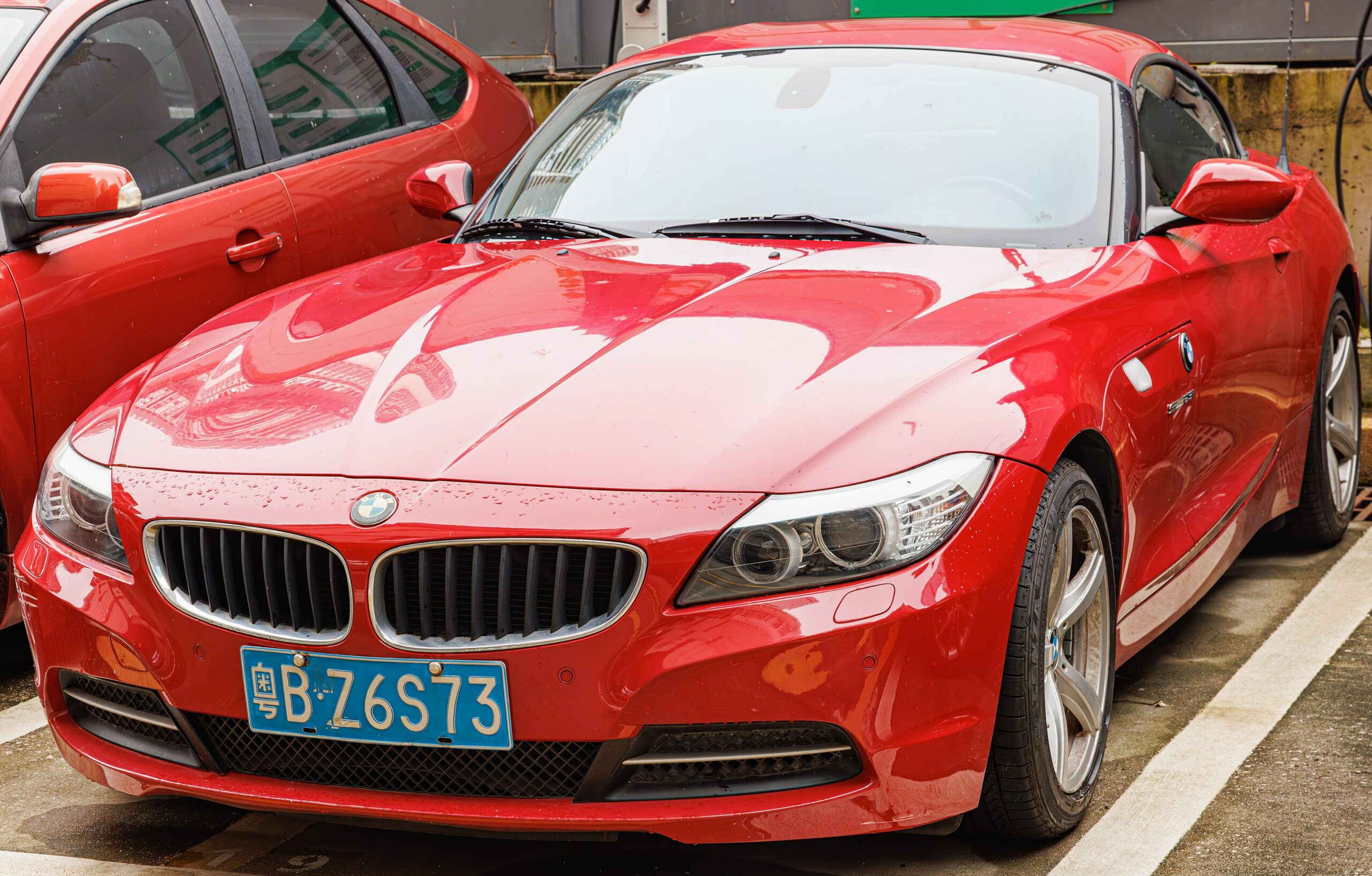
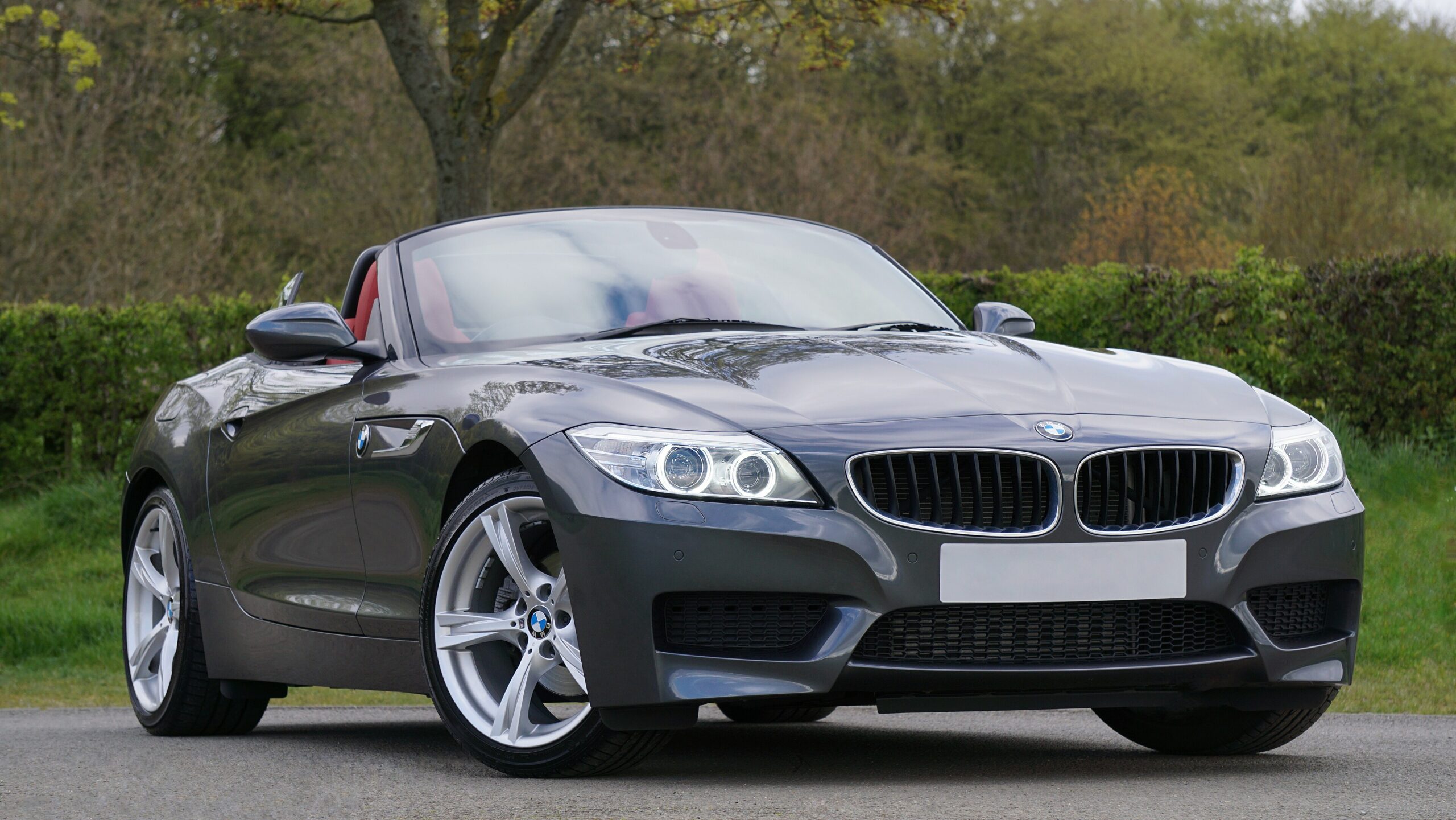
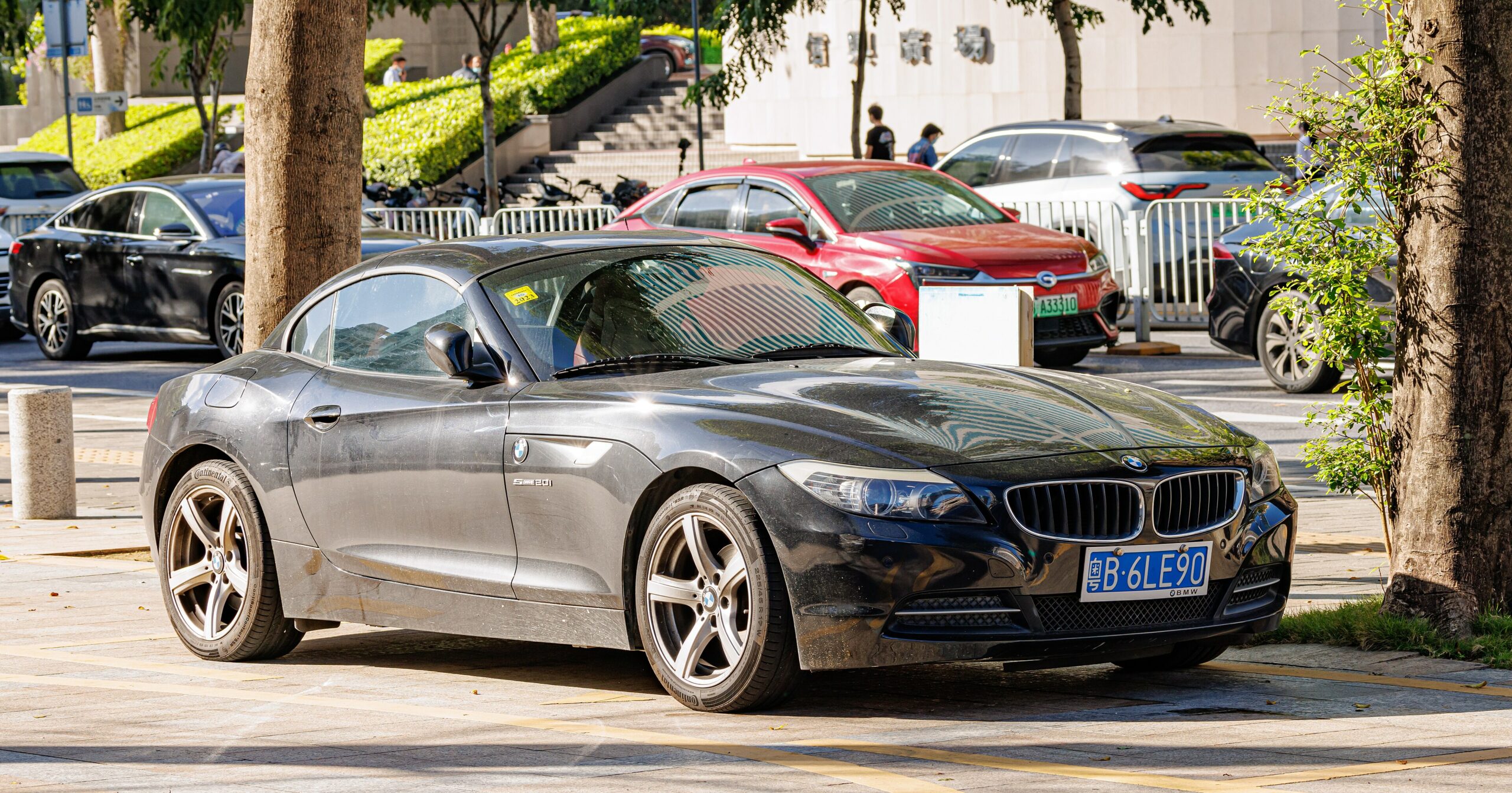
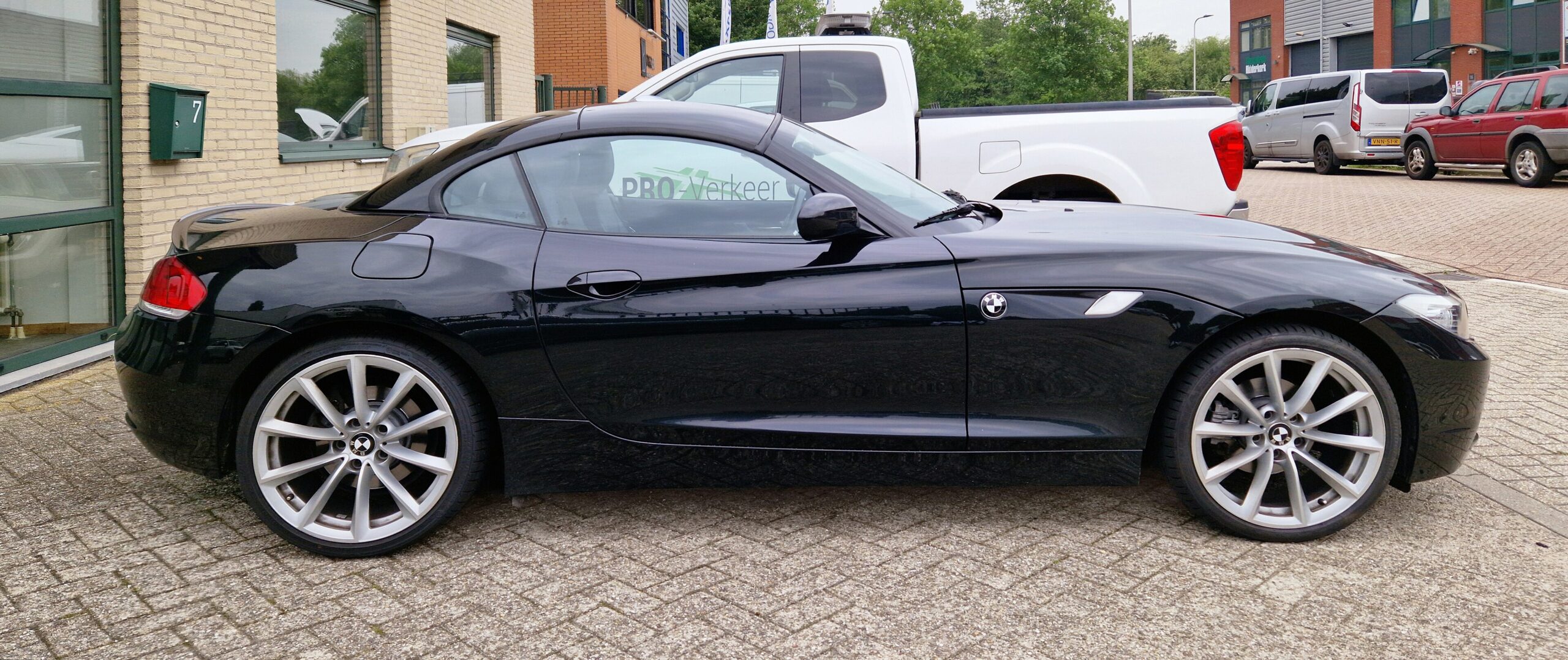
The second Z4 generation did something the predecessor could not: it replaced roadster and coupé with a single body. This was made possible by a two-piece, electrohydraulically retractable hardtop in lightweight aluminium shell construction, which opens and closes fully automatically in 20 seconds. With the roof open, 180 litres of boot space remain, and 310 with it closed.
The E89 was presented on 13 December 2008, and was first shown publicly at the NAIAS 2009; worldwide sales began on 9 May 2009. The design comes from Juliane Blasi, while Nadya Arnaout designed the interior.
Production also changed: the E85 was still built at BMW US Manufacturing Company in Greer, South Carolina. The E89 was built at the BMW Plant Regensburg. Production ended on 22 August 2016 after 116,045 units.
There was no M model in this generation. The top model was the sDrive35is with 340 PS. And as after the E85, a gap followed: the successor G29 did not arrive until 2018.
02 · Historie
Seven years of the Z4
From the 2008 premiere to the last car from Regensburg.
- 2008 Presentation on 13 December. The car replaces the roadster and coupé of the E85 with a single body featuring a folding hardtop.
- 2009 Public premiere at the NAIAS. Worldwide sales launch on 9 May. Awards: red dot design award, IDEA and Eyes on Design Award.
- 2010 In March, the sDrive35is arrives as the top model with 340 PS and 450 Nm.
- 2011 In autumn, two four-cylinder engines with twin-scroll turbocharger replace the two six-cylinders: the sDrive23i and sDrive30i become the sDrive20i and sDrive28i.
- 2012 From March, the roof can also be opened and closed while driving at up to 40 km/h. No reinforced roof hydraulics were fitted for this. At the Concorso d Eleganza Villa d Este, BMW shows the Zagato Coupé based on the Z4.
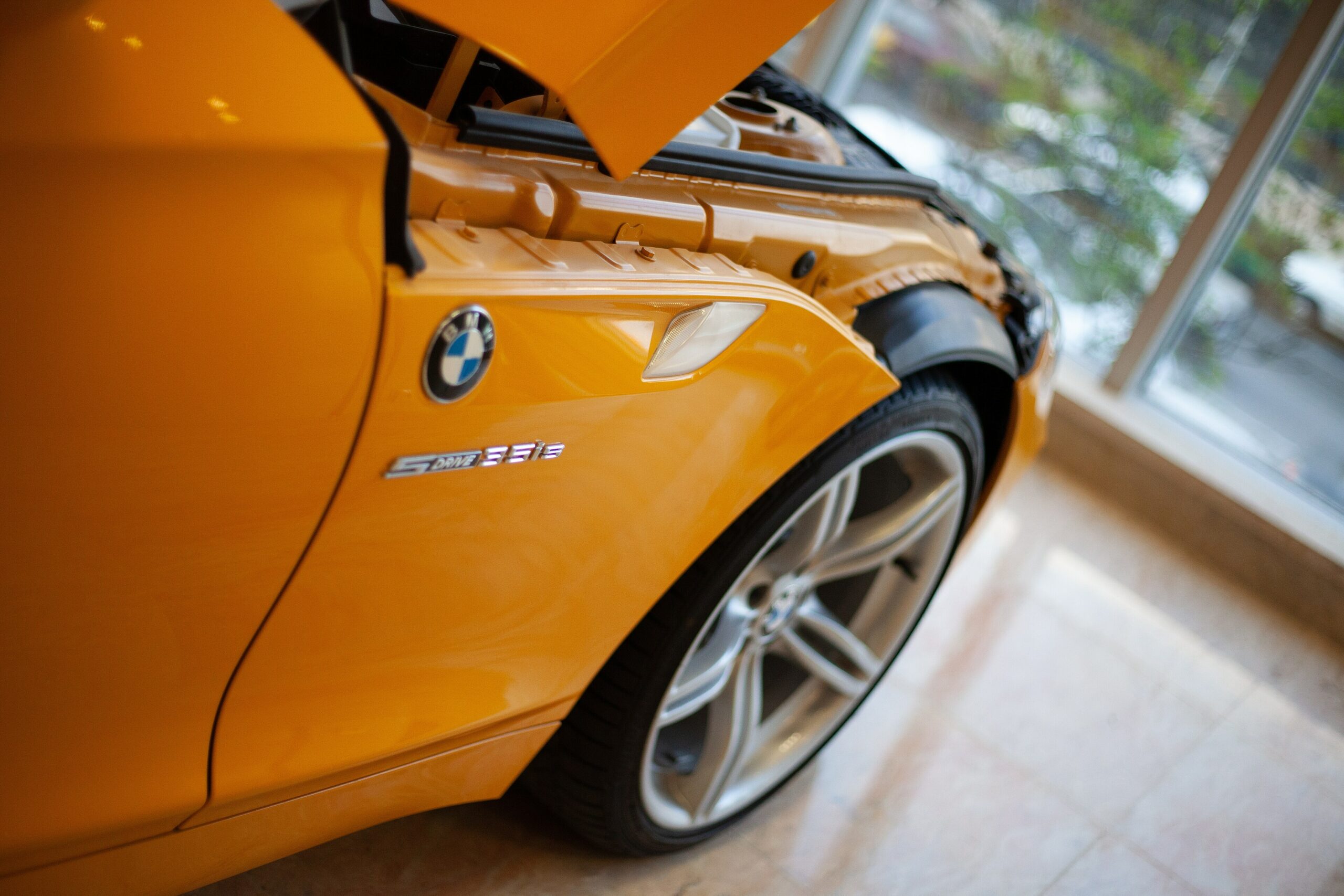
- 2013 In March, slightly revised headlights with LED strip, plus the Valencia Orange metallic paint finish. The sDrive18i arrives as the new entry-level model.
- 2016 End of production on 22 August after 116,045 cars. The successor G29 did not appear until 2018 — in between, BMW offered no roadster.
03 · Modellübersicht
The engine variants
Seven variants, no M model. Values in brackets apply, according to the source, to the automatic transmission. From autumn 2011, turbocharged four-cylinder engines replaced the naturally aspirated six-cylinders.
Quelle: Werks- und Literaturangaben · geprüft
Technische Daten anzeigen — komplette Modellmatrix
| Modell | Motor | Hubraum | Leistung | Bauzeit |
|---|---|---|---|---|
| sDrive18i | N20B20 | 1.997 cm³ | 156 PS (115 kW) | 03/2013–08/2016 |
| sDrive20i | N20B20 | 1.997 cm³ | 184 PS (135 kW) | 09/2011–08/2016 |
| sDrive23i | N52B25 | 2.497 cm³ | 204 PS (150 kW) | 05/2009–08/2011 |
| sDrive28i | N20B20 | 1.997 cm³ | 245 PS (180 kW) | 09/2011–08/2016 |
| sDrive30i | N52B30 | 2.996 cm³ | 258 PS (190 kW) | 05/2009–08/2011 |
| sDrive35i | N54B30 | 2.979 cm³ | 306 PS (225 kW) | 05/2009–08/2016 |
| sDrive35is | N54B30 | 2.979 cm³ | 340 PS (250 kW) | 03/2010–08/2016 |
04 · Karosserievarianten
Karosserievarianten
Roadster with folding hardtop

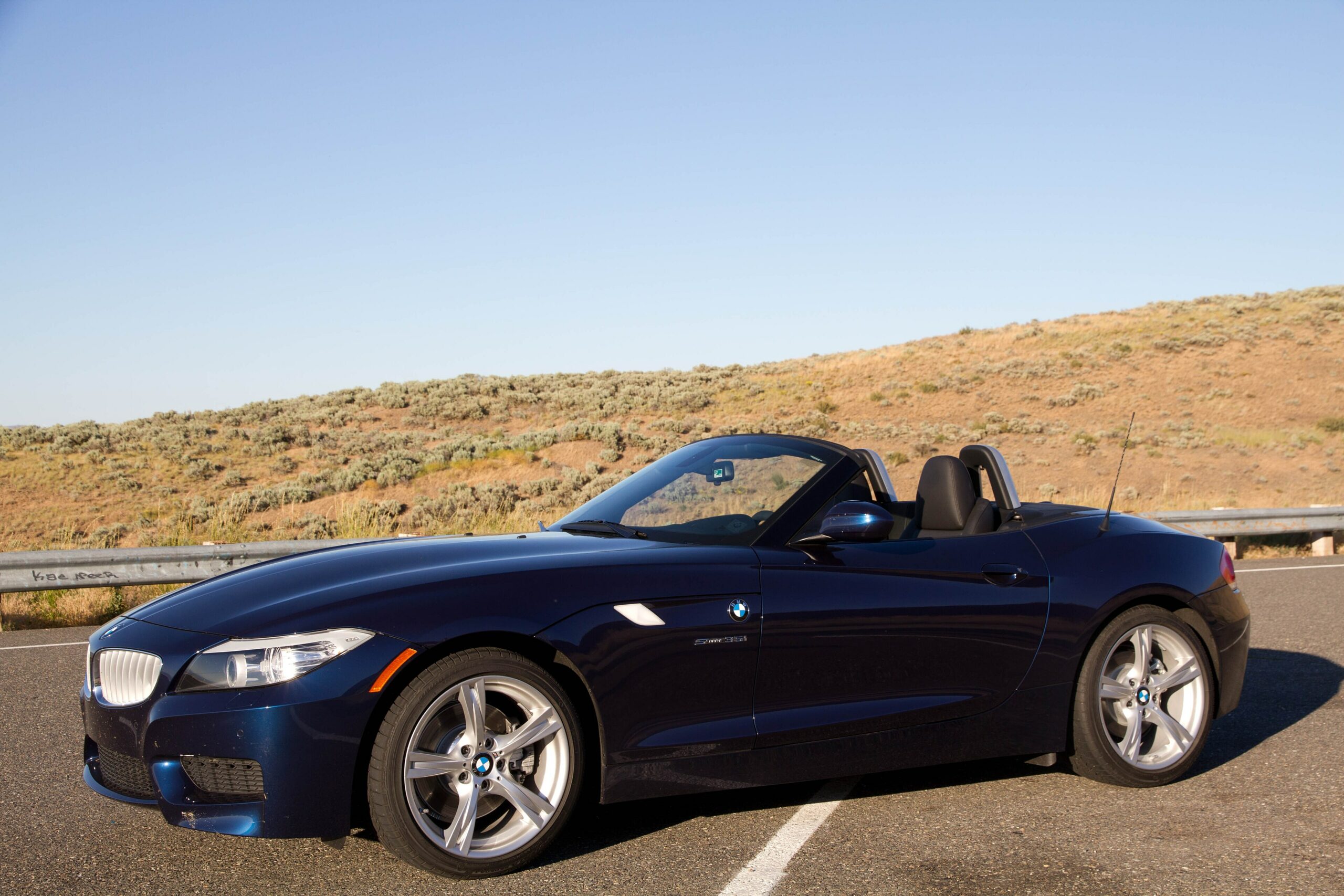
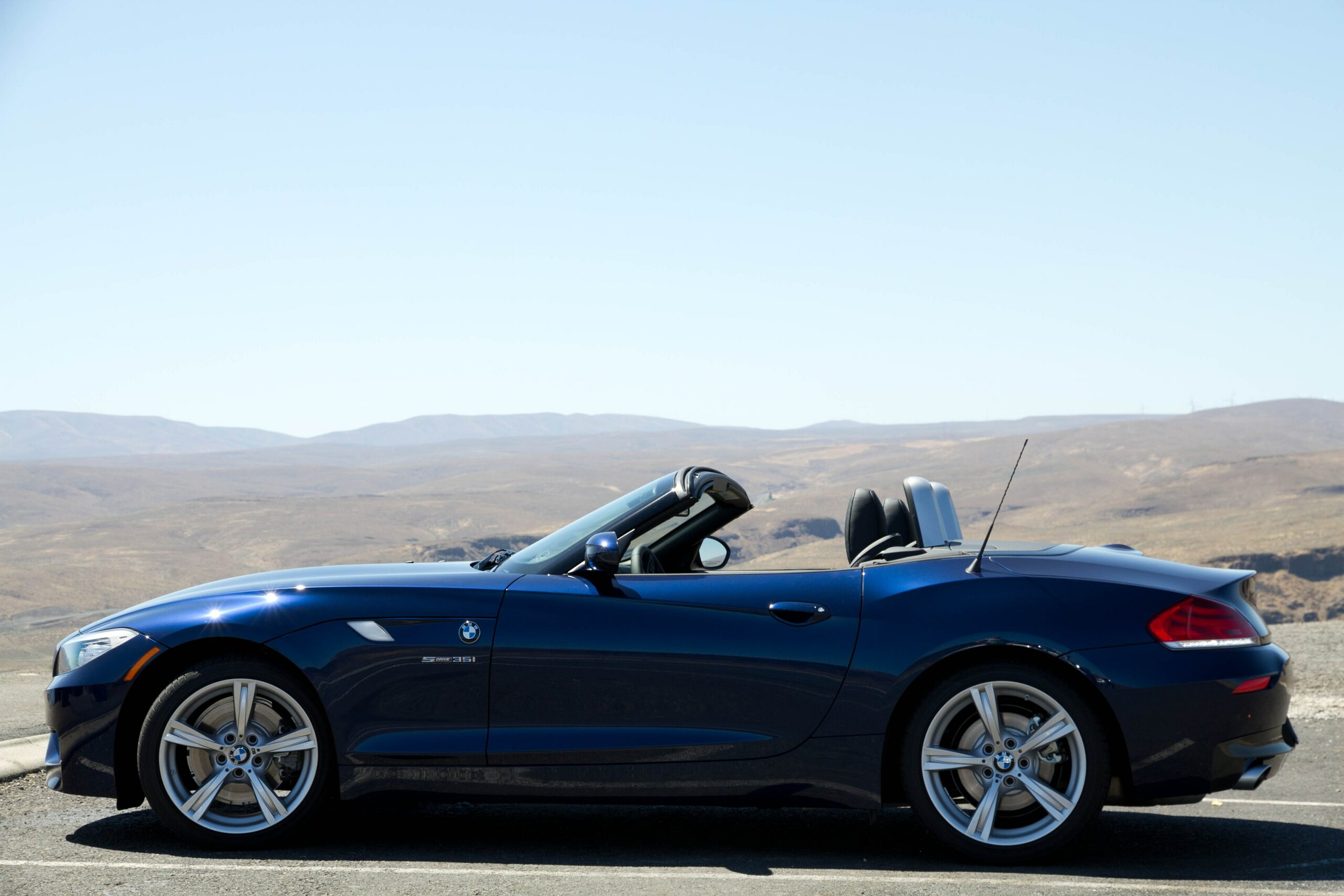
The single body. The two-piece hardtop made of aluminium shells replaces both the roadster's fabric roof and the fixed roof of the E86 coupé in a single component. Boot space is 310 litres with the roof closed, 180 litres with it open.
05 · Motoren
From the N20 to the N54
The E89 documents the shift at BMW: naturally aspirated six-cylinders at launch, turbocharged four-cylinders with more power and lower consumption from autumn 2011.
N54B30 · 2,979 cc · 340 PS — sDrive35is geprüft
The top model from March 2010. 340 PS at 5,900 rpm and 450 Nm between 1,500 and 4,500. Zero to a hundred in 4.8 seconds, kerb weight 1,600 kilograms, consumption 9.1 litres. Available exclusively with the seven-speed dual-clutch transmission.
Technische Daten anzeigen
| Hubraum | 2.979 cm³ |
| Leistung | 250 kW (340 PS) at 5,900/min |
| Drehmoment | 450 Nm at 1,500–4,500/min |
| 0–100 km/h | 4,8 s |
| Getriebe | Siebengang-Doppelkupplungsgetriebe |
| Leergewicht | 1.600 kg |
| Verbrauch | 9,1 l/100 km |
| Bauzeit | 03/2010–08/2016 |
Wikipedia DE data table on the E89 model line
N54B30 · 2,979 cc · 306 PS — sDrive35i geprüft
The turbocharged six-cylinder, in the lineup from the start to the end of production. 306 PS at 5,800 rpm, 400 Nm between 1,300 and 5,000. Standard with the seven-speed dual-clutch transmission, optionally with a six-speed manual. Zero to a hundred in 5.2 seconds.
Technische Daten anzeigen
| Hubraum | 2.979 cm³ |
| Leistung | 225 kW (306 PS) at 5,800/min |
| Drehmoment | 400 Nm at 1,300–5,000/min |
| 0–100 km/h | 5,2 s |
| Getriebe | Seven-speed DCT, optional six-speed manual |
| Leergewicht | 1.580 kg |
| Bauzeit | 05/2009–08/2016 |
Wikipedia DE data table on the E89 model line
N20B20 · 1,997 cc · 245 PS — sDrive28i geprüft
From autumn 2011, this four-cylinder with twin-scroll turbocharger replaced the six-cylinder sDrive30i — with 245 instead of 258 PS, but 350 instead of 310 Nm, delivered much earlier. Consumption dropped from 8.5 to 6.8 litres. Zero to a hundred in 5.7 seconds.
Technische Daten anzeigen
| Hubraum | 1.997 cm³ |
| Leistung | 180 kW (245 PS) at 5,000–6,000/min |
| Drehmoment | 350 Nm at 1,250–4,800/min |
| 0–100 km/h | 5,7 s |
| Höchstgeschwindigkeit | 250 km/h |
| Verbrauch | 6,8 l/100 km |
| Bauzeit | 09/2011–08/2016 |
Wikipedia DE data table on the E89 model line
N52B30 · 2,996 cc · 258 PS — sDrive30i geprüft
The naturally aspirated six-cylinder of the first series. 258 PS at 6,600 rpm, 310 Nm between 2,600 and 3,000, zero to a hundred in 5.8 seconds. Only ran until August 2011, making it the rarer choice among the naturally aspirated six-cylinders.
Technische Daten anzeigen
| Hubraum | 2.996 cm³ |
| Leistung | 190 kW (258 PS) at 6,600/min |
| Drehmoment | 310 Nm at 2,600–3,000/min |
| 0–100 km/h | 5,8 s |
| Leergewicht | 1.490 kg |
| Bauzeit | 05/2009–08/2011 |
Wikipedia DE data table on the E89 model line
06 · Schwachstellen
Reliability & Weak Points
- The folding hardtop is the most expensive component on the car. Hydraulic pump, lines and micro switches are the typical sources of failure. A roof that stops working or throws error messages is a cost item in the four-figure range.
- With the N54 in the 35i and 35is, the high-pressure pump, injectors and boost pressure control are known issues. The engine is considered powerful but maintenance-intensive.
- The N20 four-cylinder from 2011 has a known issue with the timing chain and chain tensioner, especially in early model years. Rattling on cold start is a warning sign.
- Water drainage channels around the roof housing become clogged. The result is moisture in the boot and in the electrics.
- Rust is not a widespread issue in this generation.
07 · Technik
The folding hardtop
Getriebe
The 2011 engine changeover
Facelift features
No M model
Technische Daten — Achsübersetzungen & Getriebe
- Body
- roadster with two-piece folding hardtop
- Roof operation
- fully automatic in 20 seconds, from 03/2012 up to 40 km/h driving speed
- Boot space
- 310 l closed, 180 l open
- Manufacturing location
- BMW Plant Regensburg
- Units produced
- 116,045
- Standard transmission
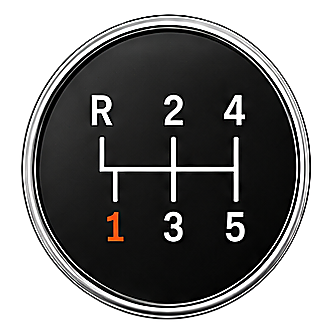
- six-speed manual gearbox
- Optional transmission
- six-speed sport automatic with Steptronic (23i, 30i), seven-speed dual-clutch (35i, 35is)
- Driving Dynamics Control
- standard
- Design
- Juliane Blasi (exterior), Nadya Arnaout (interior)
- Awards
- red dot design award 2009, IDEA 2009, Eyes on Design Award NAIAS 2009
- Predecessor
- E85 and E86 · Successor: G29 (from 2018)
08 · Design
A design that won awards
The E89 is the first BMW roadster whose production design comes from a woman: Juliane Blasi drew the exterior, Nadya Arnaout the interior.
The specialist press reacted noticeably more favourably than with the predecessor. In 2009, the car received the red dot design award, the International Design Excellence Award from the Industrial Designers Society of America, and the Eyes on Design Award as part of the NAIAS. The magazine sport auto voted the sDrive23i the sportiest convertible up to 40,000 euros.

09 · Kaufberatung
What matters: the roof
The E89 is today an affordable roadster with one expensive component. Everything else is secondary to the question of whether the roof works flawlessly.
Open and close the roof fully several times, including with the engine running. Watch for smooth movement, clean latching and the absence of error messages.
Check the water drainage channels and inspect the boot and footwells for moisture.
With the N20, wait for the cold start and listen for chain rattle. Ask for proof of chain replacement.
With the N54, review the history regarding the high-pressure pump and injectors.
Choose the engine deliberately: anyone wanting a naturally aspirated engine needs a 23i or 30i from the 2009 to 2011 model years.
An sDrive30i with an intact roof is the more relaxed purchase than an sDrive35is with an unclear engine history. With the E89, it is the technology that decides, not the power output.
10 · Die Konkurrenz
The competition
Mercedes-Benz SLK (R172)
From 2011, also with a folding roof. The body style that Mercedes had already introduced in 1996 and which BMW followed here.
Porsche Boxster (981)
From 2012, mid-engine and fabric roof. Dynamically superior, but without the everyday usability of a fixed roof.
Audi TT Roadster (8J)
Positioned lower in price, with a fabric roof and front-wheel drive or quattro. The pragmatic counter-design.
11 · Galerie
Bilder
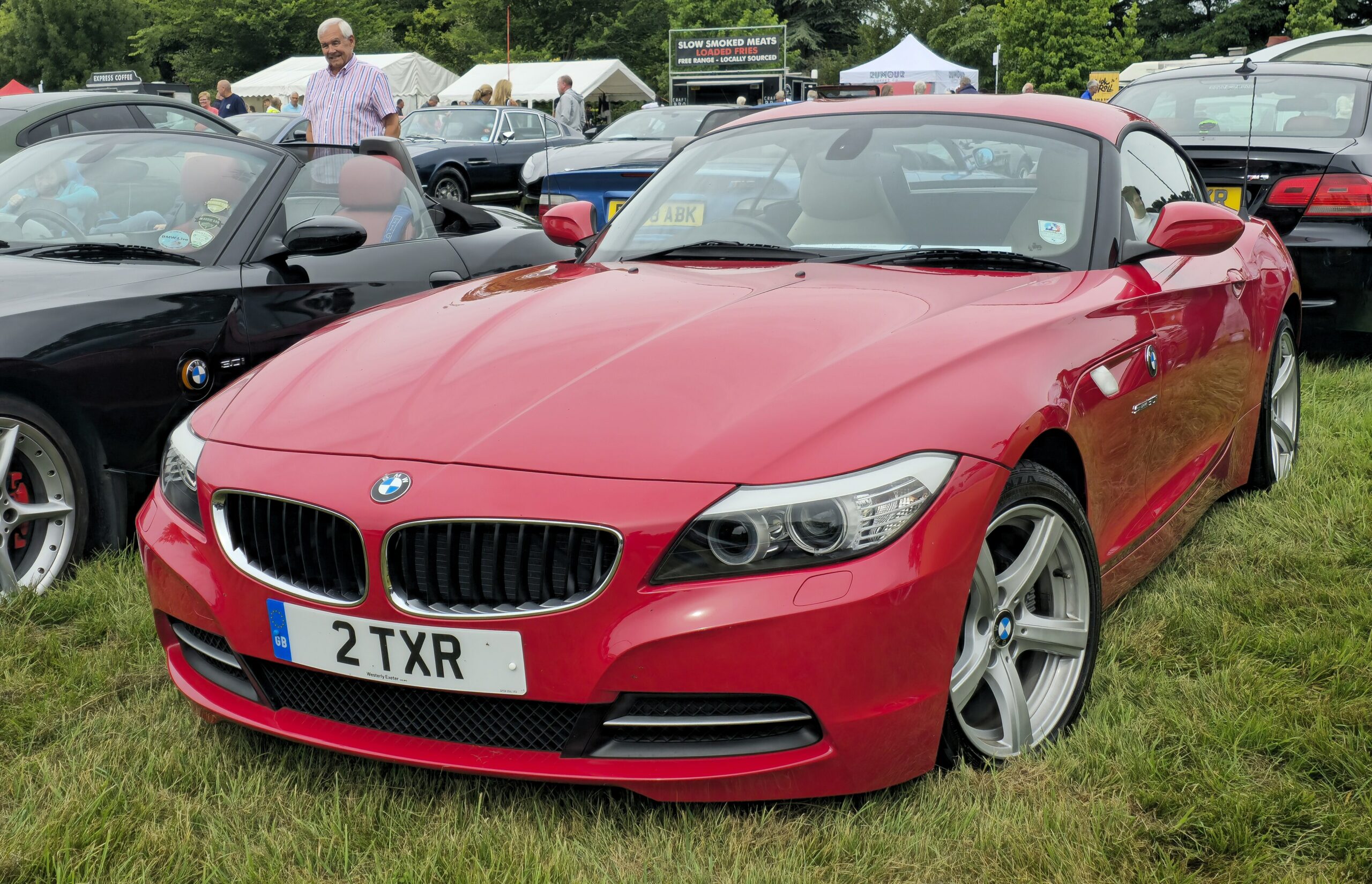
Open and closed — the two faces of the same body.
12 · Quellen
Belege & Literatur
The leading source for production periods, engine codes, unit numbers and performance figures is the German-language Wikipedia entry on the E89 model line. Image sources and licences are from Wikimedia Commons.